Electric-Car Donation in Brooklyn: High-Voltage Safety
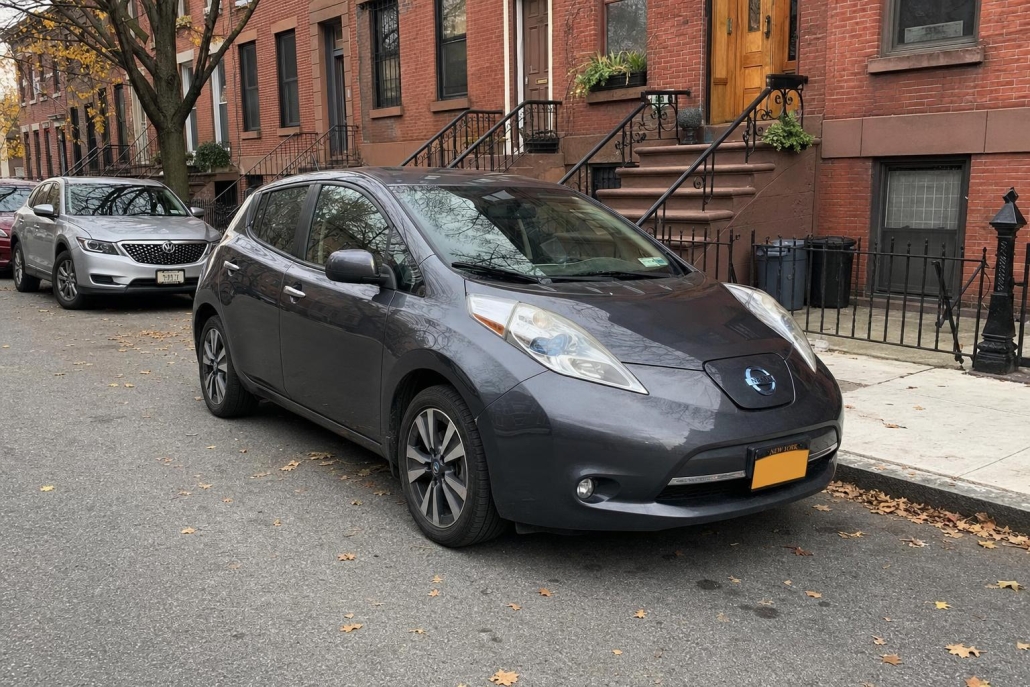
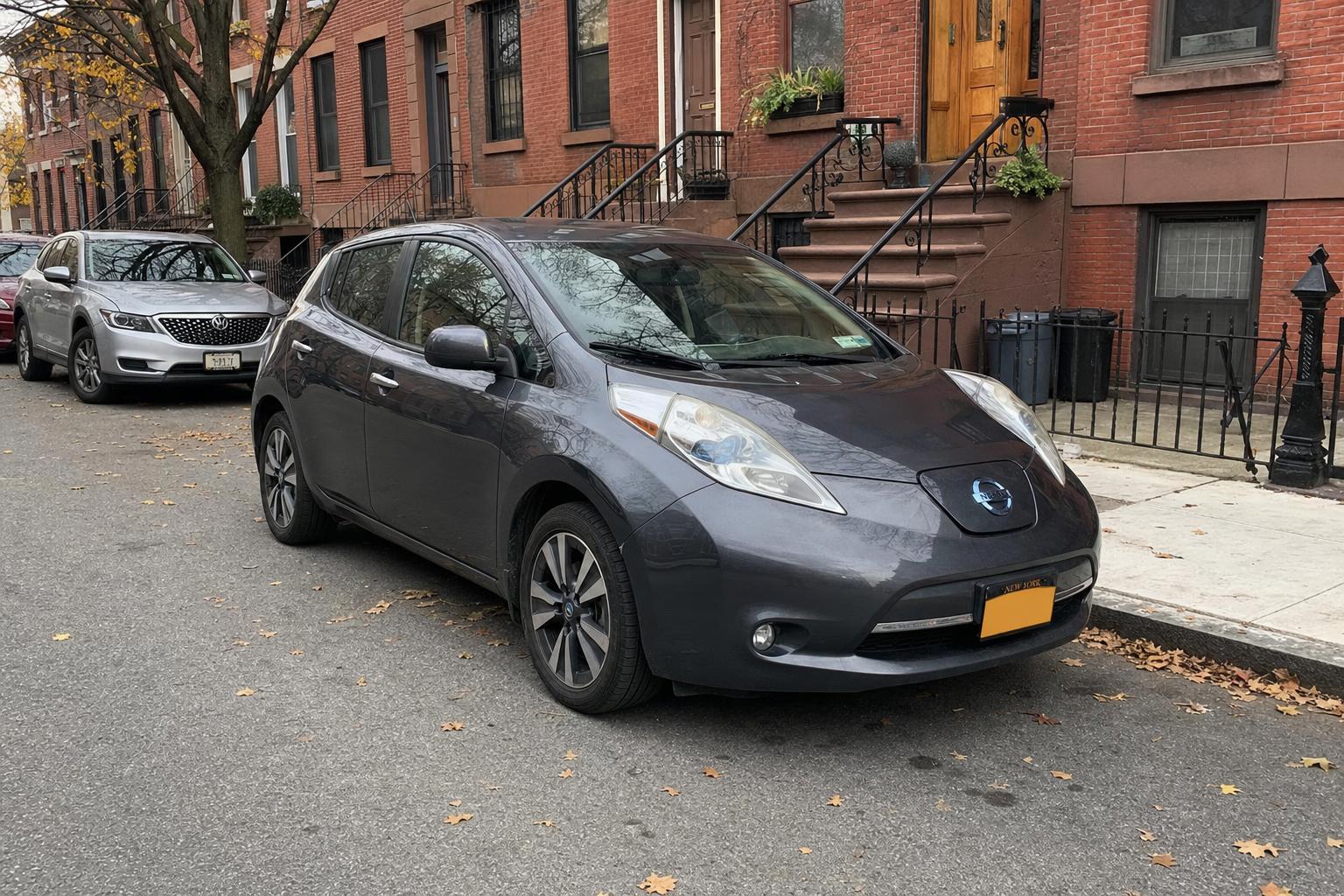
Before an electric-car donation, leave high-voltage components untouched and tell us about any collision, flooding, battery warnings or known damage before discussing a handoff. Call us to ask whether your specific EV and its current condition are suitable for donation. If the vehicle shows signs of a battery emergency, call 911 first, not our donation line.
We arrange pickup of your vehicle at zero cost to you through our brooklyn car donation program. For an electric vehicle, start the conversation with its year, make, model and condition rather than attempting electrical preparation yourself.
Recognize high-voltage components without touching them
An EV’s traction battery is different from its low-voltage accessory battery. Its electrical system also includes components such as the motor, power inverter and DC-DC converter. The traction battery requires trained service personnel and specialized equipment. See NHTSA’s electric-vehicle component and safety guidance.
High-voltage cables are typically orange. Treat that color and high-voltage warning labels as signals to keep your hands and tools away, not invitations to inspect connections. Tesla’s Model 3 battery safety instructions prohibit opening or tampering with the battery and removing, replacing or disassembling high-voltage components, cables or connectors.
Know when to stop donation preparations
Warning signs around a damaged battery can include smoke, sparks, flames, unusual heat, leaking fluids, or gurgling, popping and hissing sounds. Damage can cause a fire immediately or later. Do not approach to investigate these signs. Move away, keep others clear and call 911, identifying the vehicle as electric. NHTSA’s damaged-EV guidance explains these hazards and emergency precautions.
Flood exposure also needs attention even when there is no visible fire. If you suspect battery damage after flooding, contact your dealer and/or emergency services. Do not park a damaged lithium-ion vehicle in a garage or within 50 feet of structures, vehicles or combustible materials. In a tight Brooklyn parking area, seek professional direction rather than trying to reposition a damaged EV yourself. Read NHTSA’s flood and damaged-battery precautions.
Do not attempt DIY disconnection
Donation preparation is not a reason to pull a service disconnect, cut a cable, open the battery enclosure or attempt an electrical repair. After damage, treat the high-voltage battery and associated components as energized. An authorized service center or manufacturer representative should address damaged-vehicle service needs, as outlined in NHTSA’s vehicle-owner precautions.
For model-specific battery care and transport instructions, use the owner’s manual for your exact vehicle. Tesla’s instructions apply to the specified Tesla model, not every EV. NHTSA also directs owners to their owner’s manual for towing options. Leave electrical isolation and transport setup to appropriately trained professionals.
Tell us what happened before the handoff
When you contact us, a clear description is more useful than a diagnosis you have attempted yourself. Consider having these details ready:
- The year, make and model, and whether it is fully electric or a plug-in hybrid.
- Any known collision, underside impact, flooding or previous battery repair.
- Battery or electrical warning messages you have already observed.
- Whether the vehicle currently powers on, and whether it is connected to a charger.
- Its Brooklyn location, including garage access, curbside position or other access limitations.
- Any existing manufacturer or service-center instructions about moving or storing it.
Share what you already know. Do not crawl beneath the car, remove covers or return to a hazardous vehicle to gather additional details.
Call us at 1-646-402-6102 to discuss your specific electric car, its condition and donation suitability before making handoff plans. When you are ready to begin, start your donation online and include the relevant condition details. Keep emergency response separate from donation arrangements, and leave high-voltage work to trained professionals.