Keep a Parked Car Safe While You Decide What to Do with It
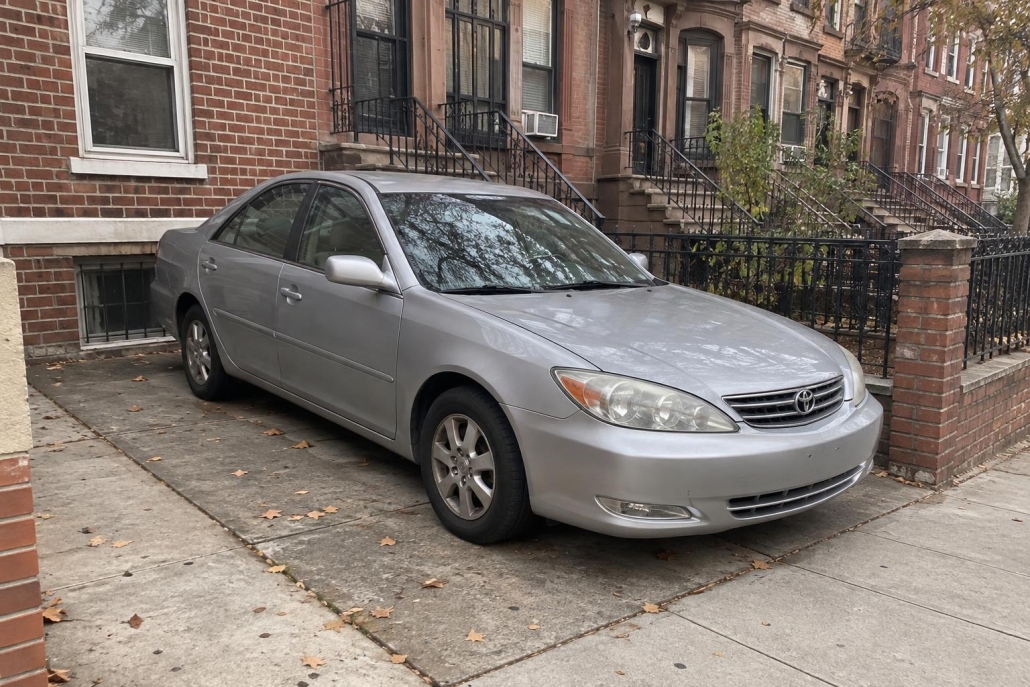
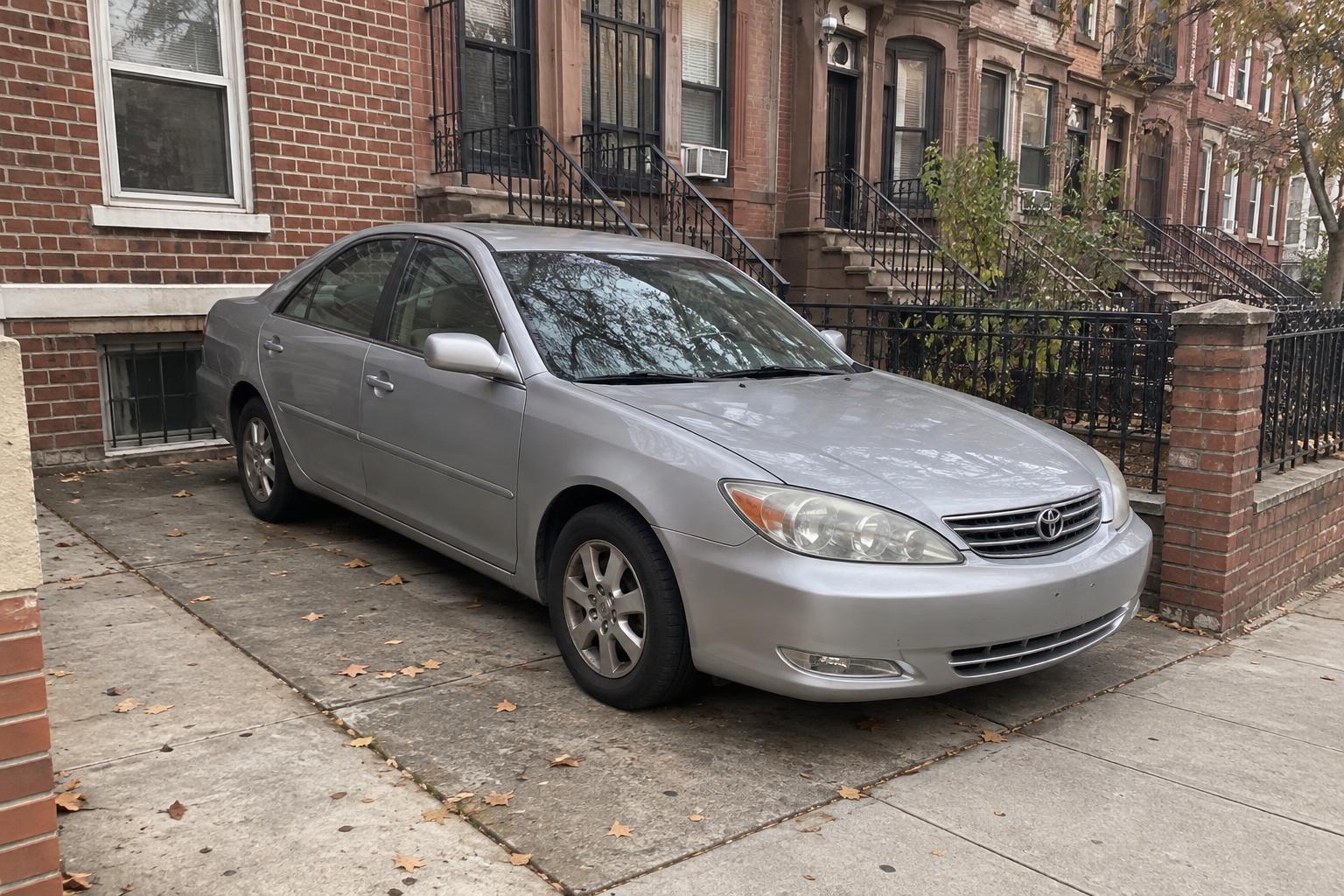
You do not need to start an unused car to begin reducing storage hazards. While you decide whether to keep, repair, sell or donate it, focus on lawful parking, secure access and observations you can make without touching fluids or working on the vehicle. If you are considering brooklyn car donation, we tow cars whether or not they run, so getting the engine running is not a necessary first step.
Check whether the parking location works for storage
A Brooklyn curbside space is not indefinite storage. Unless a posted sign states otherwise, New York City prohibits leaving a vehicle in the same spot for more than seven consecutive days. Other restrictions, including alternate-side parking and posted limits, still apply. Read the NYC311 parking rules before deciding to leave the car where it is.
If you cannot safely drive it, seek professional assistance rather than attempting a test drive just to meet a parking deadline. For private storage, ask the property owner or garage operator whether the space permits your vehicle and its current condition. Discuss any known leaks or battery concerns before arranging separate professional help to move it.
For security, consider removing valuables and spare keys, closing the windows and locking the doors when it is safe to access the car. Keep the keys somewhere children cannot reach. Make a note of where the car is stored and set a reminder to reassess the situation rather than letting the decision disappear into your routine.
Look for leaks without handling them
Keep your inspection visual. From a safe standing position beside the vehicle, look for fresh wet patches on visible pavement. Consider taking a photograph from the same safe position so you can describe changes to a repair professional. Do not crawl underneath, jack up the car, reach into a puddle, taste fluid or lean close to identify it by smell.
Keep children and pets away from unidentified liquid. Antifreeze can cause serious poisoning if swallowed, and spills need prompt attention. The National Capital Poison Center’s antifreeze guidance explains the exposure risks and precautions.
Ask a qualified repair professional to identify and address a suspected leak and advise on safe cleanup. Do not hose automotive fluids toward the curb or a drain. Motor oil, antifreeze, gasoline and transmission fluid must not be discarded into storm sewers, catch basins or household drains. Follow NYC environmental guidance for automotive products.
Skip garage warmups and test starts
Do not idle the car in a garage, even with the garage door open. Exhaust can create a deadly carbon monoxide hazard. Carbon monoxide has no color or odor, so smell cannot establish that the air is safe. The EPA’s carbon monoxide precautions specifically warn against garage idling.
For your storage decision, leave the vehicle switched off rather than starting it to see whether it still runs or to try charging its battery. Tell anyone else with access to the keys that you are not using periodic engine starts as a storage routine.
Get battery advice for your exact vehicle
Before disconnecting a battery or attaching a charger, find the owner’s manual for your vehicle’s year, model and powertrain. Ask the manufacturer’s service department or a qualified technician what is appropriate for its battery type, storage duration and present condition. Useful questions include whether a compatible maintainer is appropriate, whether disconnection affects vehicle systems and how access will work if power is lost.
Do not apply another vehicle’s storage instructions to yours. Manufacturer instructions address specific battery procedures and possible effects, such as resetting memory features after disconnection. For example, Ford’s E-Series owner’s manual includes dedicated storage and 12-volt battery guidance.
If an electric or hybrid vehicle has suspected battery damage, do not attempt battery repairs or touch exposed electrical components. Contact the dealer for guidance; call 911 for a fire or other emergency. NHTSA’s electric and hybrid vehicle safety guidance explains the hazards associated with damaged high-voltage batteries.
Choose your next step without reviving the car
You can consider donation without attempting a jump-start or repair. At Troops Relief Fund, we tow cars whether or not they run. When you are ready, explore our Brooklyn car donation option, start your donation online or call us at 1-646-402-6102. In the meantime, prioritize lawful storage and professional attention to any developing hazard.