Staten Island Car Donation | Troops Relief Fund
  • Home
  • How To Donate
  • Our Mission
  • Our Services
  • Why Donate Your Car?
  • Blog
  • Donate
  • Menu Menu

Tag Archive for: car donation tips

Keep a Parked Car Safe While You Decide What to Do with It

Brooklyn Car Donation Tips

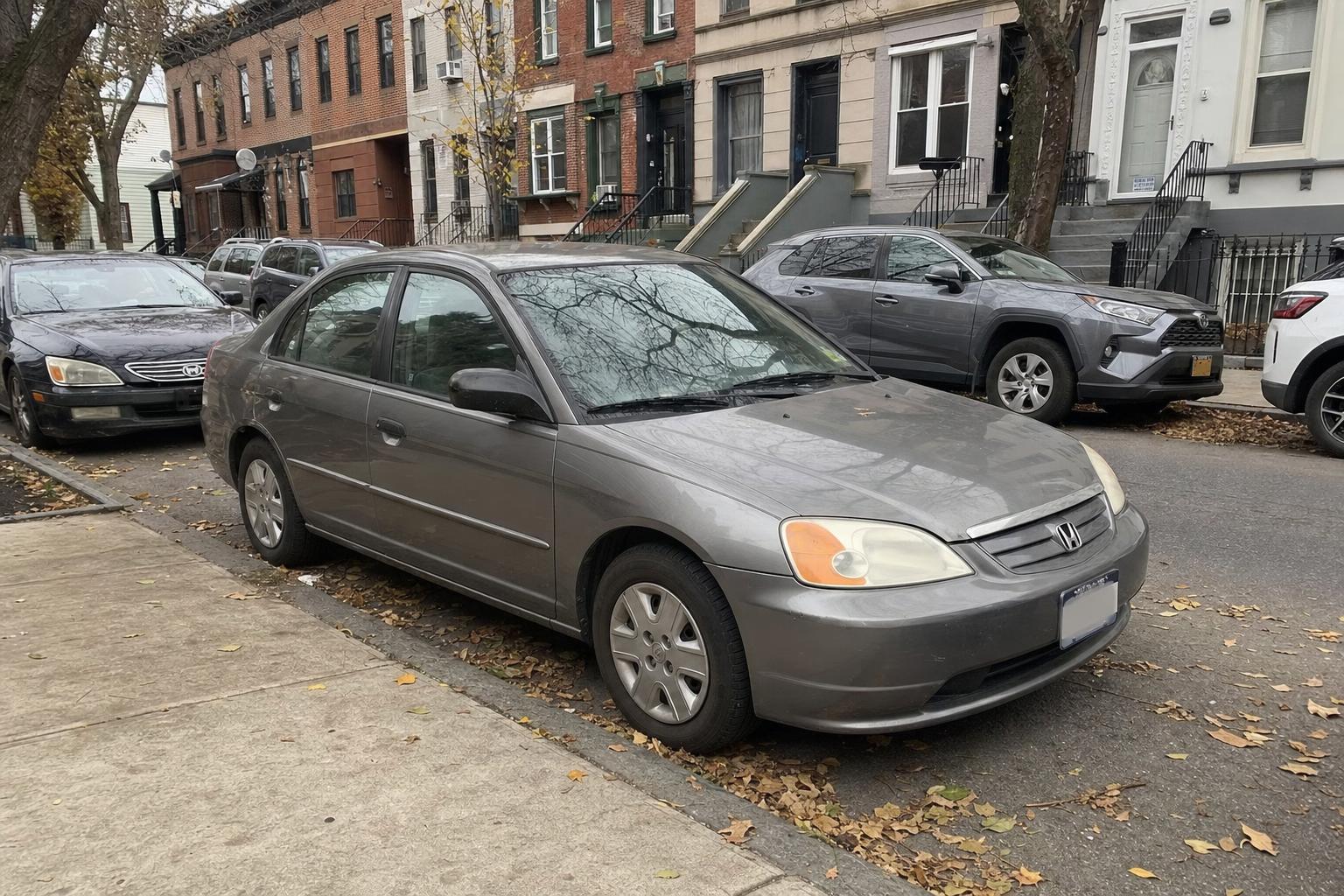
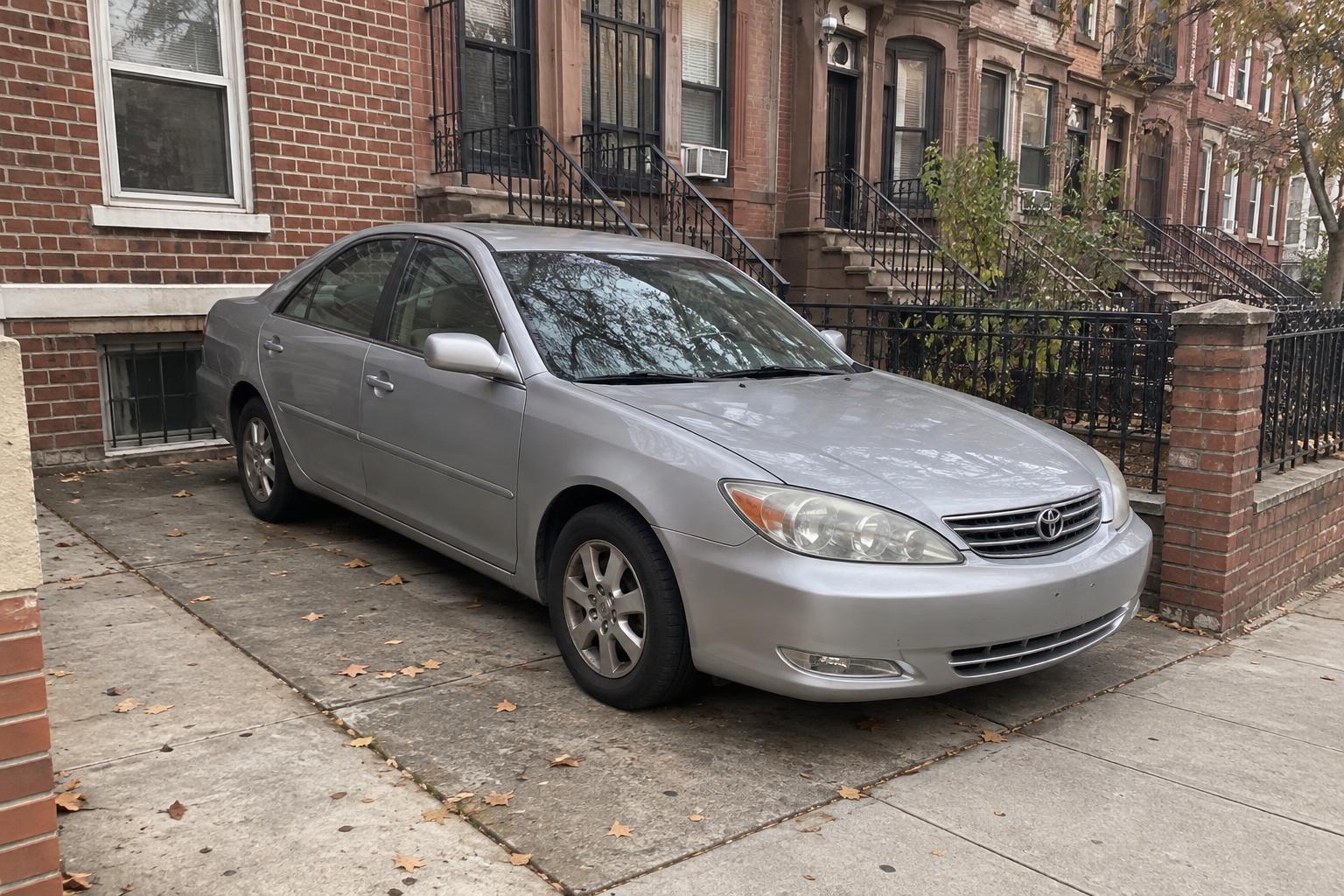
Silver sedan parked in a Brooklyn driveway beside brick rowhouses with stoops and iron railings.

You do not need to start an unused car to begin reducing storage hazards. While you decide whether to keep, repair, sell or donate it, focus on lawful parking, secure access and observations you can make without touching fluids or working on the vehicle. If you are considering brooklyn car donation, we tow cars whether or not they run, so getting the engine running is not a necessary first step.

Check whether the parking location works for storage

A Brooklyn curbside space is not indefinite storage. Unless a posted sign states otherwise, New York City prohibits leaving a vehicle in the same spot for more than seven consecutive days. Other restrictions, including alternate-side parking and posted limits, still apply. Read the NYC311 parking rules before deciding to leave the car where it is.

If you cannot safely drive it, seek professional assistance rather than attempting a test drive just to meet a parking deadline. For private storage, ask the property owner or garage operator whether the space permits your vehicle and its current condition. Discuss any known leaks or battery concerns before arranging separate professional help to move it.

For security, consider removing valuables and spare keys, closing the windows and locking the doors when it is safe to access the car. Keep the keys somewhere children cannot reach. Make a note of where the car is stored and set a reminder to reassess the situation rather than letting the decision disappear into your routine.

Look for leaks without handling them

Keep your inspection visual. From a safe standing position beside the vehicle, look for fresh wet patches on visible pavement. Consider taking a photograph from the same safe position so you can describe changes to a repair professional. Do not crawl underneath, jack up the car, reach into a puddle, taste fluid or lean close to identify it by smell.

Keep children and pets away from unidentified liquid. Antifreeze can cause serious poisoning if swallowed, and spills need prompt attention. The National Capital Poison Center’s antifreeze guidance explains the exposure risks and precautions.

Ask a qualified repair professional to identify and address a suspected leak and advise on safe cleanup. Do not hose automotive fluids toward the curb or a drain. Motor oil, antifreeze, gasoline and transmission fluid must not be discarded into storm sewers, catch basins or household drains. Follow NYC environmental guidance for automotive products.

Skip garage warmups and test starts

Do not idle the car in a garage, even with the garage door open. Exhaust can create a deadly carbon monoxide hazard. Carbon monoxide has no color or odor, so smell cannot establish that the air is safe. The EPA’s carbon monoxide precautions specifically warn against garage idling.

For your storage decision, leave the vehicle switched off rather than starting it to see whether it still runs or to try charging its battery. Tell anyone else with access to the keys that you are not using periodic engine starts as a storage routine.

Get battery advice for your exact vehicle

Before disconnecting a battery or attaching a charger, find the owner’s manual for your vehicle’s year, model and powertrain. Ask the manufacturer’s service department or a qualified technician what is appropriate for its battery type, storage duration and present condition. Useful questions include whether a compatible maintainer is appropriate, whether disconnection affects vehicle systems and how access will work if power is lost.

Do not apply another vehicle’s storage instructions to yours. Manufacturer instructions address specific battery procedures and possible effects, such as resetting memory features after disconnection. For example, Ford’s E-Series owner’s manual includes dedicated storage and 12-volt battery guidance.

If an electric or hybrid vehicle has suspected battery damage, do not attempt battery repairs or touch exposed electrical components. Contact the dealer for guidance; call 911 for a fire or other emergency. NHTSA’s electric and hybrid vehicle safety guidance explains the hazards associated with damaged high-voltage batteries.

Choose your next step without reviving the car

You can consider donation without attempting a jump-start or repair. At Troops Relief Fund, we tow cars whether or not they run. When you are ready, explore our Brooklyn car donation option, start your donation online or call us at 1-646-402-6102. In the meantime, prioritize lawful storage and professional attention to any developing hazard.
by TroopsReliefFund
https://troopsrelieffund.org/wp-content/uploads/2026/11/brooklyn-parked-car-storage-safety-owwocp.jpg 1024 1536 TroopsReliefFund https://troopsrelieffund.org/wp-content/uploads/2017/04/logo.png TroopsReliefFund2026-11-15 17:10:452026-11-15 17:10:46Keep a Parked Car Safe While You Decide What to Do with It

How to Check a Car Donation Charity’s Registration and Tax Status

Brooklyn Car Donation Tips

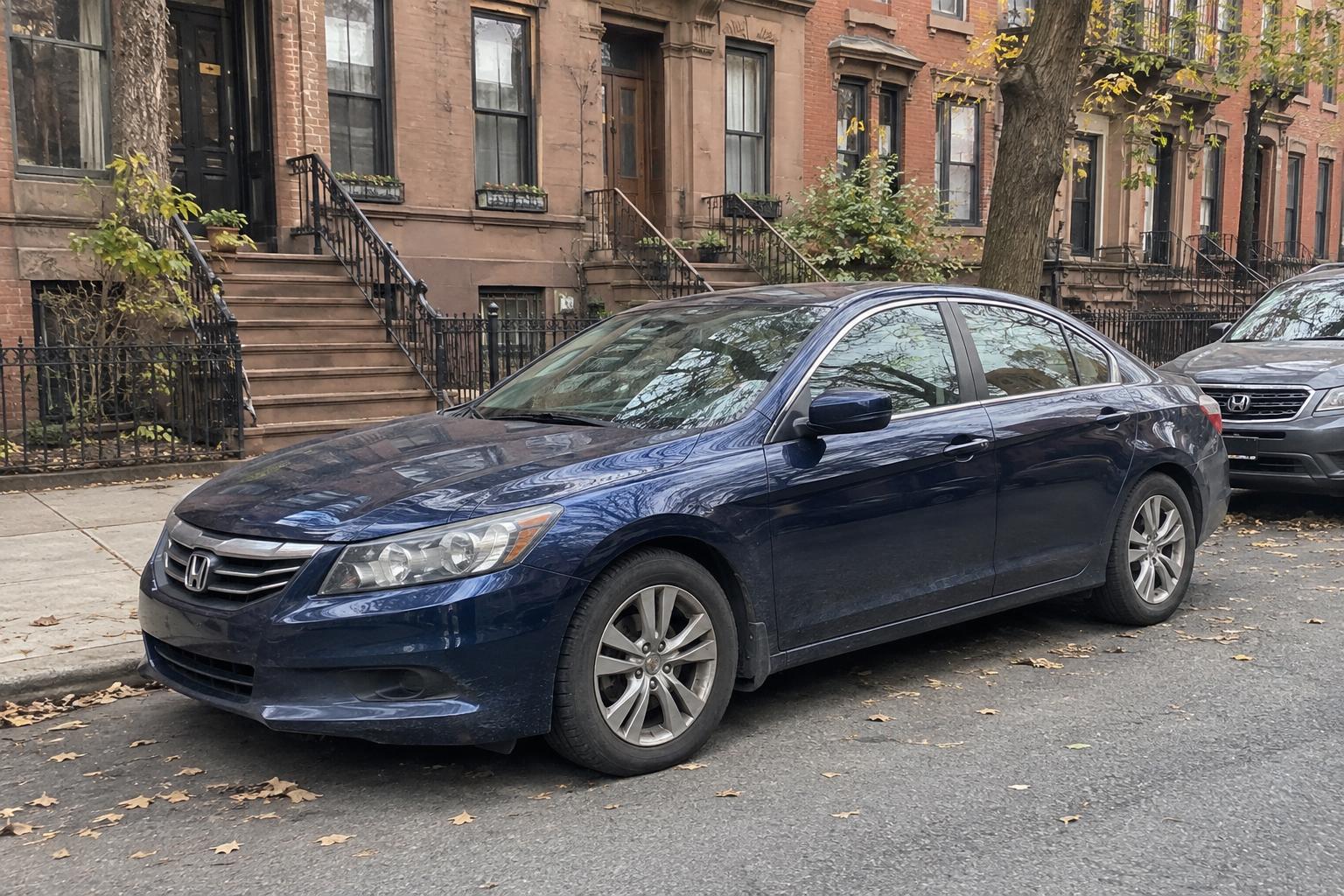
Dark blue sedan parked beside Brooklyn brownstones with stoops and autumn leaves.

Before arranging a brooklyn car donation, check two separate records: the charity’s federal eligibility to receive tax-deductible contributions and its New York charitable registration. Match the legal name and employer identification number, or EIN, throughout your search. The New York Attorney General’s vehicle-donation checklist recommends checking both registration and federal charitable status before donating.

We want you to feel comfortable asking questions before making your decision. Here is a practical way to organize those checks and resolve differences before handing over your vehicle.

Start with the legal name and EIN

Ask the organization accepting your donation for its full legal name, EIN and mailing address. If the donation program uses a different public-facing name, ask which legal entity will receive the contribution and issue the acknowledgment. Write those details together so you can compare the same organization across records.

The IRS Tax Exempt Organization Search instructions explain that Publication 78 data uses an organization’s official name, not its doing-business-as name. Searching by EIN can help you locate the intended organization when the name you recognize differs from its legal name.

Check federal eligibility through the IRS

Use IRS Tax Exempt Organization Search to check eligibility to receive tax-deductible charitable contributions through Publication 78 data. The tool also provides access to determination letters, Form 990-series filings, Form 990-N notices and automatic-revocation information.

  • Compare identity: Check the EIN, legal name and location against the details you received.
  • Read the relevant record: Distinguish a listing about contribution eligibility from an annual filing or an older letter.
  • Check dates: Note the effective dates on letters and any revocation or reinstatement records.
  • Save your results: Keep a dated copy with your donation correspondence.

An automatic-revocation entry needs further checking because an organization may subsequently have been reinstated. The IRS search guidance explains how to look for reinstatement through current eligibility data and determination letters. Read those records together rather than relying on a single historical entry.

Search New York’s Charities Bureau registry

Next, use the New York Attorney General’s charities database. It provides annual financial reports and other documents for registered organizations. Some charities, including certain religious organizations, are exempt from registration and may not appear.

Compare the legal name and EIN in available filings with your IRS results. Note the reporting period on each financial report, and consider whether the organization’s stated activities fit the charitable purpose you want to support.

Registration is not endorsement. The Attorney General expressly does not endorse organizations listed in its charities registry. State registration and federal contribution eligibility answer different questions; neither replaces your decision about whether an organization’s work matches your giving priorities.

Resolve missing or conflicting information first

If names, numbers or addresses differ, pause your donation arrangements and ask for a written explanation. Useful questions include:

  • What is the legal name and EIN of the entity receiving my vehicle donation?
  • Why does that name differ from the donation program’s name?
  • Which document explains a name or address change?
  • If a record shows revocation, where is the later reinstatement determination?

For an unresolved New York registration question, contact the Charities Bureau at 212-416-8401, the assistance number published with its registry search. If a federal record remains unclear, seek clarification from the IRS before relying on it for a donation decision.

Ask how your vehicle will support the mission

Official records are one part of choosing where to give. Ask what will happen to the vehicle and how the money will be used, questions included in the Attorney General’s vehicle-donation guidance.

We raise funds through the auction of donated vehicles and the sale of recycled automotive materials. We serve Brooklyn and Staten Island and support charities helping military personnel, veterans and their families in the New York City area. Learn more about our mission and vehicle donation program.

When you are ready to discuss your vehicle donation, call us at 1-646-402-6102. Take the time you need to review records and ask questions before deciding.

by TroopsReliefFund
https://troopsrelieffund.org/wp-content/uploads/2026/11/brooklyn-car-donation-charity-check-pwtyxl.jpg 1024 1536 TroopsReliefFund https://troopsrelieffund.org/wp-content/uploads/2017/04/logo.png TroopsReliefFund2026-11-15 17:01:202026-11-15 17:01:21How to Check a Car Donation Charity’s Registration and Tax Status

Electric-Car Donation in Brooklyn: High-Voltage Safety

Brooklyn Car Donation Tips

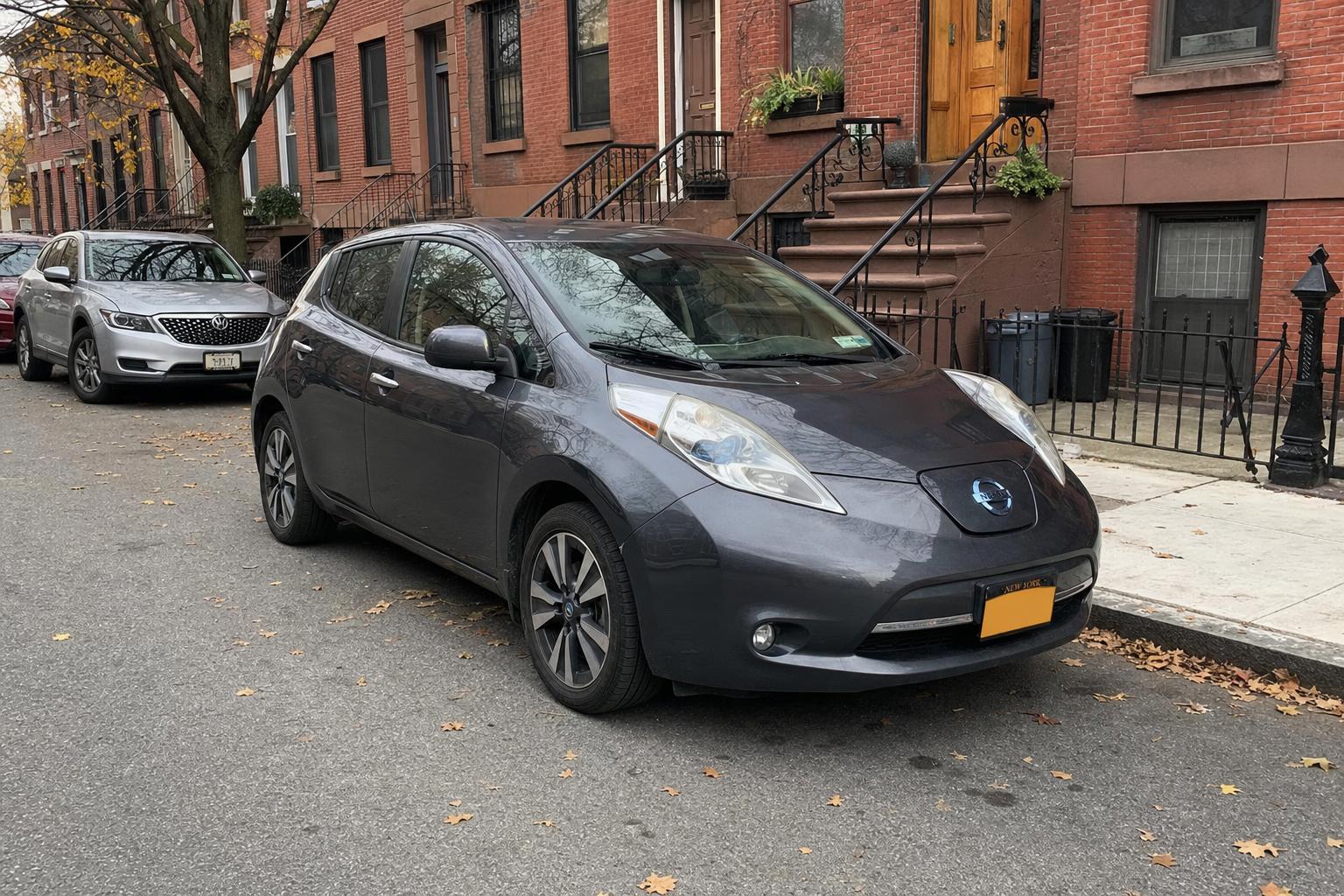
Electric hatchback parked beside Brooklyn brownstones with stoops and autumn leaves along the curb.

Before an electric-car donation, leave high-voltage components untouched and tell us about any collision, flooding, battery warnings or known damage before discussing a handoff. Call us to ask whether your specific EV and its current condition are suitable for donation. If the vehicle shows signs of a battery emergency, call 911 first, not our donation line.

We arrange pickup of your vehicle at zero cost to you through our brooklyn car donation program. For an electric vehicle, start the conversation with its year, make, model and condition rather than attempting electrical preparation yourself.

Recognize high-voltage components without touching them

An EV’s traction battery is different from its low-voltage accessory battery. Its electrical system also includes components such as the motor, power inverter and DC-DC converter. The traction battery requires trained service personnel and specialized equipment. See NHTSA’s electric-vehicle component and safety guidance.

High-voltage cables are typically orange. Treat that color and high-voltage warning labels as signals to keep your hands and tools away, not invitations to inspect connections. Tesla’s Model 3 battery safety instructions prohibit opening or tampering with the battery and removing, replacing or disassembling high-voltage components, cables or connectors.

Know when to stop donation preparations

Warning signs around a damaged battery can include smoke, sparks, flames, unusual heat, leaking fluids, or gurgling, popping and hissing sounds. Damage can cause a fire immediately or later. Do not approach to investigate these signs. Move away, keep others clear and call 911, identifying the vehicle as electric. NHTSA’s damaged-EV guidance explains these hazards and emergency precautions.

Flood exposure also needs attention even when there is no visible fire. If you suspect battery damage after flooding, contact your dealer and/or emergency services. Do not park a damaged lithium-ion vehicle in a garage or within 50 feet of structures, vehicles or combustible materials. In a tight Brooklyn parking area, seek professional direction rather than trying to reposition a damaged EV yourself. Read NHTSA’s flood and damaged-battery precautions.

Do not attempt DIY disconnection

Donation preparation is not a reason to pull a service disconnect, cut a cable, open the battery enclosure or attempt an electrical repair. After damage, treat the high-voltage battery and associated components as energized. An authorized service center or manufacturer representative should address damaged-vehicle service needs, as outlined in NHTSA’s vehicle-owner precautions.

For model-specific battery care and transport instructions, use the owner’s manual for your exact vehicle. Tesla’s instructions apply to the specified Tesla model, not every EV. NHTSA also directs owners to their owner’s manual for towing options. Leave electrical isolation and transport setup to appropriately trained professionals.

Tell us what happened before the handoff

When you contact us, a clear description is more useful than a diagnosis you have attempted yourself. Consider having these details ready:

  • The year, make and model, and whether it is fully electric or a plug-in hybrid.
  • Any known collision, underside impact, flooding or previous battery repair.
  • Battery or electrical warning messages you have already observed.
  • Whether the vehicle currently powers on, and whether it is connected to a charger.
  • Its Brooklyn location, including garage access, curbside position or other access limitations.
  • Any existing manufacturer or service-center instructions about moving or storing it.

Share what you already know. Do not crawl beneath the car, remove covers or return to a hazardous vehicle to gather additional details.

Call us at 1-646-402-6102 to discuss your specific electric car, its condition and donation suitability before making handoff plans. When you are ready to begin, start your donation online and include the relevant condition details. Keep emergency response separate from donation arrangements, and leave high-voltage work to trained professionals.

by TroopsReliefFund
https://troopsrelieffund.org/wp-content/uploads/2026/11/brooklyn-electric-car-battery-safety-8vo9t5.jpg 1024 1536 TroopsReliefFund https://troopsrelieffund.org/wp-content/uploads/2017/04/logo.png TroopsReliefFund2026-11-07 16:00:002026-11-03 12:38:20Electric-Car Donation in Brooklyn: High-Voltage Safety

How to Recognize a Suspicious Car Donation Call or Message

Brooklyn Car Donation Tips

Gray sedan parked beside Brooklyn brownstones with stoops and autumn leaves along the curb.

If an unexpected call, text or email asks you to share documents or send money for a Brooklyn car donation, pause before responding. Contact us independently before taking the requested action. A familiar organization name does not establish who contacted you. The FTC’s phishing guidance recommends contacting an organization through a phone number or website you know is real, rather than information supplied in an unexpected message.

Contact us independently

Call us at 1-646-402-6102 for scheduling or more information. You can also start your donation online through our donation form. If a message makes you uncomfortable, leave it unanswered while you reach us through your independently chosen route.

When you call, describe the contact and ask whether the request came from us. You might say, “I received a message about donating my car. Can you help me check the request?” Explain what the sender wanted before sharing additional personal details. Do not use a callback number supplied only in the questionable message.

Inspect the address, not just the name

Our donation form is at troopsrelieffund.org/donate/. Examine the full sender address and any visible destination address in an unexpected message. Look for changed letters, misspellings or a different domain ending. The Office of the Comptroller of the Currency’s phishing prevention guidance explains that small address differences and convincing imitation websites can be warning signs.

  • Expand the sender details instead of relying only on the displayed organization name.
  • Compare the spelling carefully rather than scanning for familiar words.
  • If the destination is unclear, leave the link alone and navigate independently.
  • Do not treat a padlock or HTTPS as proof that the organization behind a website is genuine.

You do not need to open a suspicious link to investigate it. Leave it untouched and call us instead.

Pause before uploading documents

Do not upload a vehicle title, registration, driver’s license or other sensitive document through a link in an unsolicited message. First call us independently and ask whether the request came from us, what information is needed and how to provide it. Keep the discussion focused on the specific request rather than sending every document you have.

Even if you recently decided to donate, check an unexpected sender before responding. The FTC’s advice for suspicious messages applies even when you recognize the organization being named. Leave suspicious links and attachments unopened, and keep passwords and banking credentials out of the exchange.

Recognize pressure to pay immediately

Stop if someone insists that you must pay immediately or discourages you from calling independently. Demands that you pay only by gift card, wire transfer or cryptocurrency are charity-scam warning signs. The FTC’s charitable giving guidance explains these payment risks.

Write down the requested amount, the stated reason and the payment method, then end the exchange. Do not send money just to resolve an urgent claim. Use your notes when you call us to ask about the request or report suspected impersonation.

Report suspected impersonation

If someone appears to be using our name, call us at 1-646-402-6102 and describe the contact. Keep the message, sender details, date and payment instructions for your records. Do not continue the conversation to investigate it yourself.

You can report suspected fraud to the FTC. For an unwanted text, use your messaging app’s report option or forward the message to 7726, which spells SPAM. The FTC provides instructions for reporting unwanted texts.

If you already paid, promptly contact the bank, card issuer or payment provider involved. Explain the suspected scam and ask whether the payment can be reversed. If you shared sensitive information, follow the FTC’s recovery steps after a scam for the information involved.

Ready to continue your Brooklyn car donation? Start your donation online or call us at 1-646-402-6102. Choose your own route to us before sharing documents or acting on an unexpected request.

by TroopsReliefFund
https://troopsrelieffund.org/wp-content/uploads/2026/11/brooklyn-car-donation-message-awareness-gctmih.jpg 1024 1536 TroopsReliefFund https://troopsrelieffund.org/wp-content/uploads/2017/04/logo.png TroopsReliefFund2026-11-05 16:00:002026-11-03 12:38:44How to Recognize a Suspicious Car Donation Call or Message

Plan Everyday Transportation Before Donating Your Last Car in Brooklyn

Brooklyn Car Donation Tips

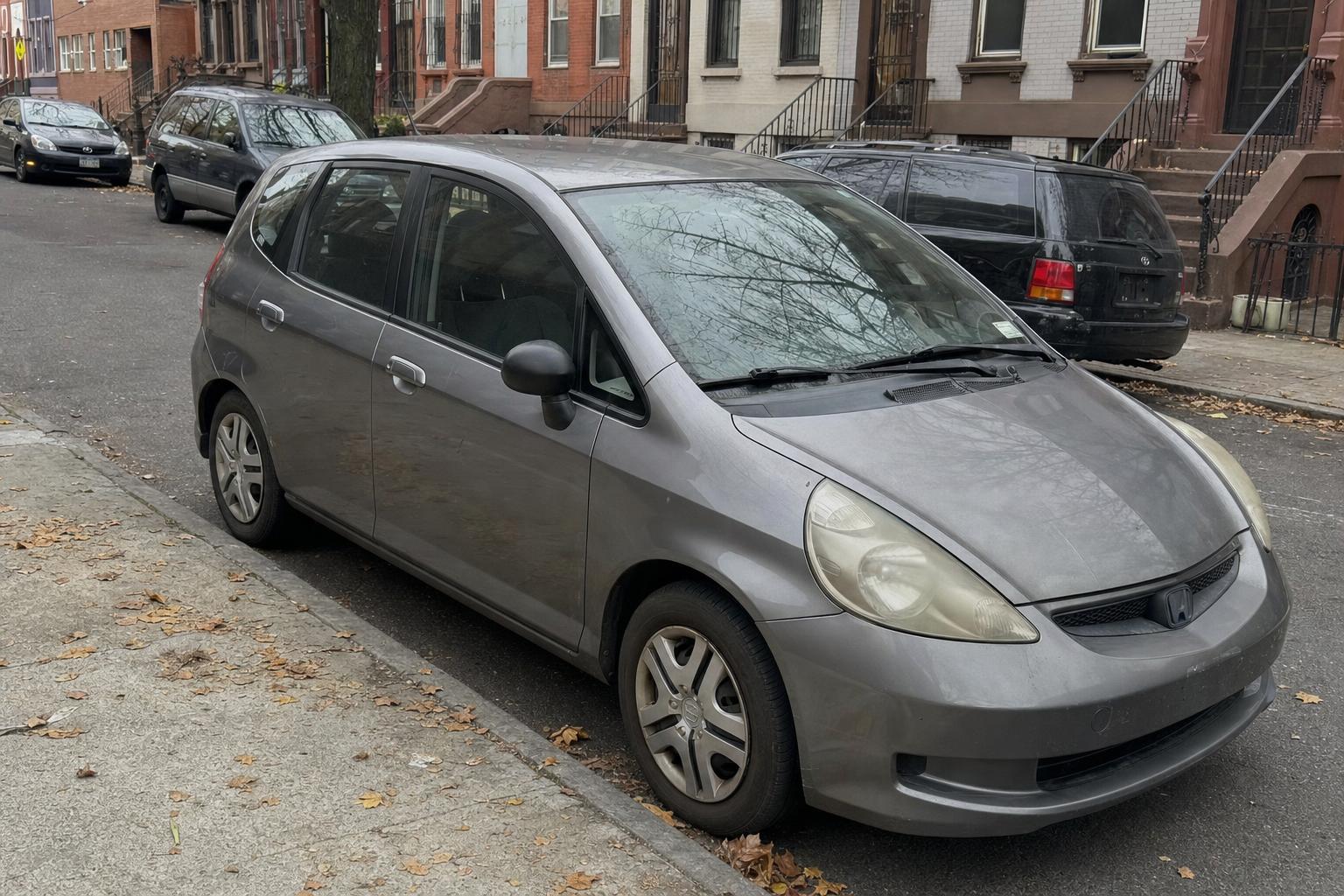
Gray compact hatchback parked at the curb on a Brooklyn street, in front of attached rowhouses with stoops and scattered fallen leaves.

Before donating your household’s last car, test how you will handle an ordinary week without it. Your plan should cover more than the commute: groceries, appointments, caregiving, weekend errands and the ride home after a late shift all matter. We want you to feel ready for that change before you start your Brooklyn car donation.

We operate locally in Staten Island and Brooklyn. When you are ready to donate, our team can answer your vehicle donation questions. First, give yourself time to build a transportation plan that works for everyone who depends on your car.

Map the trips your household actually makes

Start with your calendar and a week or two of travel notes. Ask every household member to contribute, including anyone you regularly drive. Record each destination, required arrival time, usual departure time and return trip.

  • Work and school: Include early starts, late finishes, activities and days when schedules overlap.
  • Shopping: List grocery runs, pharmacy visits and trips involving bulky or heavy purchases.
  • Care and appointments: Include recurring appointments, visits to relatives and any need for another person’s assistance.
  • Less frequent travel: Add weekend commitments, trips outside Brooklyn and seasonal responsibilities.

Mark which trips have fixed arrival times and which can move. Then write a possible replacement beside each one: walking, subway, bus, a paid ride, delivery or an agreed ride with someone you know. Leave a blank where you have not found a workable option. Those blanks deserve attention before you give up the car.

Test routes at the times you need them

Use the MTA’s trip-planning and service resources to look up your journeys and check service alerts. Plan the return journey separately, especially when you finish work late or travel on weekends.

Try a full week without using your car for routine travel, if practical. Keep the car available while you test the alternatives. Take your normal work bag, grocery trolley or other everyday items so the trial reflects your actual needs.

Record door-to-door time rather than only time aboard a train or bus. Include the walk to the stop, waiting, transfers and the final walk to your destination. Note whether you arrived comfortably or had to rush. Test a second route for any trip where one missed connection would create a serious problem.

Compare actual household costs

Use your own bills for the car side of the comparison: insurance, parking, fuel, tolls, maintenance and any loan payment. Separate recurring expenses from occasional ones, and count only savings that would actually follow from no longer having the vehicle.

For transit, the MTA’s current subway and bus fares list a $3 base fare for most subway and local bus riders and $7.25 for express buses. With the same OMNY card, payment card or device, fares are capped at $35 within a seven-day period for subway and local bus travel, or $67 including express buses.

Build your replacement budget for the whole household, not just one commuter. Add the paid rides, deliveries and occasional rentals you reasonably expect to use. Use receipts from your trial week and actual quotes for trips you could not test. Keep a separate allowance for unexpected travel rather than treating the cheapest possible week as your normal budget.

Make accessibility part of the route

If anyone needs step-free travel, start with the MTA’s accessible-trip tools and station resources. Check the complete journey, including transfers and the entrance you intend to use.

Check MTA elevator and escalator status before leaving. Write down an alternative route for an elevator outage, and test whether the extra walking or transfer is manageable for the person making the trip.

For eligible customers whose disabilities prevent them from using public buses and subways, MTA Access-A-Ride provides shared-ride paratransit service. Explore eligibility, application and booking arrangements before making it part of your household’s transportation plan.

Give late-night trips a separate backup

For each late shift or evening commitment, write down a primary route and a backup. Check service for the actual travel time, identify where you would wait and get a realistic price for a paid ride home. If you expect help from a friend or relative, agree on availability instead of leaving the arrangement open-ended.

Discuss what you will do if your phone battery runs out, a connection is missed or your usual companion cannot travel. Keep essential route details and contact numbers somewhere you can reach without your phone.

Donate when the plan works in practice

Review the trial together. Can everyone reach essential destinations on time? Does the budget include realistic backup travel? Have you resolved the trips that still depend on the car? If not, keep testing and adjust your donation timing.

Once you are comfortable with the change, explore our vehicle donation services. We provide towing at no cost to donors and answer questions about donating your vehicle. Start your donation online when your household is ready to take the next step.

by TroopsReliefFund
https://troopsrelieffund.org/wp-content/uploads/2026/11/brooklyn-last-car-transportation-plan-kobpla.jpg 1024 1536 TroopsReliefFund https://troopsrelieffund.org/wp-content/uploads/2017/04/logo.png TroopsReliefFund2026-11-04 16:00:002026-11-03 12:37:22Plan Everyday Transportation Before Donating Your Last Car in Brooklyn

Top Tips for Car Donation in Brooklyn: What You Need to Know

Brooklyn Car Donation Tips

Cyclone roller coaster in Brooklyn, showcasing local attractions while donating a car

Donating a car in Brooklyn is a meaningful way to support the community, particularly veterans and their families through the Troops Relief Fund. If you’re considering this generous act, there are a few key things to keep in mind to make the process smooth and beneficial for all parties involved.

1. Understanding the Donation Process

The first step in donating a car in Brooklyn is understanding the basic process. Typically, you would start by filling out an online form or contacting the charity directly. For the Troops Relief Fund, you can reach out via their Contact Page. They will arrange a convenient time for free towing of your vehicle, whether it’s running or not. You’ll also need to have your title ready, as this is crucial for the transfer of ownership.

2. Benefits for Donors

One of the most significant advantages of donating a car in Brooklyn is the potential tax deduction. The Troops Relief Fund will provide a receipt for your donation, which you can use when filing your taxes. Additionally, donating your unused vehicle helps free up space and eliminates the need for further maintenance costs. Knowing that your donation supports a noble cause and aids veterans in need can be immensely fulfilling.

3. Environmental and Community Impact

Beyond the personal benefits, donating a car in Brooklyn can have positive environmental and community impacts. Many vehicles donated to the Troops Relief Fund are recycled or refurbished, reducing waste and promoting sustainable practices. Furthermore, this initiative supports local job creation, as towing, processing, and managing donations require a dedicated workforce. By choosing to donate, you’re contributing to both the well-being of veterans and the economic health of the community.

Donating a car in Brooklyn is a straightforward and rewarding process that benefits donors, the environment, and most importantly, the veterans who have served our country. For more information or to begin the donation process, visit the Troops Relief Fund’s Donate Page today.

Photo by Philipp Potocnik on Unsplash

by TroopsReliefFund
https://troopsrelieffund.org/wp-content/uploads/2024/07/cyclone-roller-coaster-donating-a-car-in-brooklyn.jpg 1440 1920 TroopsReliefFund https://troopsrelieffund.org/wp-content/uploads/2017/04/logo.png TroopsReliefFund2023-08-29 19:59:242024-07-29 20:11:46Top Tips for Car Donation in Brooklyn: What You Need to Know

About Troops Relief Fund

We send overseas care packages and assist veterans with vet dogs, as well as provide support to the wounded warrior project. Donation proceedings go to Phillips Global ROTC Program for armed forces. Our focus is on the areas of Staten Island, Brooklyn, and Queens.

Learn More

Contact Us

Phone: 1-646-402-6102

Address: 400C Victory Boulevard
Staten Island, NY 10301
(Staten Island Chapter)

P.O. Box:PO Box 140580
Howard Beach, NY 11414

How It Works

Call Us! (or Click)
Speak to a professional who will walk you through our fast and easy process. (You can also click here and do everything yourself online!)
Schedule Your Pickup
We always make sure to choose a time that’s most convenient to you. You tell us where your vehicle can be picked up, and we’ll do everything else!.
Donation
Your vehicle will be sold in an auction or recycled into new materials. The proceeds from either of these sales will benefit the charities that have partnered with Troops Relief Fund.
Tax Deduction
Finally, once we have your donation, we mail you a tax-deductible receipt. Save it, and use it on next year’s taxes to claim your deduction. It’s that easy!.

© Copyright - Troops Relief Fund Web Design by NB Technologies
Scroll to top Scroll to top Scroll to top