Staten Island Car Donation | Troops Relief Fund
  • Home
  • How To Donate
  • Our Mission
  • Our Services
  • Why Donate Your Car?
  • Blog
  • Donate
  • Menu Menu

Can You Donate a Leased Car in Staten Island?

Staten Island Car Donation Tips

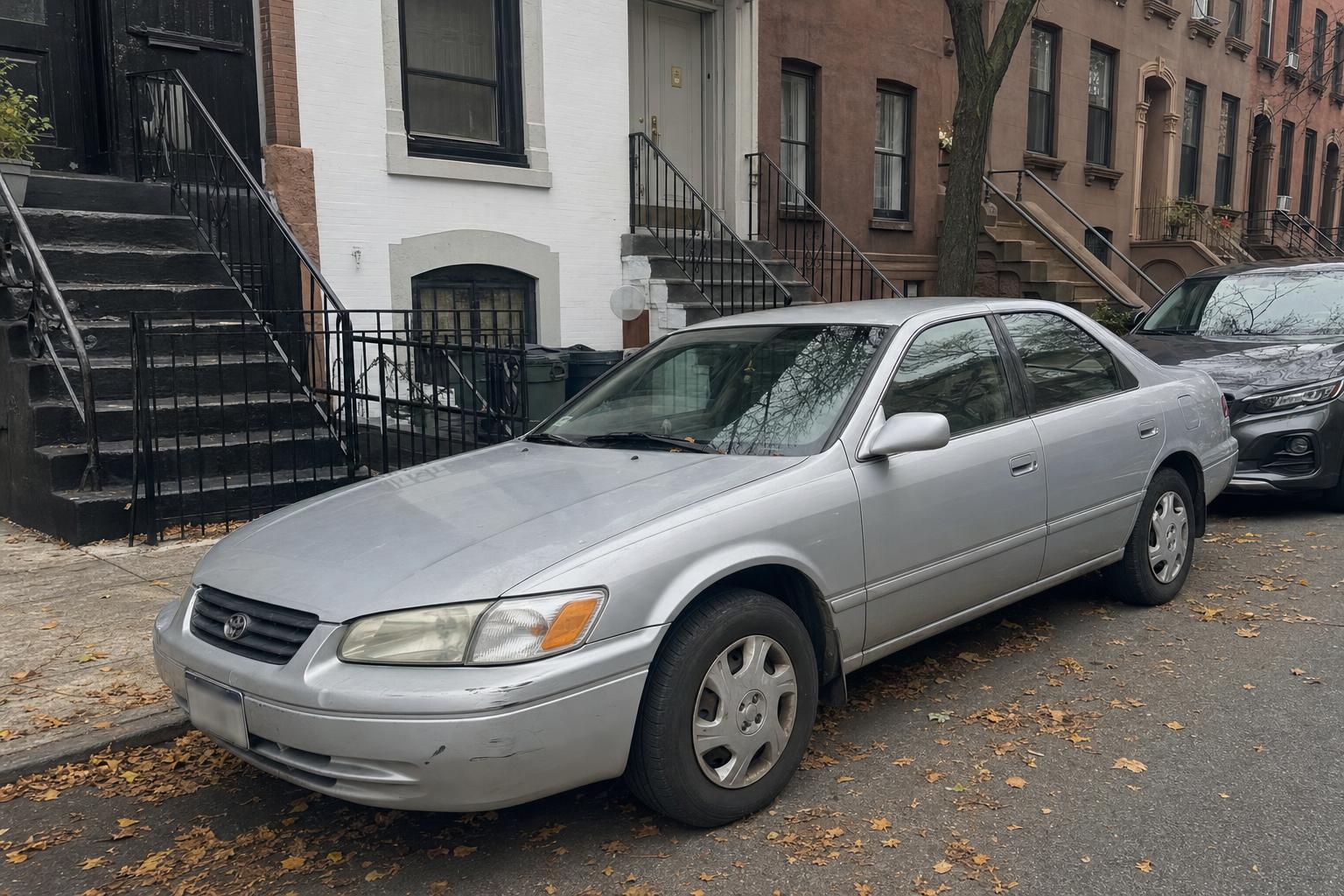
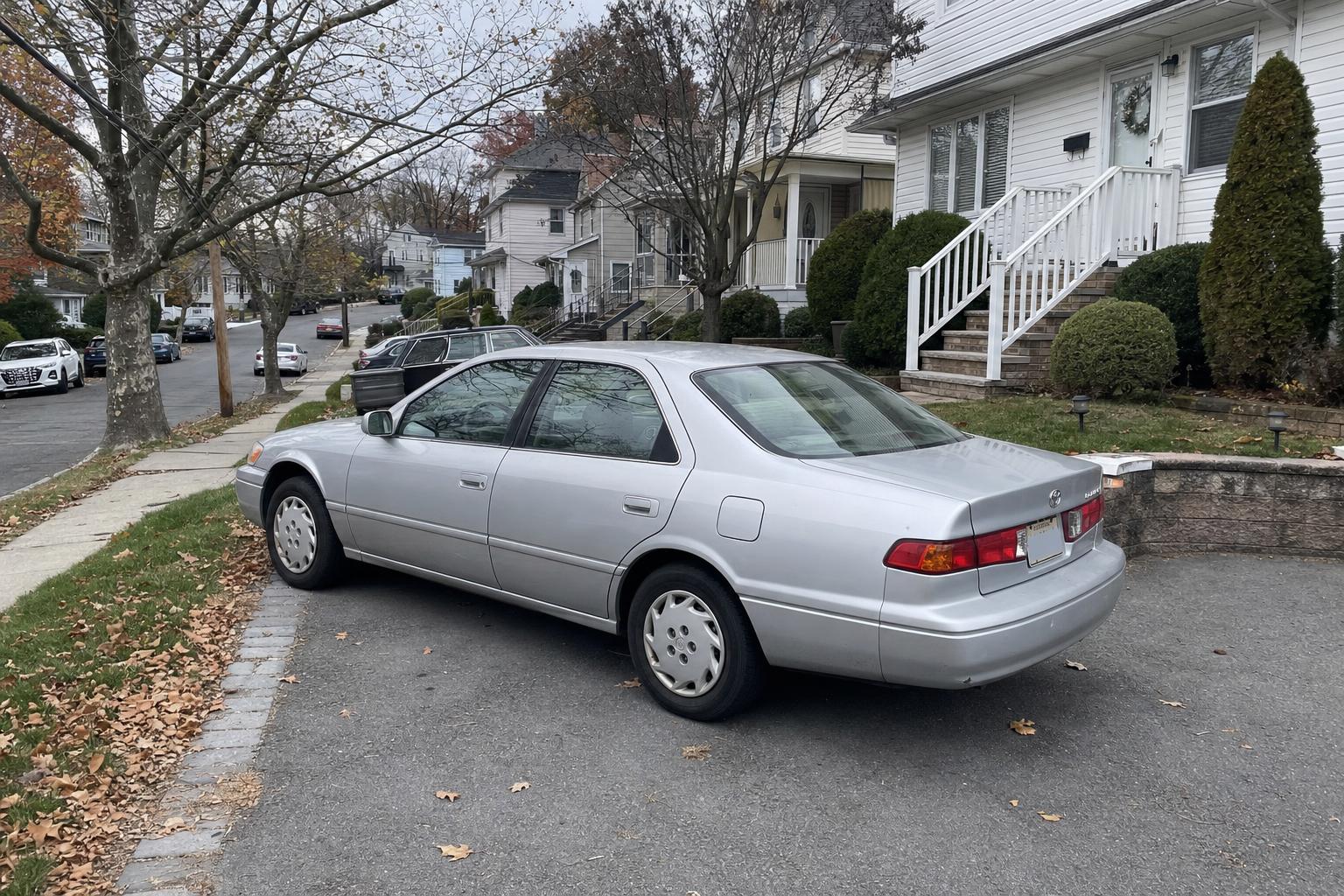
Silver sedan in a Staten Island driveway beside detached homes and autumn trees.

If you are considering staten island car donation for a leased vehicle, start with ownership. Driving the car and making its monthly payments do not make you its owner. The leasing company, also called the lessor, owns the vehicle. You cannot decide to give away its property simply because the lease is nearly finished. New York DMV explains that the leasing company holds the title in its name in its leased-vehicle ownership guidance.

We want you to make a clear, informed decision before planning a donation. Separate two questions: how will you satisfy your lease, and will you eventually own a vehicle you can transfer?

Check your lease before making donation plans

Gather your signed lease, any amendments and your latest account statement. Identify the lessor named in the agreement rather than relying only on the dealership where you collected the car.

Read the sections covering the end date, return instructions, purchase options, early termination and restrictions on transferring the vehicle or lease. Federal leasing rules require disclosures about purchase options, early-termination charges and applicable wear-and-use standards. You can consult the Consumer Financial Protection Bureau’s lease disclosure requirements for those categories.

Consider asking your lessor these questions and requesting written answers:

  • Does my agreement include a purchase option, and when can I exercise it?
  • What is the itemized purchase amount for the date I am considering?
  • What would I owe if I returned the car at the scheduled end of the lease?
  • What separate charges would apply if I ended the lease early?
  • What restrictions apply to a third-party purchase or other transfer?

Compare returning the car with buying it

Returning it at the scheduled end

Returning a leased car is a contractual option, not a charitable donation. For a closed-end lease, the return bill can include excess-mileage charges, excess wear-and-tear charges, a disclosed disposition fee and other unpaid amounts. The Federal Reserve’s vehicle-return guidance explains these end-of-term responsibilities.

For your comparison, write down the lessor’s estimated return charges and any remaining scheduled payments. Ask about the return inspection and keep the return acknowledgment and final account records. Treat estimates and final bills as separate documents.

Buying the car

A buyout means purchasing the vehicle, not donating it. The option exists only if your agreement permits it. The CFPB’s leasing-versus-buying guidance explains that you may purchase at lease-end when your lease includes that option.

Request a complete written purchase quote showing the price, applicable taxes, fees and any other amounts due. If you would borrow to purchase, include financing costs in your comparison. Ask which return-related charges would apply under the purchase option rather than carrying those charges into both totals automatically.

Then compare the total cost with your budget and your reasons for wanting the car. Buying a vehicle solely to donate it creates an additional purchase decision. Give that decision the same care you would give any other substantial expense.

Do not confuse early return with release from the lease

Ending a lease early can involve substantial charges. Handing over the keys does not, by itself, end your payment obligations. Review the early-termination terms separately from the scheduled lease-end options. New York residents can also consult the New York Attorney General’s vehicle-leasing guidance for state consumer protections.

Resolve ownership before arranging a transfer

Do not sign as the owner or authorize a donation pickup merely because the vehicle is in your driveway. Registration and possession are not substitutes for ownership. If you choose a buyout, ask the lessor what ownership documents it will supply and use New York DMV’s title guidance to address the title transaction before attempting a later donation.

Keep your lease decision separate from your donation decision. First resolve the contract and establish your authority to transfer the vehicle. Then speak with us about donating a vehicle you own.

We tow donated cars, trucks and motorcycles at no cost to our donors. Explore our vehicle donation services, or call us at 1-646-402-6102 with your donation questions.
by TroopsReliefFund
https://troopsrelieffund.org/wp-content/uploads/2026/11/staten-island-leased-car-ownership-qdws9z.jpg 1024 1536 TroopsReliefFund https://troopsrelieffund.org/wp-content/uploads/2017/04/logo.png TroopsReliefFund2026-11-07 16:15:002026-11-03 12:38:29Can You Donate a Leased Car in Staten Island?

Electric-Car Donation in Brooklyn: High-Voltage Safety

Brooklyn Car Donation Tips

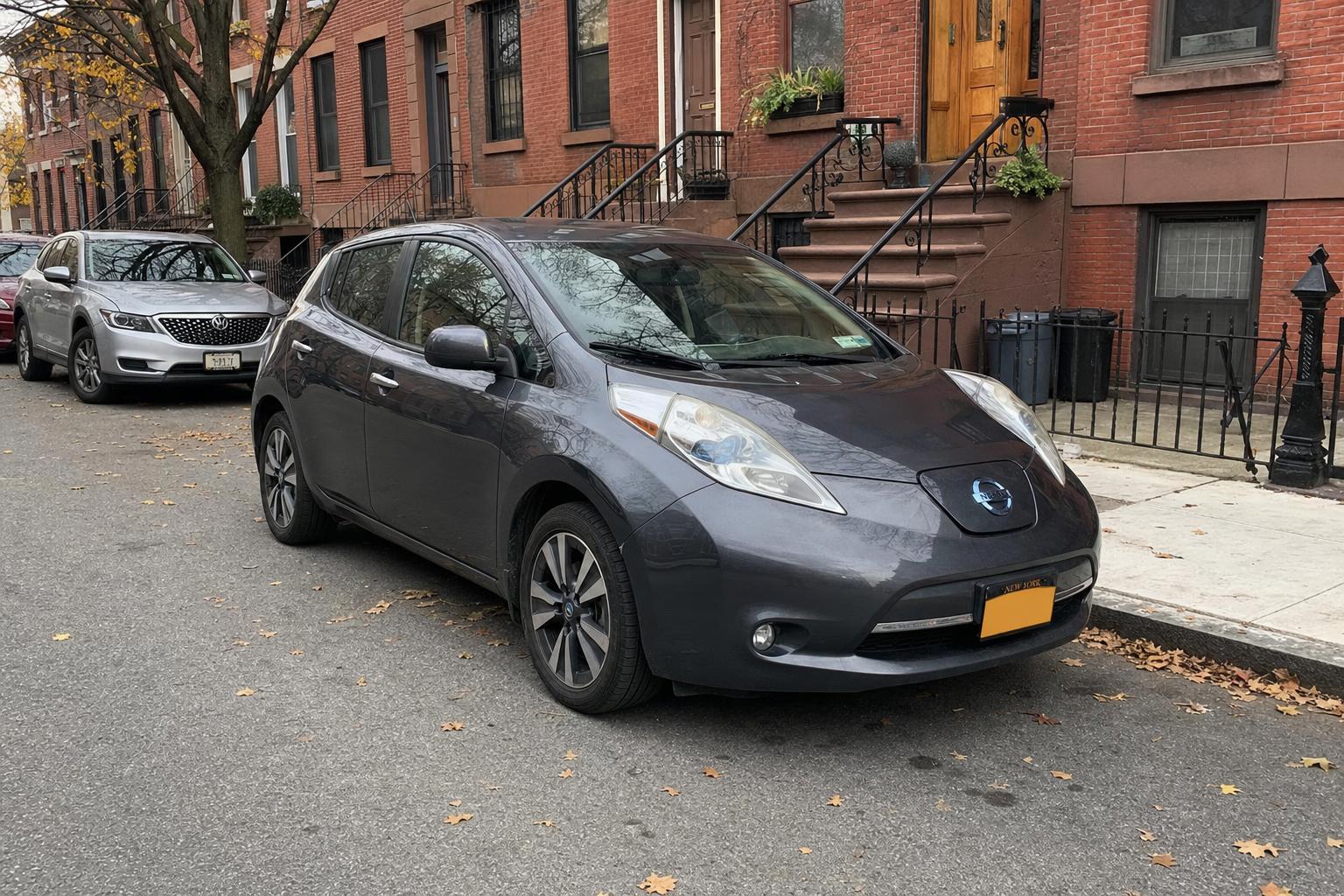
Electric hatchback parked beside Brooklyn brownstones with stoops and autumn leaves along the curb.

Before an electric-car donation, leave high-voltage components untouched and tell us about any collision, flooding, battery warnings or known damage before discussing a handoff. Call us to ask whether your specific EV and its current condition are suitable for donation. If the vehicle shows signs of a battery emergency, call 911 first, not our donation line.

We arrange pickup of your vehicle at zero cost to you through our brooklyn car donation program. For an electric vehicle, start the conversation with its year, make, model and condition rather than attempting electrical preparation yourself.

Recognize high-voltage components without touching them

An EV’s traction battery is different from its low-voltage accessory battery. Its electrical system also includes components such as the motor, power inverter and DC-DC converter. The traction battery requires trained service personnel and specialized equipment. See NHTSA’s electric-vehicle component and safety guidance.

High-voltage cables are typically orange. Treat that color and high-voltage warning labels as signals to keep your hands and tools away, not invitations to inspect connections. Tesla’s Model 3 battery safety instructions prohibit opening or tampering with the battery and removing, replacing or disassembling high-voltage components, cables or connectors.

Know when to stop donation preparations

Warning signs around a damaged battery can include smoke, sparks, flames, unusual heat, leaking fluids, or gurgling, popping and hissing sounds. Damage can cause a fire immediately or later. Do not approach to investigate these signs. Move away, keep others clear and call 911, identifying the vehicle as electric. NHTSA’s damaged-EV guidance explains these hazards and emergency precautions.

Flood exposure also needs attention even when there is no visible fire. If you suspect battery damage after flooding, contact your dealer and/or emergency services. Do not park a damaged lithium-ion vehicle in a garage or within 50 feet of structures, vehicles or combustible materials. In a tight Brooklyn parking area, seek professional direction rather than trying to reposition a damaged EV yourself. Read NHTSA’s flood and damaged-battery precautions.

Do not attempt DIY disconnection

Donation preparation is not a reason to pull a service disconnect, cut a cable, open the battery enclosure or attempt an electrical repair. After damage, treat the high-voltage battery and associated components as energized. An authorized service center or manufacturer representative should address damaged-vehicle service needs, as outlined in NHTSA’s vehicle-owner precautions.

For model-specific battery care and transport instructions, use the owner’s manual for your exact vehicle. Tesla’s instructions apply to the specified Tesla model, not every EV. NHTSA also directs owners to their owner’s manual for towing options. Leave electrical isolation and transport setup to appropriately trained professionals.

Tell us what happened before the handoff

When you contact us, a clear description is more useful than a diagnosis you have attempted yourself. Consider having these details ready:

  • The year, make and model, and whether it is fully electric or a plug-in hybrid.
  • Any known collision, underside impact, flooding or previous battery repair.
  • Battery or electrical warning messages you have already observed.
  • Whether the vehicle currently powers on, and whether it is connected to a charger.
  • Its Brooklyn location, including garage access, curbside position or other access limitations.
  • Any existing manufacturer or service-center instructions about moving or storing it.

Share what you already know. Do not crawl beneath the car, remove covers or return to a hazardous vehicle to gather additional details.

Call us at 1-646-402-6102 to discuss your specific electric car, its condition and donation suitability before making handoff plans. When you are ready to begin, start your donation online and include the relevant condition details. Keep emergency response separate from donation arrangements, and leave high-voltage work to trained professionals.

by TroopsReliefFund
https://troopsrelieffund.org/wp-content/uploads/2026/11/brooklyn-electric-car-battery-safety-8vo9t5.jpg 1024 1536 TroopsReliefFund https://troopsrelieffund.org/wp-content/uploads/2017/04/logo.png TroopsReliefFund2026-11-07 16:00:002026-11-03 12:38:20Electric-Car Donation in Brooklyn: High-Voltage Safety

Flood-Damaged Car Donation: Stay Safe Before Touching or Starting the Vehicle

Staten Island Car Donation Tips

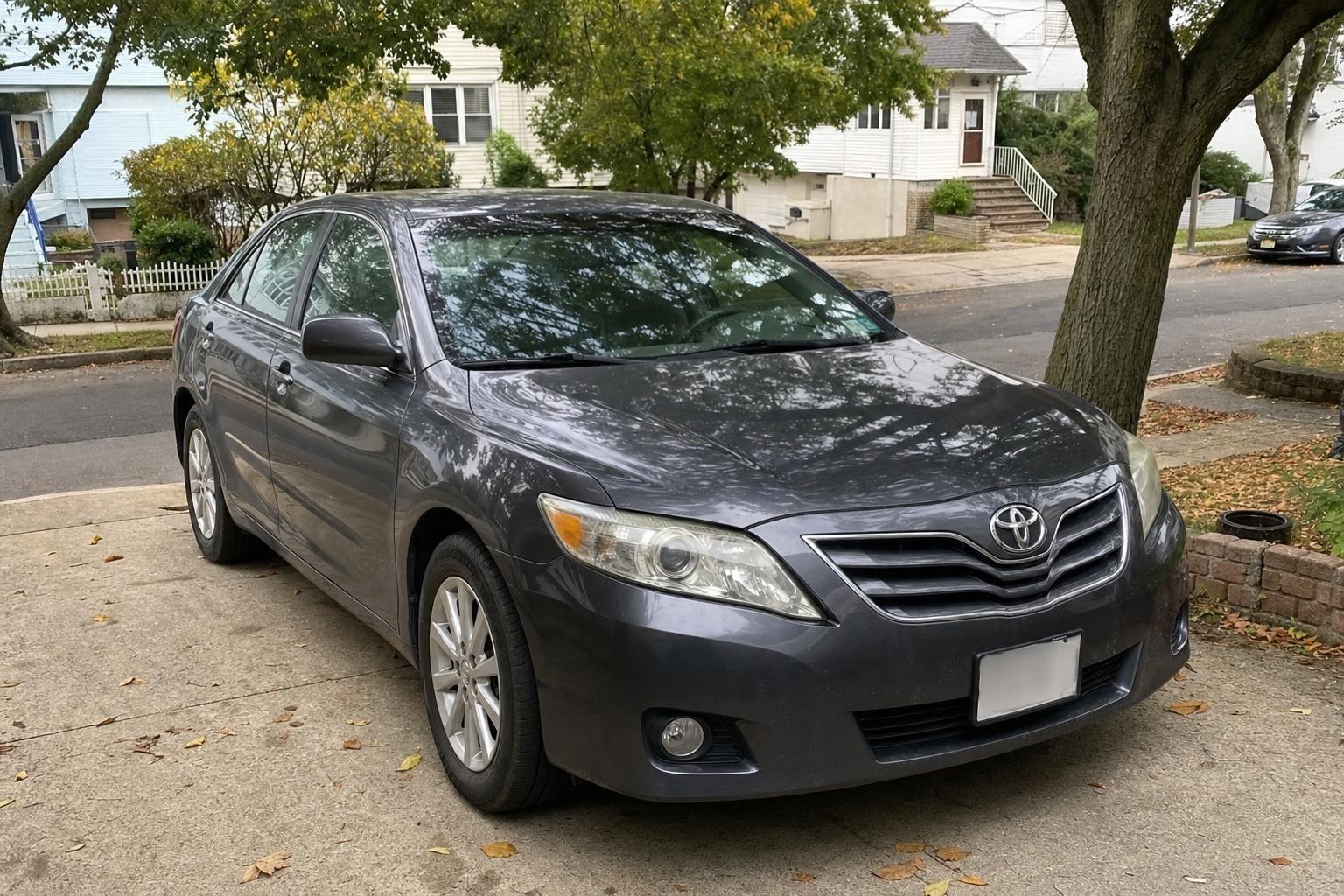
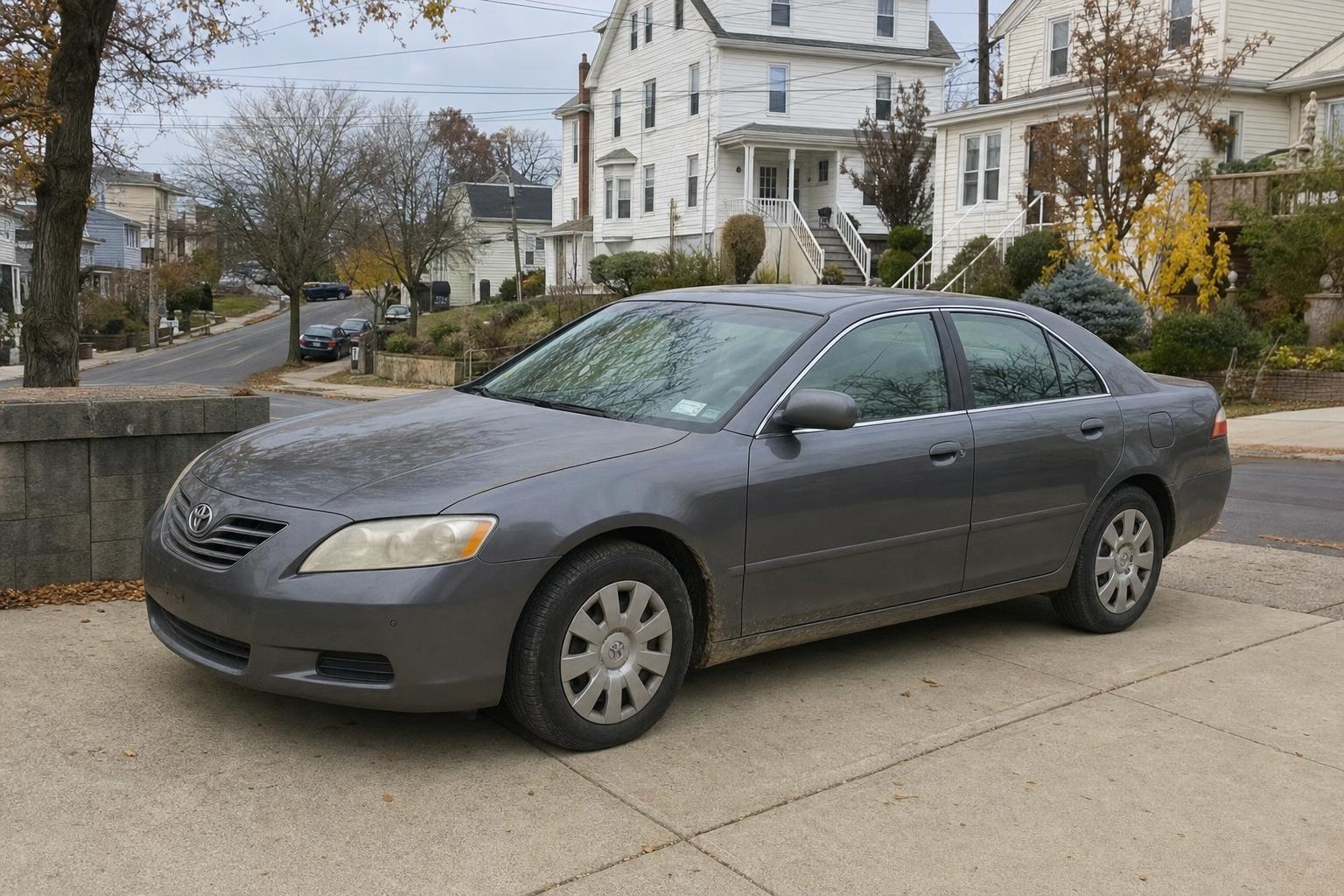
Gray sedan with dried mud along its lower doors on a driveway beside detached Staten Island homes.

If your car has been flooded, do not try to start it to see whether it still runs. Arrange a professional assessment before switching it on or driving it. Flood damage can be hidden, even after the water recedes. NHTSA’s flood-vehicle safety guidance emphasizes assessing the vehicle before starting it.

If you are considering staten island car donation after a flood, we want you to put your safety first. We tow vehicles whether or not they run. Call us to discuss the flood exposure rather than attempting a restart for a donation inquiry.

Leave restart attempts and electrical work to professionals

Keep the ignition off and leave testing to a qualified automotive professional. Do not use a jump-start as a test or try to drive the car a short distance to make it easier to reach. Tell the professional whether the vehicle was parked, running or stalled when the flooding occurred.

Water exposure does not mean a battery has lost its charge. Leave battery removal and electrical disconnection to trained professionals rather than reaching into wet components. The CDC’s floodwater precautions warn that car batteries in floodwater may still carry an electrical charge.

Take extra care with electric and hybrid vehicles

Flooded electric and hybrid vehicles can present high-voltage shock and fire hazards. Do not touch exposed wiring or attempt to service the high-voltage battery. If you suspect battery damage, contact your dealer or emergency services. If a fire occurs, move away and call 911. NHTSA’s electric and hybrid vehicle safety guidance explains these hazards and the need for trained handling.

NHTSA also advises keeping a damaged vehicle with a lithium-ion battery out of a garage and at least 50 feet from structures, other vehicles and combustible materials. If the vehicle is already in an unsafe location, seek professional help with moving it rather than starting it yourself. See NHTSA’s damaged-battery storage precautions.

Keep your distance from contaminated water

Do not wade through standing water to retrieve keys, belongings or paperwork. Floodwater can contain sewage, hazardous chemicals and sharp debris. Keep children away from the affected area, and postpone entering the car or handling wet interior materials until you have professional safety advice. The CDC recommends staying out of floodwater to reduce exposure to these hazards.

Document the exposure without putting yourself at risk

A short written record can help you explain the vehicle’s condition to a mechanic, your insurer and us. Record what you already know; there is no need to enter an unsafe area to fill in missing details. Useful notes include:

  • The date and location of the flooding.
  • The approximate highest water level you observed from a safe location.
  • Whether the water was known to be freshwater or saltwater, or whether its source is unknown.
  • Whether the vehicle was running, stalled or parked during the flood.
  • Any restart, jump-start or charging attempts already made.
  • Photos taken safely from dry ground and any professional assessment records.

Describe unknown details as unknown. Keep existing photographs and records together instead of switching on the dashboard to obtain more information.

Discuss donation after addressing immediate hazards

Ask a qualified automotive professional how the vehicle can be safely approached, assessed and transported. For an electric or hybrid model, seek someone trained to handle its high-voltage system. Share the flood history before anyone arrives to inspect or move it.

We arrange free pickup at a convenient time and tow vehicles whether or not they are working. When you contact us about a flood-exposed car, describe its condition, location and any professional safety advice you have received so we can discuss the next step.

Explore our Staten Island car donation process, or Call us at 1-646-402-6102 to discuss your vehicle. You can also Start your donation online. Leave the engine off and make safety your first step.

by TroopsReliefFund
https://troopsrelieffund.org/wp-content/uploads/2026/11/staten-island-flood-damaged-car-safety-bmsdu7.jpg 1024 1536 TroopsReliefFund https://troopsrelieffund.org/wp-content/uploads/2017/04/logo.png TroopsReliefFund2026-11-06 16:15:002026-11-03 12:38:09Flood-Damaged Car Donation: Stay Safe Before Touching or Starting the Vehicle

Can You Donate a Brooklyn Car with an Out-of-State Title?

Brooklyn Car Donation Tips

Silver sedan parked beside Brooklyn brownstones and stone stoops on an overcast autumn day.

If your car is in Brooklyn but its title or registration comes from another state, start by calling us to discuss the paperwork you have. Tell us which state issued each document and where the vehicle is located. Ask us about your specific vehicle before making donation arrangements, and ask the relevant state motor vehicle agency about transfer rules.

For your brooklyn car donation, keep two conversations separate: talk with us about the proposed donation, and talk with the DMV about the steps that apply to your ownership documents. That gives you a practical starting point without guessing how to complete an unfamiliar title.

What should you have nearby when you call us?

Gathering a few details can help you explain your situation clearly. These are useful preparation suggestions, not a list of required donation documents:

  • The state printed on the title and the state printed on the registration, if you have both.
  • The vehicle’s year, make and model.
  • The names shown on the paperwork.
  • Whether you have the original title, a copy or only a registration.
  • Any lender or lienholder information shown on the documents.
  • The vehicle’s current Brooklyn location and whether it runs.

If the title and registration show different states, mention both rather than describing everything simply as out-of-state paperwork. If a document is missing, describe exactly what you do have.

Questions to ask us about your proposed donation

Call us at 1-646-402-6102 to speak with Troops Relief Fund personnel. You can use these questions to keep the conversation focused:

  1. My vehicle is in Brooklyn and has a title issued by another state. Can you discuss this vehicle with me?
  2. What vehicle and paperwork details would you like me to provide?
  3. I have a registration but cannot locate the title. What should I discuss with the issuing DMV before proceeding?
  4. The paperwork includes another owner’s name or a lender. What details should I explain to you?
  5. What should I have clarified before we discuss pickup arrangements?

You can also begin through our Brooklyn car donation form. Include a clear description of the out-of-state paperwork when you contact us, so your question stays connected to the particular vehicle you want to donate.

Ask the relevant DMV about transfer rules

For transfer instructions, contact the motor vehicle agency in the state that issued your title. If the registration comes from a different state, explain that as well. For New York questions, use the New York DMV’s vehicle ownership transfer guidance as a starting point.

Ask the agency which instructions apply to your situation rather than filling in unfamiliar sections by guesswork. Useful questions include:

  • Which transfer instructions apply when the car is located in Brooklyn?
  • How should I handle a missing title or an error in a name or address?
  • What steps apply if more than one owner or a lienholder appears on the paperwork?
  • Who should be named as the recipient, and where should signatures go?
  • Are there notices, deadlines or plate and registration steps I should address?

Keep your questions and the answers together for easy reference. Before writing on an original document, ask the issuing agency about any section you do not understand.

Start with the paperwork you actually have

You do not need to guess the answer before reaching out. Tell us where your car is, which state issued its paperwork and what you would like to donate. Then use the relevant DMV’s instructions to address the transfer questions specific to those documents.

Call us at 1-646-402-6102 or start your donation online to discuss your vehicle with us.

by TroopsReliefFund
https://troopsrelieffund.org/wp-content/uploads/2026/11/brooklyn-car-out-of-state-title-0g70ru.jpg 1024 1536 TroopsReliefFund https://troopsrelieffund.org/wp-content/uploads/2017/04/logo.png TroopsReliefFund2026-11-06 16:00:002026-11-03 12:37:58Can You Donate a Brooklyn Car with an Out-of-State Title?

Can You Donate an Abandoned Car That Is Not Yours?

Staten Island Car Donation Tips

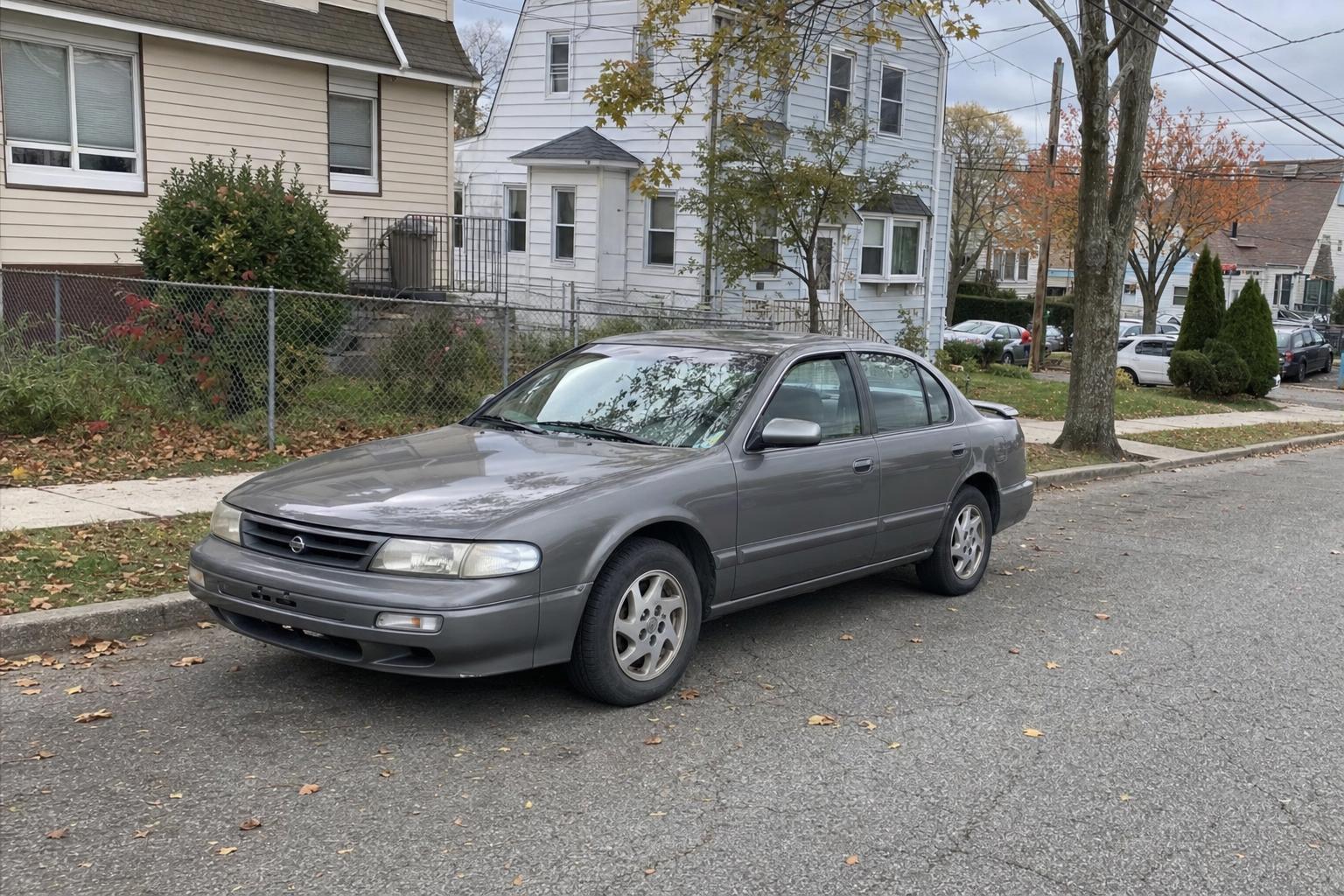
Gray sedan parked beside detached homes and trees on a Staten Island residential street

No. A car that appears abandoned is not yours to donate simply because it is parked near your home or left on your property. For Staten Island car donation, start by separating two questions: do you own the vehicle or have legal authority to transfer it, or do you need to report someone else’s vehicle? New York requires acceptable proof of ownership for a vehicle transfer, and abandoned vehicles have a separate legal process. See the New York DMV ownership-transfer requirements.

Possession is not ownership

Having the keys, access to a driveway, or responsibility for a property does not by itself establish ownership of a vehicle. Neither does a car’s worn appearance. Before offering a vehicle for donation, check the ownership documents and your authority to sign a transfer. If you are helping another owner, keep that owner involved rather than signing as though the vehicle belongs to you.

If someone left a car on your property, follow the abandoned-vehicle process rather than completing a donation form in your own name. The DMV’s abandoned-vehicle guidance directs you to the local authority with jurisdiction and to contact local police to check whether the vehicle was reported stolen before disposal.

Document what you can observe safely

For a useful report, consider keeping a short, factual record. Describe what you actually observed rather than guessing who owns the car or why it is there.

  • Note the exact location, nearby address or cross streets, and whether the vehicle is on a public street, driveway, or other private property.
  • Record the make, model if recognizable, color, and whether any license plates are visible.
  • Write down when you first noticed it and the dates of any later observations.
  • Take photographs only from somewhere you are permitted to stand, without stepping into traffic or entering someone else’s property.
  • Leave doors, windows, plates, and belongings untouched. Do not enter the vehicle or try to move it yourself.

Keep any report reference number with your notes so you can refer to the same concern later.

Reporting a vehicle on a public street

NYC311 separates reports by plate status. A vehicle with at least one fixed metal license plate or an in-transit paper registration plate can be reported after at least 48 hours on public property; local police handle these reports. Vehicles without plates on City streets or sidewalks go through DSNY assessment, with some referred to police. Use NYC311’s abandoned-vehicle reporting options to choose the appropriate route.

DSNY’s public-property removal criteria distinguish derelict vehicles from other abandoned vehicles. Missing plates alone do not establish that a car meets those criteria. Read the DSNY derelict-vehicle guidance rather than trying to classify or dispose of it yourself.

What changes on private property?

For property owners, NYC311 describes a DSNY removal route for vehicles without plates abandoned by someone else. It requires a signed waiver, access for removal, and a fee tied to scrap-metal pricing. Vehicles belonging to the property owner are excluded from that service. Common driveways are not public property. Follow the written-request instructions in NYC311’s private-property removal guidance, or call 311 for help selecting the appropriate channel.

For other private-property situations, including a vehicle with plates, contact your local police agency for direction. The DMV identifies a separate, limited disposal process for qualifying abandoned vehicles; that process is not an ordinary donation transfer. Use the DMV instructions for abandoned vehicles before taking disposal steps.

When the vehicle is yours to donate

If you own an unwanted vehicle, we can discuss donating it. We are Troops Relief Fund, based in Staten Island and serving Staten Island and Brooklyn. We raise funds through donated vehicle auctions and the sale of recycled automotive materials, supporting charities that help military personnel, veterans, and their families in the New York City area. Learn more about our mission and the communities we serve.

For your own vehicle, start your donation online or call us at 1-646-402-6102. For someone else’s abandoned vehicle, use the City reporting route instead.

by TroopsReliefFund
https://troopsrelieffund.org/wp-content/uploads/2026/11/staten-island-parked-sedan-spuwsl.jpg 1024 1536 TroopsReliefFund https://troopsrelieffund.org/wp-content/uploads/2017/04/logo.png TroopsReliefFund2026-11-05 16:15:002026-11-03 12:37:47Can You Donate an Abandoned Car That Is Not Yours?

How to Recognize a Suspicious Car Donation Call or Message

Brooklyn Car Donation Tips

Gray sedan parked beside Brooklyn brownstones with stoops and autumn leaves along the curb.

If an unexpected call, text or email asks you to share documents or send money for a Brooklyn car donation, pause before responding. Contact us independently before taking the requested action. A familiar organization name does not establish who contacted you. The FTC’s phishing guidance recommends contacting an organization through a phone number or website you know is real, rather than information supplied in an unexpected message.

Contact us independently

Call us at 1-646-402-6102 for scheduling or more information. You can also start your donation online through our donation form. If a message makes you uncomfortable, leave it unanswered while you reach us through your independently chosen route.

When you call, describe the contact and ask whether the request came from us. You might say, “I received a message about donating my car. Can you help me check the request?” Explain what the sender wanted before sharing additional personal details. Do not use a callback number supplied only in the questionable message.

Inspect the address, not just the name

Our donation form is at troopsrelieffund.org/donate/. Examine the full sender address and any visible destination address in an unexpected message. Look for changed letters, misspellings or a different domain ending. The Office of the Comptroller of the Currency’s phishing prevention guidance explains that small address differences and convincing imitation websites can be warning signs.

  • Expand the sender details instead of relying only on the displayed organization name.
  • Compare the spelling carefully rather than scanning for familiar words.
  • If the destination is unclear, leave the link alone and navigate independently.
  • Do not treat a padlock or HTTPS as proof that the organization behind a website is genuine.

You do not need to open a suspicious link to investigate it. Leave it untouched and call us instead.

Pause before uploading documents

Do not upload a vehicle title, registration, driver’s license or other sensitive document through a link in an unsolicited message. First call us independently and ask whether the request came from us, what information is needed and how to provide it. Keep the discussion focused on the specific request rather than sending every document you have.

Even if you recently decided to donate, check an unexpected sender before responding. The FTC’s advice for suspicious messages applies even when you recognize the organization being named. Leave suspicious links and attachments unopened, and keep passwords and banking credentials out of the exchange.

Recognize pressure to pay immediately

Stop if someone insists that you must pay immediately or discourages you from calling independently. Demands that you pay only by gift card, wire transfer or cryptocurrency are charity-scam warning signs. The FTC’s charitable giving guidance explains these payment risks.

Write down the requested amount, the stated reason and the payment method, then end the exchange. Do not send money just to resolve an urgent claim. Use your notes when you call us to ask about the request or report suspected impersonation.

Report suspected impersonation

If someone appears to be using our name, call us at 1-646-402-6102 and describe the contact. Keep the message, sender details, date and payment instructions for your records. Do not continue the conversation to investigate it yourself.

You can report suspected fraud to the FTC. For an unwanted text, use your messaging app’s report option or forward the message to 7726, which spells SPAM. The FTC provides instructions for reporting unwanted texts.

If you already paid, promptly contact the bank, card issuer or payment provider involved. Explain the suspected scam and ask whether the payment can be reversed. If you shared sensitive information, follow the FTC’s recovery steps after a scam for the information involved.

Ready to continue your Brooklyn car donation? Start your donation online or call us at 1-646-402-6102. Choose your own route to us before sharing documents or acting on an unexpected request.

by TroopsReliefFund
https://troopsrelieffund.org/wp-content/uploads/2026/11/brooklyn-car-donation-message-awareness-gctmih.jpg 1024 1536 TroopsReliefFund https://troopsrelieffund.org/wp-content/uploads/2017/04/logo.png TroopsReliefFund2026-11-05 16:00:002026-11-03 12:38:44How to Recognize a Suspicious Car Donation Call or Message

Plan Everyday Transportation Before Donating Your Last Car in Brooklyn

Brooklyn Car Donation Tips

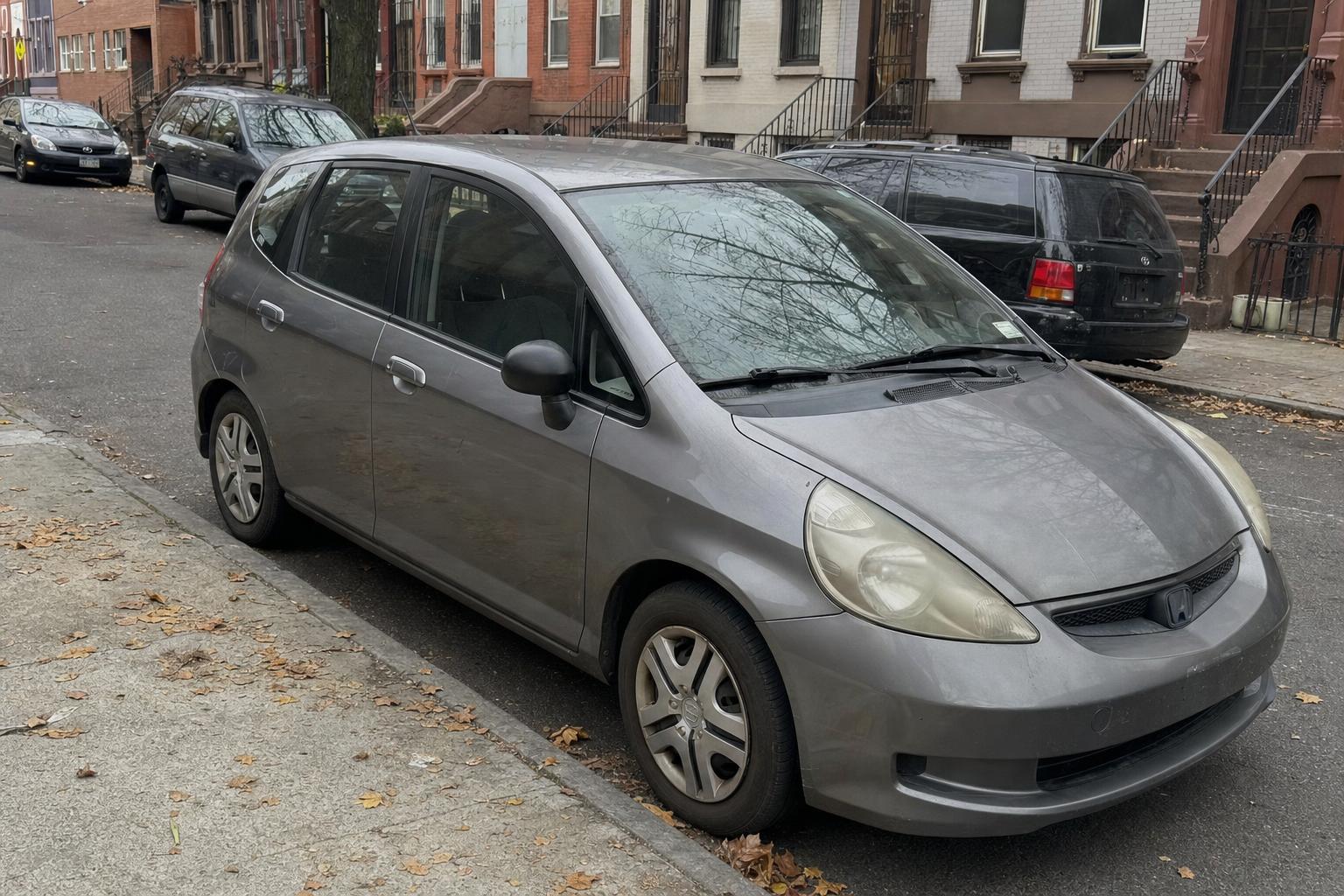
Gray compact hatchback parked at the curb on a Brooklyn street, in front of attached rowhouses with stoops and scattered fallen leaves.

Before donating your household’s last car, test how you will handle an ordinary week without it. Your plan should cover more than the commute: groceries, appointments, caregiving, weekend errands and the ride home after a late shift all matter. We want you to feel ready for that change before you start your Brooklyn car donation.

We operate locally in Staten Island and Brooklyn. When you are ready to donate, our team can answer your vehicle donation questions. First, give yourself time to build a transportation plan that works for everyone who depends on your car.

Map the trips your household actually makes

Start with your calendar and a week or two of travel notes. Ask every household member to contribute, including anyone you regularly drive. Record each destination, required arrival time, usual departure time and return trip.

  • Work and school: Include early starts, late finishes, activities and days when schedules overlap.
  • Shopping: List grocery runs, pharmacy visits and trips involving bulky or heavy purchases.
  • Care and appointments: Include recurring appointments, visits to relatives and any need for another person’s assistance.
  • Less frequent travel: Add weekend commitments, trips outside Brooklyn and seasonal responsibilities.

Mark which trips have fixed arrival times and which can move. Then write a possible replacement beside each one: walking, subway, bus, a paid ride, delivery or an agreed ride with someone you know. Leave a blank where you have not found a workable option. Those blanks deserve attention before you give up the car.

Test routes at the times you need them

Use the MTA’s trip-planning and service resources to look up your journeys and check service alerts. Plan the return journey separately, especially when you finish work late or travel on weekends.

Try a full week without using your car for routine travel, if practical. Keep the car available while you test the alternatives. Take your normal work bag, grocery trolley or other everyday items so the trial reflects your actual needs.

Record door-to-door time rather than only time aboard a train or bus. Include the walk to the stop, waiting, transfers and the final walk to your destination. Note whether you arrived comfortably or had to rush. Test a second route for any trip where one missed connection would create a serious problem.

Compare actual household costs

Use your own bills for the car side of the comparison: insurance, parking, fuel, tolls, maintenance and any loan payment. Separate recurring expenses from occasional ones, and count only savings that would actually follow from no longer having the vehicle.

For transit, the MTA’s current subway and bus fares list a $3 base fare for most subway and local bus riders and $7.25 for express buses. With the same OMNY card, payment card or device, fares are capped at $35 within a seven-day period for subway and local bus travel, or $67 including express buses.

Build your replacement budget for the whole household, not just one commuter. Add the paid rides, deliveries and occasional rentals you reasonably expect to use. Use receipts from your trial week and actual quotes for trips you could not test. Keep a separate allowance for unexpected travel rather than treating the cheapest possible week as your normal budget.

Make accessibility part of the route

If anyone needs step-free travel, start with the MTA’s accessible-trip tools and station resources. Check the complete journey, including transfers and the entrance you intend to use.

Check MTA elevator and escalator status before leaving. Write down an alternative route for an elevator outage, and test whether the extra walking or transfer is manageable for the person making the trip.

For eligible customers whose disabilities prevent them from using public buses and subways, MTA Access-A-Ride provides shared-ride paratransit service. Explore eligibility, application and booking arrangements before making it part of your household’s transportation plan.

Give late-night trips a separate backup

For each late shift or evening commitment, write down a primary route and a backup. Check service for the actual travel time, identify where you would wait and get a realistic price for a paid ride home. If you expect help from a friend or relative, agree on availability instead of leaving the arrangement open-ended.

Discuss what you will do if your phone battery runs out, a connection is missed or your usual companion cannot travel. Keep essential route details and contact numbers somewhere you can reach without your phone.

Donate when the plan works in practice

Review the trial together. Can everyone reach essential destinations on time? Does the budget include realistic backup travel? Have you resolved the trips that still depend on the car? If not, keep testing and adjust your donation timing.

Once you are comfortable with the change, explore our vehicle donation services. We provide towing at no cost to donors and answer questions about donating your vehicle. Start your donation online when your household is ready to take the next step.

by TroopsReliefFund
https://troopsrelieffund.org/wp-content/uploads/2026/11/brooklyn-last-car-transportation-plan-kobpla.jpg 1024 1536 TroopsReliefFund https://troopsrelieffund.org/wp-content/uploads/2017/04/logo.png TroopsReliefFund2026-11-04 16:00:002026-11-03 12:37:22Plan Everyday Transportation Before Donating Your Last Car in Brooklyn

Erase Your Personal Data Before Donating a Car on Staten Island

Staten Island Car Donation Tips

Sedan parked in a Staten Island driveway beside detached homes and autumn trees.

Before your staten island car donation, save the information you need, clear personal data from the vehicle, and disconnect its connected services. Your navigation system, paired phones, and vehicle apps deserve the same attention as your glove compartment. The Federal Trade Commission’s vehicle privacy checklist identifies saved addresses, contacts, app logins, and garage-door codes as information to remove before donating.

At Troops Relief Fund, we arrange free pickup at a convenient time and tow vehicles whether or not they run. Make your digital cleanup part of your own preparation before handing over the keys.

1. Save what you still need

Before deleting anything, make a short list of information you want to keep. Consider useful destinations, records you access through the vehicle app, and any personal files stored in the infotainment system. Copy needed details to a secure location you control, then check that you can open them without using the car.

  • Write down useful saved addresses without retaining unnecessary trip history.
  • Save any maintenance records or receipts you want for your personal files.
  • Remove your USB drives, memory cards, and other personal storage devices.
  • Ask other household drivers to check whether they have profiles or connected accounts to remove.

Find the owner’s manual for your exact model year and infotainment system before starting the reset. Keep those instructions available on your phone or in print.

2. Delete navigation history and paired phones

Check navigation menus for Home, Work, favorites, recent destinations, and saved routes. Clear the entries using your vehicle’s instructions. Also check for downloaded contacts, call history, saved app credentials, and programmed garage-door information. The FTC’s removal checklist can help you organize this sweep.

Remove each paired phone through the vehicle’s device settings, following the manual. On your phone, remove the vehicle’s saved connection as well. For an iPhone using CarPlay, the sequence is Settings, General, CarPlay, your vehicle, then Forget This Car, as shown in GMC’s CarPlay instructions. Use your phone manufacturer’s directions for other connection types.

3. Perform the correct infotainment reset

Use the manufacturer’s personal-data or factory-reset procedure for your particular vehicle, rather than borrowing instructions from a different model. Follow all displayed prompts and operating conditions, and allow the procedure to finish.

For example, Volvo’s factory-reset instructions vary by model and model year. Volvo states that its factory reset removes paired phones and stored data and settings. Its EX30 and EX90 models use different reset menu labels, illustrating why the exact instructions matter.

Afterward, inspect the accessible menus for your name, phone, contacts, and saved destinations. Consider keeping a private checklist of the settings you cleared. Do not reconnect your phone just to test the system.

4. Revoke connected-car access separately

Check the manufacturer’s app and online account for the procedure to remove your vehicle and end its connection to your account. Include any other household accounts linked to the car. Follow the manufacturer’s sequence, since account removal and an in-car reset may interact.

Deleting an app from your phone is not the same as disconnecting the vehicle. Ford’s connected-vehicle privacy instructions explain that deleting its app does not disable vehicle data sharing. Ford also identifies account-removal steps for vehicles with a Connectivity Device. Use the directions that apply to your own vehicle and equipment.

Review satellite radio, hotspot, and other vehicle subscriptions separately. A factory reset may leave those services active; the FTC recommends canceling or transferring them.

5. Finish your preparation before pickup

If the screen will not power on or you cannot complete a reset, contact the vehicle manufacturer or a dealer for model-specific help. You can still review account-removal options from your phone or computer while seeking assistance.

Keep digital preparation separate from arranging your donation: follow the manufacturer’s instructions for your data and accounts, and contact us to arrange vehicle pickup. Explore our Staten Island car donation options, start your donation online, or call us at 1-646-402-6102.

by TroopsReliefFund
https://troopsrelieffund.org/wp-content/uploads/2026/11/staten-island-car-donation-data-privacy-1dct3n.jpg 1024 1536 TroopsReliefFund https://troopsrelieffund.org/wp-content/uploads/2017/04/logo.png TroopsReliefFund2026-11-03 16:15:002026-11-01 09:34:11Erase Your Personal Data Before Donating a Car on Staten Island

When Is the Right Time of Year to Donate a Vehicle on Staten Island?

Staten Island Car Donation Tips

Silver sedan in a Staten Island driveway beside detached homes and trees with autumn leaves.

The right time for a Staten Island car donation is when you no longer need the vehicle, can make room in your schedule, and are ready to have it removed. You do not need to choose a season first. Start with your transportation needs and the date you would like your driveway or parking space back.

At Troops Relief Fund, we arrange pickup at no cost to you. We always make sure to choose a time that’s most convenient to you. Whether you are thinking about donating this November or waiting until your plans settle, your practical readiness is the best place to begin.

Decide whether you still need the vehicle

Before choosing a donation date, consider what the vehicle still does for your household. Is it your backup for errands, a car someone uses occasionally, or a vehicle that has been sitting unused? If you still rely on it, waiting until you have another transportation plan may make the decision easier.

If you have already stopped using it and want the space back, there may be little practical reason to wait for a different season. We accept cars, trucks, and motorcycles, including vehicles that do not run. A nonrunning vehicle does not need to become a spring project before you contact us about donating it.

Let the season shape your schedule, not your decision

Each season can bring different demands on your time. Rather than trying to identify a better month for donation, look for a manageable opening in your own calendar.

  • Fall: If you want the vehicle removed before holiday travel or household visits, start the conversation while you are planning those dates.
  • Winter: Think about when you will have time to gather your belongings and discuss a convenient pickup arrangement.
  • Spring: If clearing the driveway is part of your household cleanup, decide whether you are ready to part with the vehicle rather than putting the decision off again.
  • Summer: Consider vacations and any remaining need for the vehicle before selecting a time to donate.

These are planning considerations, not reasons to favor one season over another. Choose the timing that fits your life.

Work backward from when you want it removed

If you have a preferred removal date in mind, tell us when you get in touch. We arrange towing at a convenient time and location with you. Sharing your schedule early gives us a clear starting point for that conversation.

You can begin by phone or through our online donation form. After an online donation request, we contact you within 24 hours to arrange pickup. That contact is the scheduling step, so leave room in your plans to discuss the pickup itself.

A quick readiness check: donate now or wait?

  • You may be ready now if you no longer need the vehicle, want it removed, and can identify convenient times to discuss pickup.
  • A short wait may help if you still need it for upcoming trips or are not yet sure you want to let it go.
  • One small preparation task may be enough if your decision is made but you still want to check the cabin and trunk for personal belongings.

Try choosing a specific next step instead of an indefinite season. That might mean setting aside time this week to empty the vehicle, or deciding after your last planned trip whether you still need it.

Start when you are ready

Your donated vehicle is sold at auction or recycled into new materials, with proceeds benefiting charities partnered with Troops Relief Fund. When your vehicle and schedule are ready, we can help you take the next step.

Start your Staten Island car donation online, or call us at 1-646-402-6102 to discuss a convenient pickup time.

by TroopsReliefFund
https://troopsrelieffund.org/wp-content/uploads/2026/11/staten-island-car-donation-autumn-timing-ki6g6g.jpg 1024 1536 TroopsReliefFund https://troopsrelieffund.org/wp-content/uploads/2017/04/logo.png TroopsReliefFund2026-11-01 16:15:002026-11-01 09:33:51When Is the Right Time of Year to Donate a Vehicle on Staten Island?

Making a Staten Island Vehicle Donation Decision with Confidence

Staten Island Car Donation Tips

Silver sedan parked in a Staten Island driveway beside detached homes and autumn trees.

A confident vehicle donation decision starts with two questions: can you comfortably let the vehicle go, and does the cause reflect what you want your gift to support? If both answers are yes, donating may be a good fit. If you still need the car or need money from selling it, take time to weigh those needs first.

At Troops Relief Fund, donation proceeds go directly to local troops and veterans in the New York City area. We provide free vehicle pickup throughout Staten Island, whether your vehicle runs or not. Your decision can bring together a practical change at home and a meaningful way to support others.

Start with your transportation and household needs

Before deciding what to do with an unused vehicle, think about the role it still plays in your life. A car that rarely leaves the driveway may still be your backup for work, appointments or family responsibilities.

Ask yourself:

  • Will I need this vehicle in the next few months?
  • Do I have another workable way to handle the trips it currently covers?
  • Would anyone in my household be affected by letting it go?
  • Do I need sale proceeds for a replacement vehicle or another expense?

These questions help separate wanting more space from being ready to part with the car. You do not need to rush a charitable decision before your everyday needs are settled.

Compare donating with selling

If receiving money for the vehicle is your priority, consider whether a sale better serves your situation. Think about how much time you want to spend creating a listing, responding to inquiries and meeting prospective buyers.

If your priority is supporting troops and veterans while letting go of a vehicle you no longer need, donation offers a different path. With our free Staten Island pickup, you can discuss the vehicle with us rather than plan a private sale. We also accept vehicles that do not run, so a nonrunning car can still be part of your donation decision.

Choose a purpose that matters to you

The charitable reason deserves as much thought as the practical one. Consider whether supporting local troops and veterans is something you genuinely want your vehicle to help accomplish.

We support programs that assist veterans with assistance dogs, Wounded Warrior Project efforts and overseas care packages. You can explore reasons to donate your car to support troops and veterans as you consider whether our work matches your giving priorities.

You do not need an elaborate reason for giving. A sincere connection to the cause, together with readiness to let the vehicle go, can be enough to take the next step.

Bring your individual questions to us

Before you contact us, make a short list of anything you want to discuss. Useful details include the vehicle’s make and model, whether it runs, where it is located and any access concerns you have. These are conversation starters, not a substitute for asking about your particular situation.

  • Ask about pickup arrangements for your Staten Island location.
  • Describe the vehicle’s condition and any concerns you want to discuss.
  • Ask what information you should have ready before proceeding.
  • Tell us if timing is important to your decision.

Take the next step when you feel ready

A simple readiness check is to finish this sentence: I no longer need this vehicle, I am comfortable giving it rather than selling it, and I want to support local troops and veterans. If that describes your situation, you have a clear reason to move forward.

Call us at 1-646-402-6102 to talk through your questions, or start your donation online when you are ready.

by TroopsReliefFund
https://troopsrelieffund.org/wp-content/uploads/2026/10/staten-island-car-donation-decision-zzbi1u.jpg 1024 1536 TroopsReliefFund https://troopsrelieffund.org/wp-content/uploads/2017/04/logo.png TroopsReliefFund2026-10-31 16:15:002026-10-25 09:43:02Making a Staten Island Vehicle Donation Decision with Confidence
Page 1 of 11123›»

About Troops Relief Fund

We send overseas care packages and assist veterans with vet dogs, as well as provide support to the wounded warrior project. Donation proceedings go to Phillips Global ROTC Program for armed forces. Our focus is on the areas of Staten Island, Brooklyn, and Queens.

Learn More

Contact Us

Phone: 1-646-402-6102

Address: 400C Victory Boulevard
Staten Island, NY 10301
(Staten Island Chapter)

P.O. Box:PO Box 140580
Howard Beach, NY 11414

How It Works

Call Us! (or Click)
Speak to a professional who will walk you through our fast and easy process. (You can also click here and do everything yourself online!)
Schedule Your Pickup
We always make sure to choose a time that’s most convenient to you. You tell us where your vehicle can be picked up, and we’ll do everything else!.
Donation
Your vehicle will be sold in an auction or recycled into new materials. The proceeds from either of these sales will benefit the charities that have partnered with Troops Relief Fund.
Tax Deduction
Finally, once we have your donation, we mail you a tax-deductible receipt. Save it, and use it on next year’s taxes to claim your deduction. It’s that easy!.

© Copyright - Troops Relief Fund Web Design by NB Technologies
Scroll to top Scroll to top Scroll to top