Staten Island Car Donation | Troops Relief Fund
  • Home
  • How To Donate
  • Our Mission
  • Our Services
  • Why Donate Your Car?
  • Blog
  • Donate
  • Menu Menu

What Happens to a Donated Vehicle After Pickup in Brooklyn?

Brooklyn Car Donation Tips

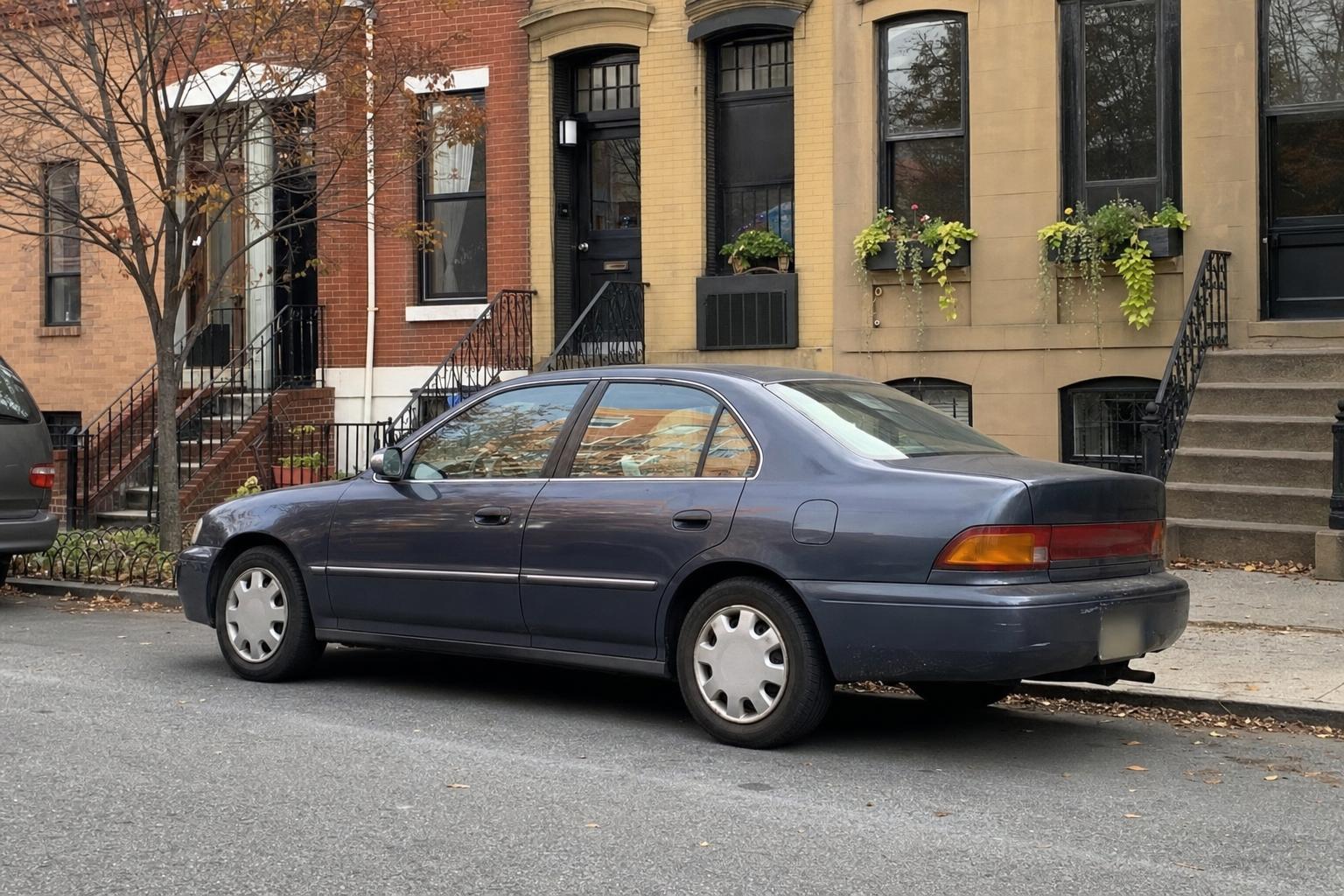
A car parked beside brownstone rowhouses on a Brooklyn residential street.

After pickup, we sell a donated vehicle at auction or recycle it into new materials. Proceeds from either pathway benefit our partner charities. For someone considering a Brooklyn car donation, that means an unused car, truck, or motorcycle can help support charitable work beyond the day it leaves the driveway.

From pickup to auction or recycling

Pickup is the handoff between the donor and the donation program. We arrange towing at no cost to you and work with you to choose a convenient time. When you contact us, share where the vehicle is located and when you can make it available.

After that handoff, auction and recycling provide two ways to turn the donated vehicle into charitable proceeds. Both routes can generate proceeds for our partner charities.

When a donated vehicle goes to auction

An auction turns the vehicle into proceeds through a sale. Those proceeds benefit our partner charities. For the donor, the donation process begins with contacting us and arranging pickup.

If you have a question about the likely pathway for your particular vehicle, bring it up when you call. Sharing the vehicle type and its condition gives you a practical starting point for that conversation. You can also write down any questions you want answered before choosing a pickup time.

When a donated vehicle is recycled

Recycling turns a donated vehicle into materials that can be used again. Proceeds from this pathway also benefit partner charities. It connects the donation with both material reuse and charitable support.

An unused vehicle does not have to remain parked while you decide what to do with it. We accept cars, trucks, and motorcycles in Brooklyn, including vehicles that do not run. If your vehicle is no longer being used, contacting us is a practical way to explore donation.

How the proceeds help

We support assistance dogs for veterans, overseas care packages for active troops, and local Wounded Warrior Project efforts. Vehicle donations contribute to that charitable mission through auction or recycling proceeds.

For donors, the useful connection is between a vehicle they are ready to give up and the support that donation can help make possible. Whether your starting point is clearing space or supporting veterans, understanding the process can help you decide whether donation fits your plans.

Keep your donation paperwork together

After receiving your donation, we mail a donation receipt. Keep that paperwork with your other records so it is available when you prepare your taxes. Saving your contact details and any correspondence together can also make later questions easier to organize.

To discuss your vehicle or arrange pickup, call 1-646-402-6102 or use the Brooklyn car donation form. If you have a specific question about what happens after pickup, include it in that conversation.
by TroopsReliefFund
https://troopsrelieffund.org/wp-content/uploads/2026/10/brooklyn-car-donation-after-pickup-52zfgj.jpg 1024 1536 TroopsReliefFund https://troopsrelieffund.org/wp-content/uploads/2017/04/logo.png TroopsReliefFund2026-10-14 17:14:402026-10-14 17:17:25What Happens to a Donated Vehicle After Pickup in Brooklyn?

Donating an SUV on Staten Island: What to Share First

Staten Island Car Donation Tips

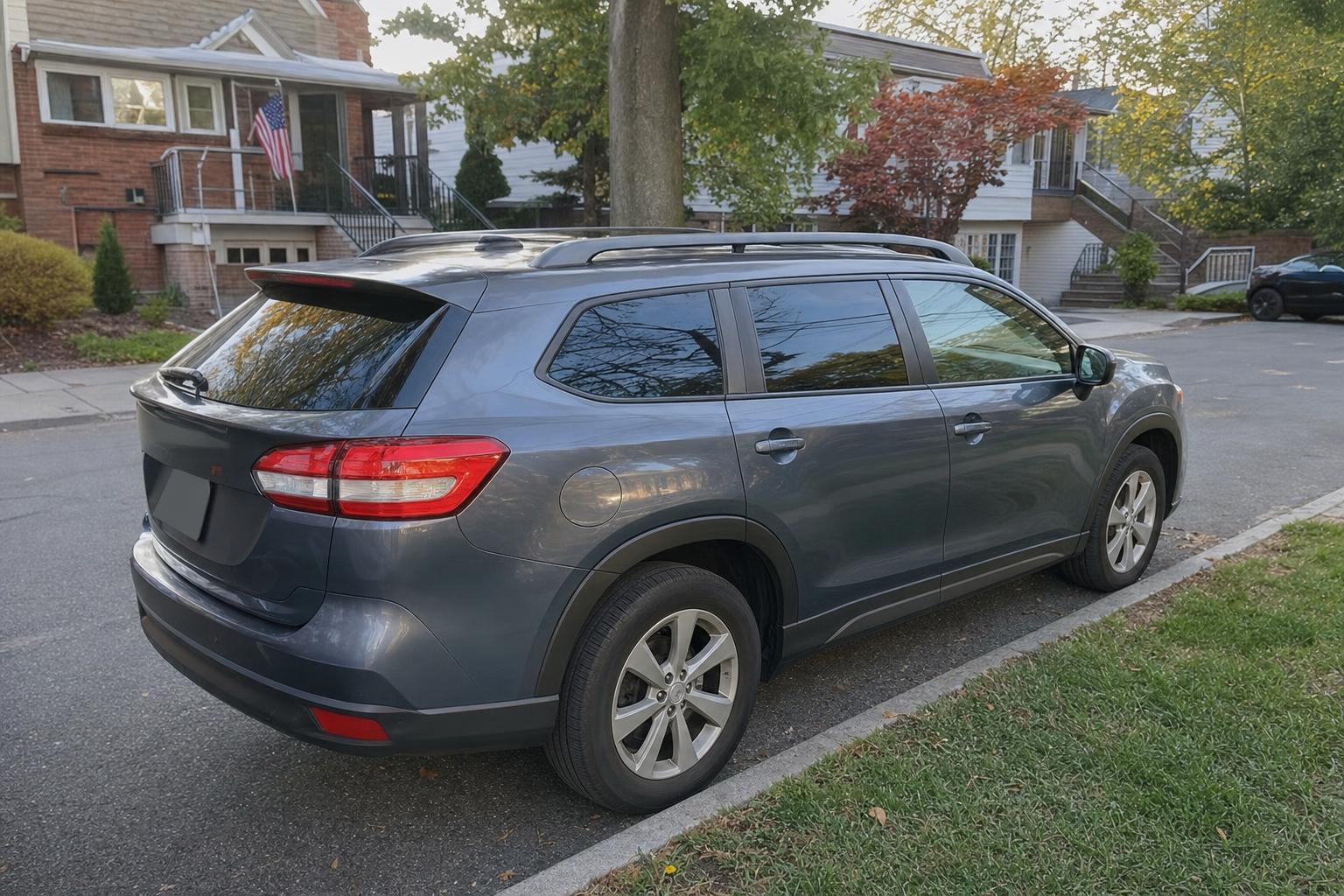
SUV parked on a tree-lined residential street on Staten Island

If you are considering a staten island car donation and your vehicle is an SUV, a few details can help make your first conversation more useful. Describe the vehicle accurately, explain where it is, and ask directly about eligibility and pickup logistics. Do not assume an SUV has the same acceptance details as another vehicle type.

Have the SUV details ready

Before calling or using the online form, note the basics. You do not need to guess at information you do not know; say so and ask what details are needed to continue.

  • Make, model, and approximate year: These identify the vehicle and help distinguish its size and configuration.
  • Condition: Say whether it starts, moves, and has any known mechanical or body issues. Mention missing parts or damage if relevant.
  • Location: Give the Staten Island neighborhood or nearest cross streets, plus whether the SUV is in a driveway, garage, or curbside space.
  • Access: Note anything that could affect reaching or moving it, such as a narrow approach, a blocked-in parking spot, or limited clearance. Ask whether the proposed pickup arrangement can accommodate the location.
  • Timing and contact: Have a preferred pickup window in mind and a reliable way to be reached if the schedule needs discussion.

These are practical details to share, not special TRF SUV requirements. The page does not list SUV-specific acceptance terms, so confirm them rather than treating this checklist as an eligibility rule.

Questions to ask about pickup

Ask whether TRF can accept your particular SUV, including its condition, and what information or steps are needed next. Confirm the pickup address, how the vehicle should be positioned, who needs to be present, and whether you should prepare anything before the scheduled time. If the SUV cannot move under its own power, explain that clearly and ask how pickup would be handled.

TRF’s Staten Island car donation page says vehicle pickup is arranged at no cost to the donor and at a time and place that is convenient. The page describes calling to provide information and schedule pickup, or submitting the form for follow-up. Ask the staff to confirm the details for your specific vehicle and location.

Keep ownership and records questions clear

Ask what documents or ownership information you should have available and what happens after pickup. Requirements can depend on the vehicle and your circumstances, so do not rely on a general checklist as legal or tax advice. Keep copies of any records you receive, and consult a qualified tax professional for questions about reporting or any possible deduction.

TRF’s page says a preliminary tax receipt is mailed after the donation and explains that donated vehicles may be sold at auction or recycled, with proceeds benefiting its partnered charities. Those statements do not determine an individual donor’s tax treatment. For your first inquiry, the most useful approach is simple: describe the SUV honestly, share its exact location and condition, and ask what TRF can confirm before setting a pickup time.

by TroopsReliefFund
https://troopsrelieffund.org/wp-content/uploads/2026/10/staten-island-suv-donation-inquiry-djddys.jpg 1024 1536 TroopsReliefFund https://troopsrelieffund.org/wp-content/uploads/2017/04/logo.png TroopsReliefFund2026-10-14 16:15:002026-10-12 10:31:14Donating an SUV on Staten Island: What to Share First

Donating a Motorcycle in Brooklyn: Questions to Ask First

Brooklyn Car Donation Tips

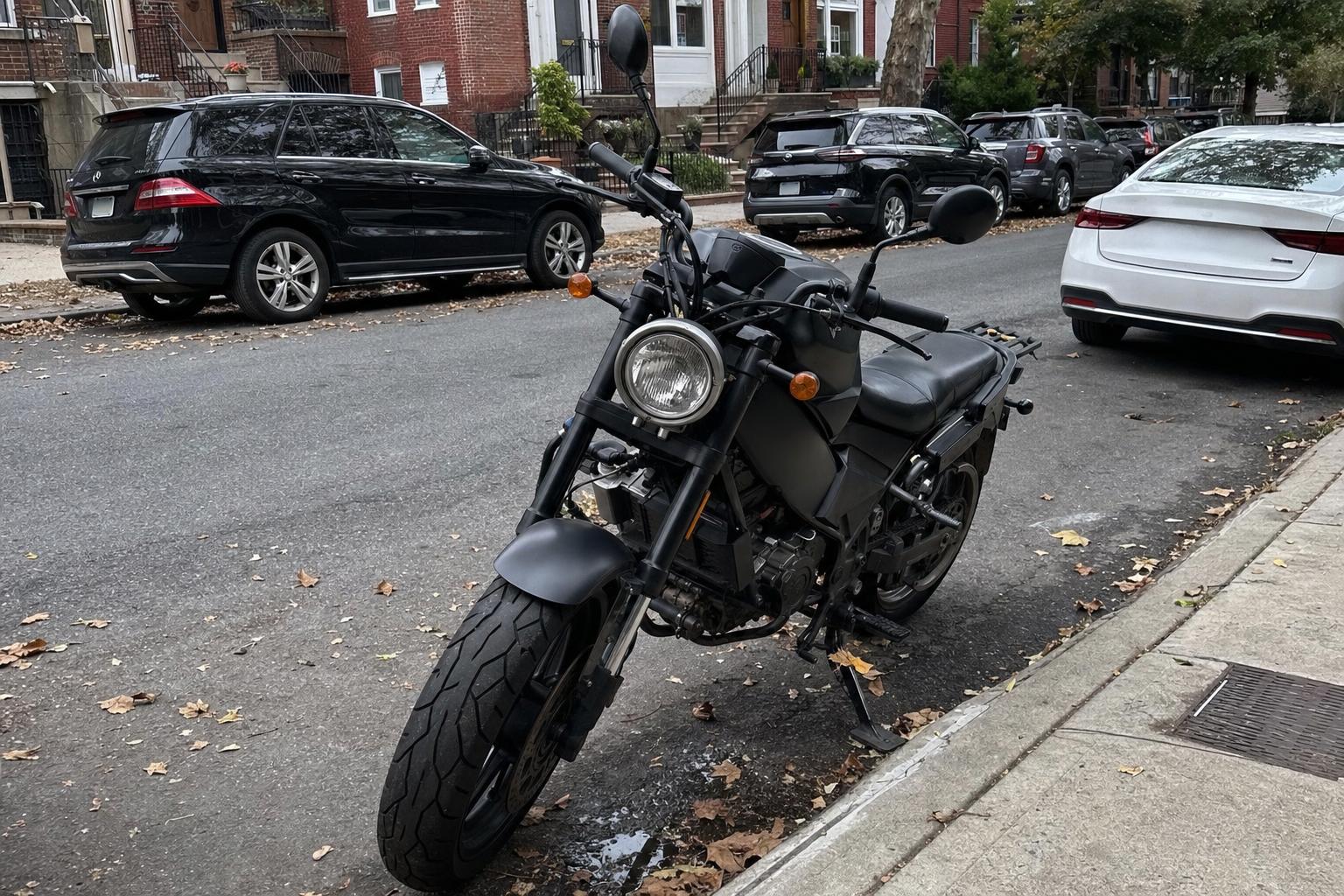
A motorcycle parked beside a brownstone stoop on a Brooklyn residential street.

Thinking about a Brooklyn car donation involving a motorcycle? Before arranging a handoff, confirm the details that are specific to your bike and pickup location. Troops Relief Fund’s Brooklyn page says its program accepts motorcycles in any condition, but it does not spell out every motorcycle-specific pickup or paperwork step. Asking a few clear questions can help you prepare without assuming special arrangements.

What does TRF’s Brooklyn page confirm?

The Brooklyn vehicle donation page lists trucks, cars, and motorcycles as accepted vehicle types, in any condition. It also says pickup is arranged at no cost to the donor and scheduled for a time that works for the donor. The page describes starting by phone or through its online form; it says online donors will be contacted within about 24 hours to schedule pickup. Its wording does not provide a separate motorcycle procedure, so ask staff to confirm how the process applies to your particular bike.

Questions to ask before scheduling

  • Can you arrange pickup for my motorcycle at this address? Give the Brooklyn location and explain any access details, such as a narrow driveway, locked garage, or limited curb access. Ask what space needs to be available.
  • How should I describe its condition? Mention whether it starts, rolls, has a flat tire, or is missing parts. The page says motorcycles in any condition are accepted, but sharing specifics helps staff discuss the pickup.
  • What should I have ready for the handoff? Ask which ownership or other documents, if any, you should prepare, and confirm what to do if the title or registration situation is unusual. Do not assume that motorcycle paperwork is identical to car paperwork.
  • Do you need keys or anything else with the bike? Confirm this directly rather than leaving accessories, keys, or personal items on the motorcycle without instructions.
  • How will timing and follow-up work? Ask what pickup windows are available and how you will receive confirmation. TRF’s page says staff coordinate a suitable time, but the exact slot should be confirmed for your donation.

Keep the paperwork question separate

The Brooklyn page says a tax receipt will be mailed after the donation. That is not a promise of a particular tax result. Tax treatment depends on current rules and individual circumstances, so keep any documents you receive and consult a qualified tax professional about how they apply to you. Also ask TRF what document it will send and when to expect it.

For a Brooklyn motorcycle donation, start by giving staff an accurate description of the bike and its location, then confirm access, documents, and timing before pickup. TRF lists 1-646-402-6102 for questions and donations, and its page also offers an online form. A short conversation can clarify the details the published page does not specify.

by TroopsReliefFund
https://troopsrelieffund.org/wp-content/uploads/2026/10/brooklyn-motorcycle-donation-street-kkhzkk.jpg 1024 1536 TroopsReliefFund https://troopsrelieffund.org/wp-content/uploads/2017/04/logo.png TroopsReliefFund2026-10-14 16:00:002026-10-12 10:22:19Donating a Motorcycle in Brooklyn: Questions to Ask First

Can You Donate a Car That Has Been Sitting Unused for Months?

Staten Island Car Donation Tips

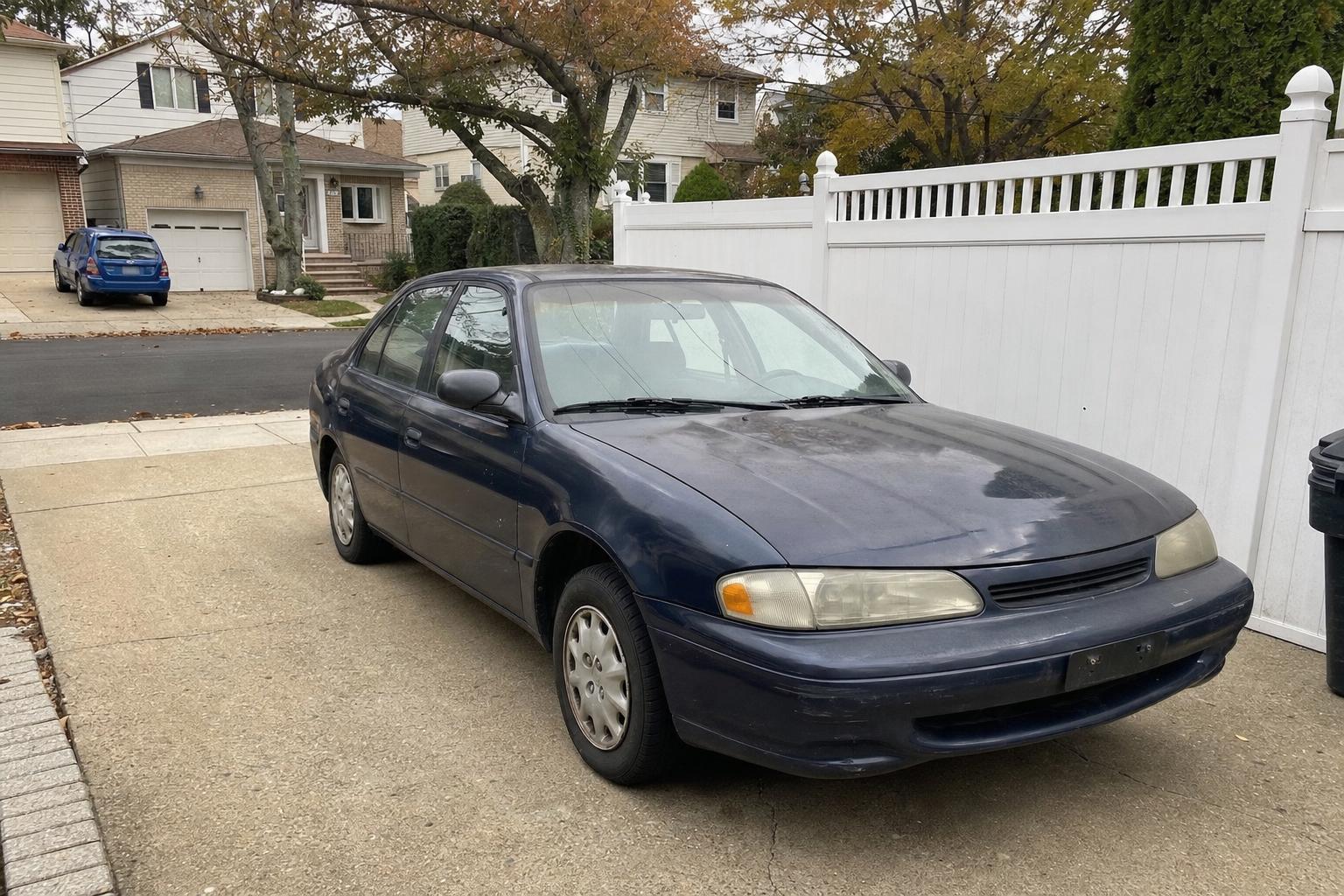
Older sedan parked in a residential Staten Island driveway beneath autumn trees

Yes, a car that has been sitting unused for months may still be worth asking about. A long period off the road does not, by itself, mean the vehicle cannot be donated. The practical next step is to describe its current condition and confirm the arrangements directly before making plans.

Troops Relief Fund’s Staten Island car donation page says its program accepts cars, trucks, and motorcycles whether or not they are in working condition. That answers an important first question for owners of a vehicle that no longer starts or has been parked for a long time. It does not establish that every vehicle or situation has identical arrangements, so share the details and ask what to expect.

What to tell the donation team

Before calling or completing the online form, make a short, accurate note of what you know. You do not need to diagnose every mechanical problem. Useful details to share may include:

  • How long the vehicle has been unused, if you know.
  • Whether it starts, moves, or has a known mechanical issue.
  • Whether the tires appear flat or the vehicle is difficult to access.
  • Where it is parked and any practical access constraints, such as a narrow driveway or a blocked-in position.
  • Whether you have the keys and any questions about the vehicle documents.

Be straightforward about uncertainty. If you have not tried starting the car recently, say so rather than guessing. Condition information helps the team discuss next steps; it is not a reason to assume a particular pickup method or requirement.

Questions to ask before scheduling

Ask whether the vehicle’s described condition can be accommodated and what information or paperwork you should have ready. Explain how the car is positioned and whether it can roll or be reached easily. Confirm the proposed pickup location and timing with the team, and ask what you should do with the keys or personal items. If ownership or documentation is unclear, ask what applies to your situation before arranging a handoff. Requirements can depend on individual circumstances, so avoid relying on a general checklist as a substitute for confirmation.

Troops Relief Fund’s page says it arranges vehicle pickup and asks donors to provide a convenient time and place. It also says donors can call 1-646-402-6102 or use the online form to begin. When you contact the organization, describe the vehicle as it is now, not as it was the last time it ran.

A useful first step

If an unused vehicle is taking up space on your Staten Island property, start with a clear condition summary and a few direct questions. A non-running status does not automatically rule it out under the program description. Confirm the details with Troops Relief Fund, then decide whether the arrangements work for your vehicle and circumstances.

by TroopsReliefFund
https://troopsrelieffund.org/wp-content/uploads/2026/10/staten-island-unused-car-donation-vehicle-unt7fi.jpg 1024 1536 TroopsReliefFund https://troopsrelieffund.org/wp-content/uploads/2017/04/logo.png TroopsReliefFund2026-10-13 16:15:002026-10-11 09:22:13Can You Donate a Car That Has Been Sitting Unused for Months?

A Business Owner’s Checklist Before Donating a Vehicle

Staten Island Car Donation Tips

A used vehicle parked on a tree-lined residential street on Staten Island

Before arranging a staten island car donation for a business vehicle, get clear on two things: what the vehicle is and who has authority to donate it. A little preparation can make the first conversation more useful, without assuming that a business donation follows the same steps as a personal one.

Make a basic vehicle record

Gather the details you can confirm, then ask the donation professional what else is needed. You do not need to guess at a process or resolve every question before making an inquiry.

  • Record the vehicle’s year, make, model, and general condition. Note whether it currently runs.
  • Write down where the vehicle is located and any practical access or scheduling considerations.
  • Identify the business or other party listed on the ownership documents, if known.
  • Locate relevant vehicle and business records so the person handling the donation can check them.
  • List any questions about authorization, paperwork, timing, and what happens after pickup.

For a vehicle held by a company, do not assume that any employee can approve its donation. Check internally who is authorized to make that decision and whether the business needs to document its approval. This is general organizational preparation, not legal or tax advice.

Questions to ask before scheduling

When you contact Troops Relief Fund, explain that the vehicle is associated with a business and ask what information they need to discuss it. Useful questions include:

  • Can you confirm whether this vehicle type and condition can be considered?
  • What vehicle details or documents should we have ready?
  • Who should be available to coordinate pickup, and what location details do you need?
  • How is pickup arranged, and what should we expect about timing?
  • What receipt or other documentation is provided after the vehicle is received?

These are questions to clarify, not special business procedures or eligibility rules. The Staten Island car donation page says the program accepts cars, trucks, and motorcycles whether or not they are in working condition. It also says Troops Relief Fund arranges pickup at no cost and schedules a time and place with the donor. Confirm the details for your vehicle directly.

Keep the donation decision separate from tax advice

Business ownership can raise accounting, authorization, and tax questions that depend on the particular organization and circumstances. Do not treat a general donation conversation or receipt as a determination of how the transaction should be recorded or whether a deduction applies. Ask your accountant or qualified tax adviser about the business’s situation, and ask the donation professional about the program’s process and documents.

Troops Relief Fund’s page says donors can call 1-646-402-6102 to speak with a car donation professional or use the form on the page. It says a phone inquiry allows staff to collect information and schedule pickup; for online submissions, the page says staff will get in touch within 24 hours to schedule pickup. Starting with a concise vehicle record and these questions can help a Staten Island business owner make that conversation productive.

by TroopsReliefFund
https://troopsrelieffund.org/wp-content/uploads/2026/10/staten-island-business-vehicle-donation-checklist-5goobn.jpg 1024 1536 TroopsReliefFund https://troopsrelieffund.org/wp-content/uploads/2017/04/logo.png TroopsReliefFund2026-10-12 16:15:002026-10-11 09:21:14A Business Owner’s Checklist Before Donating a Vehicle

Planning a Pickup for Multiple Vehicles in Brooklyn

Brooklyn Car Donation Tips

A parked car on a Brooklyn residential block with rowhouses, stoops, and curbside parking

Donating more than one vehicle raises a practical question: can the pickups be coordinated, and what information should you have ready? If you are arranging a brooklyn car donation for several vehicles, prepare a separate list for each one and ask Troops Relief Fund how scheduling can work. Do not assume the vehicles can be collected together or in one visit.

Make a clear vehicle list

Before you call or submit a donation form, list each vehicle separately. Include its make, model, approximate year, type, condition, and parking location. Note access details, such as a tight driveway, garage, or location where someone may need to meet the pickup. This information helps explain your situation but does not guarantee a particular arrangement.

Write down questions about ownership or documents for each vehicle. Requirements may depend on the circumstances, so do not assume one vehicle’s paperwork answers questions about another. If there are multiple owners or you are unsure who can authorize a donation, ask before scheduling and check applicable requirements with the relevant authority or a qualified tax professional.

Ask about coordination, not just dates

When contacting TRF, say that you are asking about multiple vehicles and share your list. Ask whether each needs separate donation information, whether timing can be discussed together, and whether separate appointments may be needed. These are questions to confirm with staff, not stated TRF policies.

The Brooklyn donation page says, “We make sure to choose a time that’s optimum to your needs and schedule,” and asks donors to share where and when pickup is possible. It says donors can call or use the online form. For a phone donation, staff collect the information needed to schedule pickup; for an online donation, the page says staff will contact the donor within about 24 hours to schedule. None of this confirms that multiple vehicles will be collected at once, so ask staff directly.

Share useful pickup details

Give a realistic availability window and say whether the vehicles are at the same address. If they are in different places, list each location and describe access limits. In Brooklyn, explain the actual parking and approach conditions rather than assuming a standard street-side pickup. Ask what access information staff needs and whether you should be present.

TRF’s Brooklyn page says its program accepts cars, trucks, and motorcycles in any condition, and that pickup is arranged at no cost to the donor. Confirm that each vehicle fits the program and ask about its individual pickup details. The page also says a tax document is mailed after donation. Keep your records and consult a tax professional about your own filing situation.

A vehicle-by-vehicle list and specific questions can make the conversation more organized, while leaving the pickup plan to confirmation with staff. For current process details, use the linked Brooklyn page or contact TRF.

by TroopsReliefFund
https://troopsrelieffund.org/wp-content/uploads/2026/10/brooklyn-multiple-vehicle-donation-pickup-qm2qzs.jpg 1024 1536 TroopsReliefFund https://troopsrelieffund.org/wp-content/uploads/2017/04/logo.png TroopsReliefFund2026-10-12 16:00:002026-10-12 10:22:07Planning a Pickup for Multiple Vehicles in Brooklyn

How to Discuss Donating a Shared Vehicle with Family

Staten Island Car Donation Tips

An older sedan parked on a quiet Staten Island residential street lined with detached homes and trees.

Considering a staten island car donation for a vehicle shared with family? Start with a conversation, not a pickup request. Discuss why the vehicle might be donated, when a decision could make sense, and who will contact Troops Relief Fund if the family wants more information. These are discussion steps, not statements of legal consent or ownership requirements.

Agree on the purpose first

People may value the same vehicle differently. One relative may see an unused car taking up space, while another remembers its sentimental value or expects to use it again. Before discussing logistics, ask what each person hopes to accomplish. Is the family looking to stop maintaining a vehicle no one uses, support a charitable cause, or understand its options? There is no need to rush toward an answer.

Try asking:

  • How often is the vehicle being used, and by whom?
  • Would anyone prefer to keep, sell, or continue using it?
  • What information would help us compare donation with those alternatives?
  • Is there a concern we should resolve before contacting anyone?

Talk about timing and practical details

A family can discuss a possible timeframe without committing to a date. Consider whether anyone depends on the vehicle, whether it is parked somewhere accessible, and whether the family needs time to discuss next steps. Avoid promising a pickup date or assuming how arrangements work until you have asked TRF directly.

It may help to write down questions together. The Staten Island page says TRF accepts cars, trucks, and motorcycles, including vehicles that are not in working condition. It also says staff can answer questions. The page describes pickup arrangements at a time and place convenient to the donor, but your family can confirm details for its situation.

Choose one point of contact

If the family decides to ask for information, agree on who will make the initial inquiry and how they will share the response. A point person can keep notes, relay answers, and bring unresolved questions back to the group. Choosing someone to call is a practical communication step. It does not establish who is authorized to make decisions or complete paperwork.

TRF’s page invites people to call about Staten Island vehicle donation and says its staff is ready to answer questions. Review the page together before deciding what to ask. For ownership, legal, or tax questions, seek appropriate guidance rather than assuming a donation process answers them.

Make the decision together

After gathering information, revisit the purpose, timing, and remaining concerns. If relatives disagree, pause and identify what information or discussion might help. A considered decision can be more useful than a rushed one. The first conversation need not settle every detail; it can help the family understand the choice and know what to ask next.

by TroopsReliefFund
https://troopsrelieffund.org/wp-content/uploads/2026/10/staten-island-shared-car-donation-family-ebylqn.jpg 1024 1536 TroopsReliefFund https://troopsrelieffund.org/wp-content/uploads/2017/04/logo.png TroopsReliefFund2026-10-11 16:15:002026-10-11 09:22:03How to Discuss Donating a Shared Vehicle with Family

What If More Brooklyn Neighbors Donated Unused Vehicles?

Brooklyn Car Donation Tips

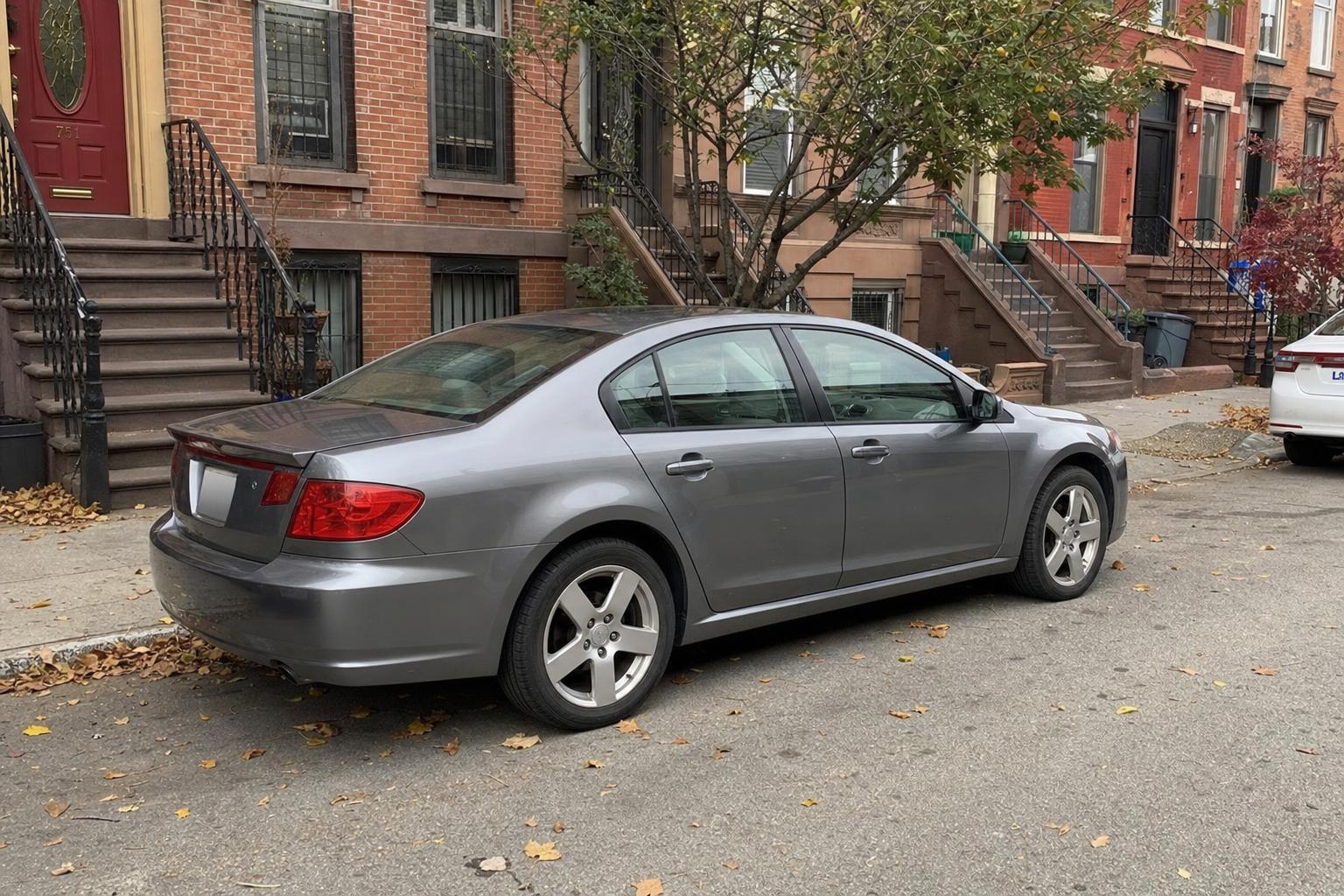
An ordinary used car parked along a Brooklyn brownstone block with stoops and curbside parking.

What might change if more Brooklyn neighbors donated vehicles they no longer use? Not a measurable borough-wide result we can responsibly predict. The useful answer is more modest: each owner can make an individual choice, and the route chosen for that vehicle may create proceeds.

Brooklyn is made up of many blocks, from brownstone-lined streets to apartment corridors where parking is limited. An unused vehicle can occupy space and require attention. Deciding what to do is personal.

For a Brooklyn car donation made through Troops Relief Fund, the Brooklyn page says donated vehicles are sold at auction or recycled for new materials. It says proceeds from either route benefit charities partnered with the Fund.

This distinction matters when thinking about community participation. One donation does not establish how much money will be raised, which charity will receive support, or what a future collective total might be. Details depend on individual vehicles and eventual proceeds, so avoid treating a hypothetical as a promised outcome.

A neighbor considering a donation can start with a practical question: is the vehicle no longer needed, and is donation the right option for its owner? Compare choices based on your circumstances. A vehicle’s age, condition, title situation, or personal attachment may affect what you decide to do next.

The Brooklyn page says the program accepts cars, trucks, and motorcycles in any condition. It also says the Fund can arrange pickup and will tow at an optimal time for the donor. Ask the Fund directly about your vehicle and current arrangements rather than assuming every detail applies automatically.

For questions or to begin, the page lists a phone option and an online donation form. It says staff collect information to schedule pickup when a donor calls, and that online submissions receive follow-up within about 24 hours. Confirm the process and timing with the Fund before making plans.

After donation, the page says the vehicle is auctioned or recycled, and that proceeds benefit partner charities. This pathway is not a promise. If many people made independent choices, their combined support would still depend on what each vehicle ultimately yields.

Before deciding, gather the vehicle details you have and ask any questions that matter to you, including how pickup is arranged and what documentation is provided. For tax questions, consult current official guidance or a qualified tax professional. Do not assume donation guarantees a deduction or a specific tax result.

Community participation does not require a shared target or a prediction about Brooklyn. It can begin with one informed decision by one owner. If your unused vehicle is a candidate, review the Brooklyn donation information, confirm current details with Troops Relief Fund, and choose what fits your situation.

by TroopsReliefFund
https://troopsrelieffund.org/wp-content/uploads/2026/10/brooklyn-car-donation-unused-vehicle-yreykg.jpg 1024 1536 TroopsReliefFund https://troopsrelieffund.org/wp-content/uploads/2017/04/logo.png TroopsReliefFund2026-10-11 16:00:002026-10-10 21:52:43What If More Brooklyn Neighbors Donated Unused Vehicles?

Donating or Selling a Car on Staten Island: A Decision Framework

Staten Island Car Donation Tips

A car parked on a residential street in Staten Island

If you have a car you no longer need on Staten Island, the choice between selling it and donating it comes down to what matters most to you. A private sale may suit you if you want to handle the sale yourself and compare offers. Donation may be a better fit if you would rather put the vehicle toward charitable support and have pickup arranged. Think about the car’s condition, how much time you want to spend, and what outcome feels most meaningful.

When selling may make sense

Selling gives you the opportunity to seek payment for a vehicle. Before deciding, consider the work involved: preparing a listing, responding to inquiries, arranging viewings, and handling the transaction. The time and effort can vary depending on the vehicle and your circumstances. You may want to compare the amount you expect to receive with the attention required to complete a sale.

Think through practical details before you list. Gather the vehicle information you have, consider its condition, and decide how you will manage questions and appointments. If the car does not run, account for the extra logistics of moving it. Your own priorities matter: a possible sale price may be important to you, while convenience or charitable impact may carry more weight for someone else.

When donating may fit your priorities

At Troops Relief Fund, we accept cars, trucks, and motorcycles, including vehicles that do not run. We arrange pickup and towing at no cost to the donor, at a convenient time and location arranged with you. Donated vehicles are sold at auction or recycled into new materials, and the proceeds benefit charities partnered with us. We support charities helping military personnel, veterans, and their families in the New York City area.

Our work also supports assistance dogs for veterans, overseas care packages for active troops, and local Wounded Warrior Project efforts. If contributing through a vehicle feels more important than managing a private sale, donation can offer a direct way to put a vehicle you no longer need toward this charitable work.

You can learn about our Staten Island car donation option and choose whether it fits your situation. We mail a donation receipt after receiving the vehicle. Keep that receipt with your personal records. If you have questions about how a receipt relates to your own tax situation, consider getting advice from a qualified tax professional.

Compare the choice with your circumstances

  • Your priority: Are you looking to pursue a sale, or would you rather direct the vehicle toward charitable support?
  • Your time: Do you want to manage conversations and a transaction, or would arranged pickup better suit your schedule?
  • Vehicle condition: Is the car running, or would moving a nonrunning vehicle make a private sale more complicated? We accept vehicles that do not run.
  • Your next step: Would you prefer to begin a donation by phone or online?

There is no single right answer for every Staten Island vehicle owner. Consider what you could realistically get from selling, how much effort you are willing to put into it, and whether supporting charities through your vehicle is appealing. You can also make a short list of questions before choosing, such as how pickup will fit your location and schedule or what information you should have ready when you contact us.

Ready to explore donating?

We serve Staten Island and Brooklyn, and you can begin by calling us or completing our online donation form. After an online donation request, we contact you within 24 hours to arrange pickup. We will work with you to find a convenient time and location for the vehicle pickup.

Start your donation online or call us at 1-646-402-6102. If selling better matches your goals, take the time you need to weigh the expected effort against your priorities. If you choose donation, we can help you take the next step for your car, truck, or motorcycle.

by TroopsReliefFund
https://troopsrelieffund.org/wp-content/uploads/2026/10/staten-island-car-donation-decision-nymify.jpg 1024 1536 TroopsReliefFund https://troopsrelieffund.org/wp-content/uploads/2017/04/logo.png TroopsReliefFund2026-10-10 21:45:002026-10-14 17:19:31Donating or Selling a Car on Staten Island: A Decision Framework

Staten Island Car Donation: Local Impact Spotlight: How Donations Strengthen Staten Island

Staten Island Car Donation Tips

Staten Island car donation can have a meaningful local effect when the vehicle you no longer need helps support a mission rooted in your own community. Through Troops Relief Fund, an unused car, truck, or motorcycle can become funding that supports veterans and their families while also creating benefits that stay close to home.

Troops Relief Fund is a 501(c)(3) vehicle donation program based in Staten Island. Its mission is to help veterans and their families lead more fulfilling and stable lives. The organization serves Staten Island, Brooklyn, and parts of New Jersey, and it raises funds primarily through donated vehicles that are auctioned or recycled.

Local Impact Spotlight: How Donations Strengthen Staten Island

Local impact is often easiest to see when support begins in the same community where the donation is made. That is part of what makes donating through Troops Relief Fund so meaningful. A vehicle that has become unused in Staten Island can be turned into resources that help fund veteran-focused support, while also creating value through local pickup, towing, processing, auction preparation, and recycling activity.

According to the information available, proceeds from donated vehicles can support military personnel and veterans in the New York City area, including help connected to vet dogs, overseas care packages, and local support for the Wounded Warrior Project. That means the impact of one vehicle donation can extend beyond the donor and reach individuals and families connected to the veteran community.

There is also a practical neighborhood benefit. Unused vehicles often take up space, lose value over time, and become one more item people plan to deal with later. Donating gives that vehicle a new purpose while helping strengthen the kind of community support that starts locally and grows outward.

How the donation process works

  • Step 1: Answer a few simple questions by phone or through the website form.
  • Step 2: Schedule a convenient pickup time and place.
  • Step 3: The vehicle is towed for auction or recycling.
  • Step 4: Proceeds help support veterans and military-focused assistance efforts.
  • Step 5: You receive a preliminary tax receipt and documentation intended to support the biggest possible tax deduction allowed by law.

Why that local impact matters

  • It helps fund veteran-focused support. Donated vehicles create proceeds that can benefit veterans and their families.
  • It supports local services. Towing, logistics, auction handling, and recycling all involve work connected to the community.
  • It encourages recycling. Vehicles that are no longer roadworthy can still provide usable parts and recyclable materials.
  • It turns clutter into purpose. An unused vehicle can become a direct contribution to a cause with local roots.

A simple next step

If you are ready to begin staten island car donation, visit Troops Relief Fund’s staten island car donation information page or call 1-646-402-6102. When you donate locally, the impact can stay local too — and that is part of what makes the choice so powerful.

by TroopsReliefFund
https://troopsrelieffund.org/wp-content/uploads/2026/03/bernd-dittrich-cM2-JEJuNe0-unsplash.jpg 1280 1920 TroopsReliefFund https://troopsrelieffund.org/wp-content/uploads/2017/04/logo.png TroopsReliefFund2026-03-23 13:07:242026-03-23 13:07:24Staten Island Car Donation: Local Impact Spotlight: How Donations Strengthen Staten Island
Page 2 of 7‹1234›»

About Troops Relief Fund

We send overseas care packages and assist veterans with vet dogs, as well as provide support to the wounded warrior project. Donation proceedings go to Phillips Global ROTC Program for armed forces. Our focus is on the areas of Staten Island, Brooklyn, and Queens.

Learn More

Contact Us

Phone: 1-646-402-6102

Address: 400C Victory Boulevard
Staten Island, NY 10301
(Staten Island Chapter)

P.O. Box:PO Box 140580
Howard Beach, NY 11414

How It Works

Call Us! (or Click)
Speak to a professional who will walk you through our fast and easy process. (You can also click here and do everything yourself online!)
Schedule Your Pickup
We always make sure to choose a time that’s most convenient to you. You tell us where your vehicle can be picked up, and we’ll do everything else!.
Donation
Your vehicle will be sold in an auction or recycled into new materials. The proceeds from either of these sales will benefit the charities that have partnered with Troops Relief Fund.
Tax Deduction
Finally, once we have your donation, we mail you a tax-deductible receipt. Save it, and use it on next year’s taxes to claim your deduction. It’s that easy!.

© Copyright - Troops Relief Fund Web Design by NB Technologies
Scroll to top Scroll to top Scroll to top