Staten Island Car Donation | Troops Relief Fund
  • Home
  • How To Donate
  • Our Mission
  • Our Services
  • Why Donate Your Car?
  • Blog
  • Donate
  • Menu Menu
Brooklyn veteran saluting the American flagWelcome to our collection of blog posts focusing on Brooklyn car donations to benefit the Troops Relief Fund. Although we are based in Staten Island, we serve the Brooklyn community as well and share the same mission to improve the lives of active military personnel, veterans, and their families.
How to Donate: Contact us at 1-646-402-6102 or fill out the online donation form. Schedule a convenient pick-up time. We offer free towing for cars in any condition. Proceeds from the sale or recycling of your vehicle go towards veteran support programs like the Wounded Warrior Project, and you get the largest possible tax deduction.

Browse our blogs about Brooklyn below to learn more about the impact of your donations and how you can contribute to this noble cause.

Keep a Parked Car Safe While You Decide What to Do with It

Brooklyn Car Donation Tips

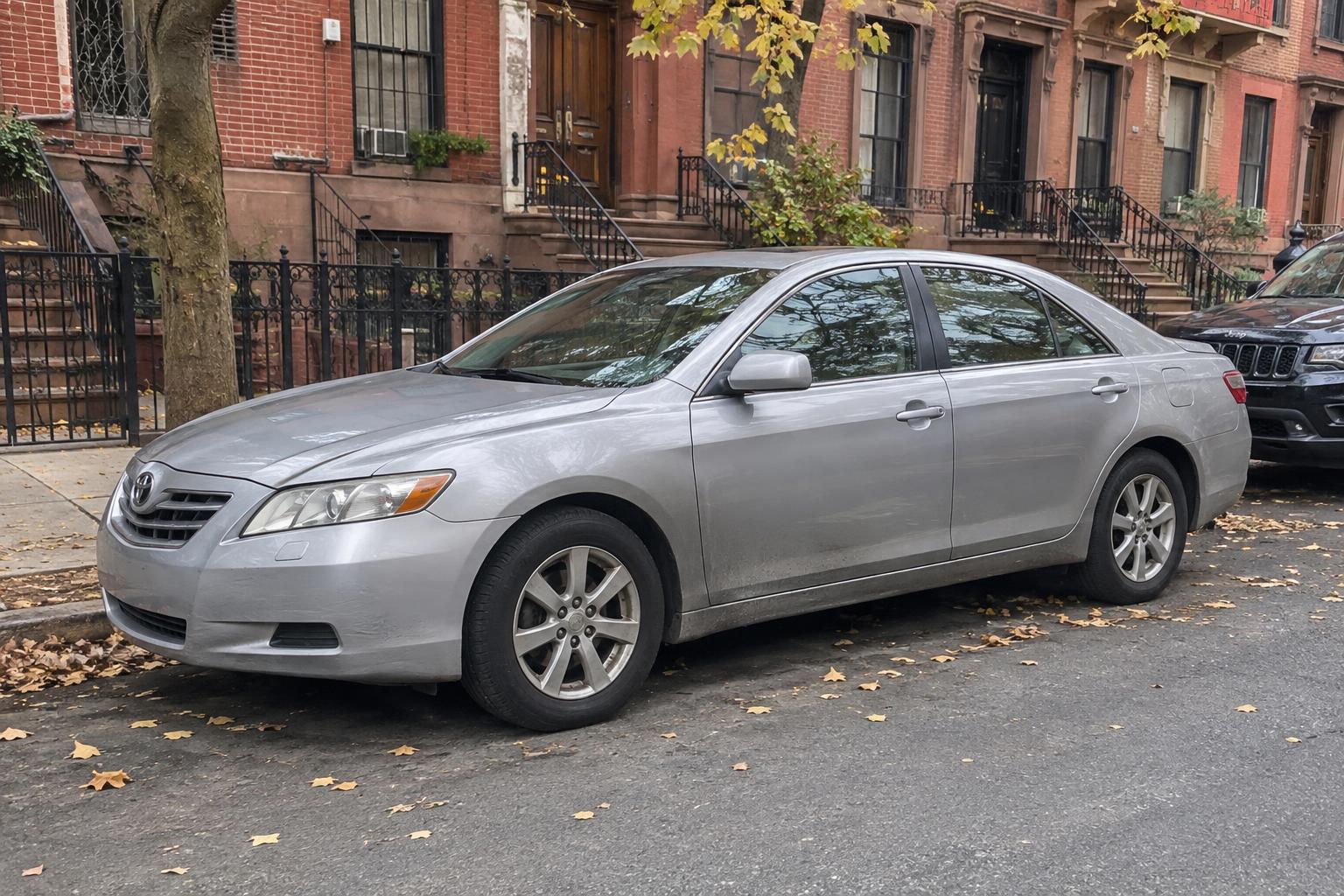
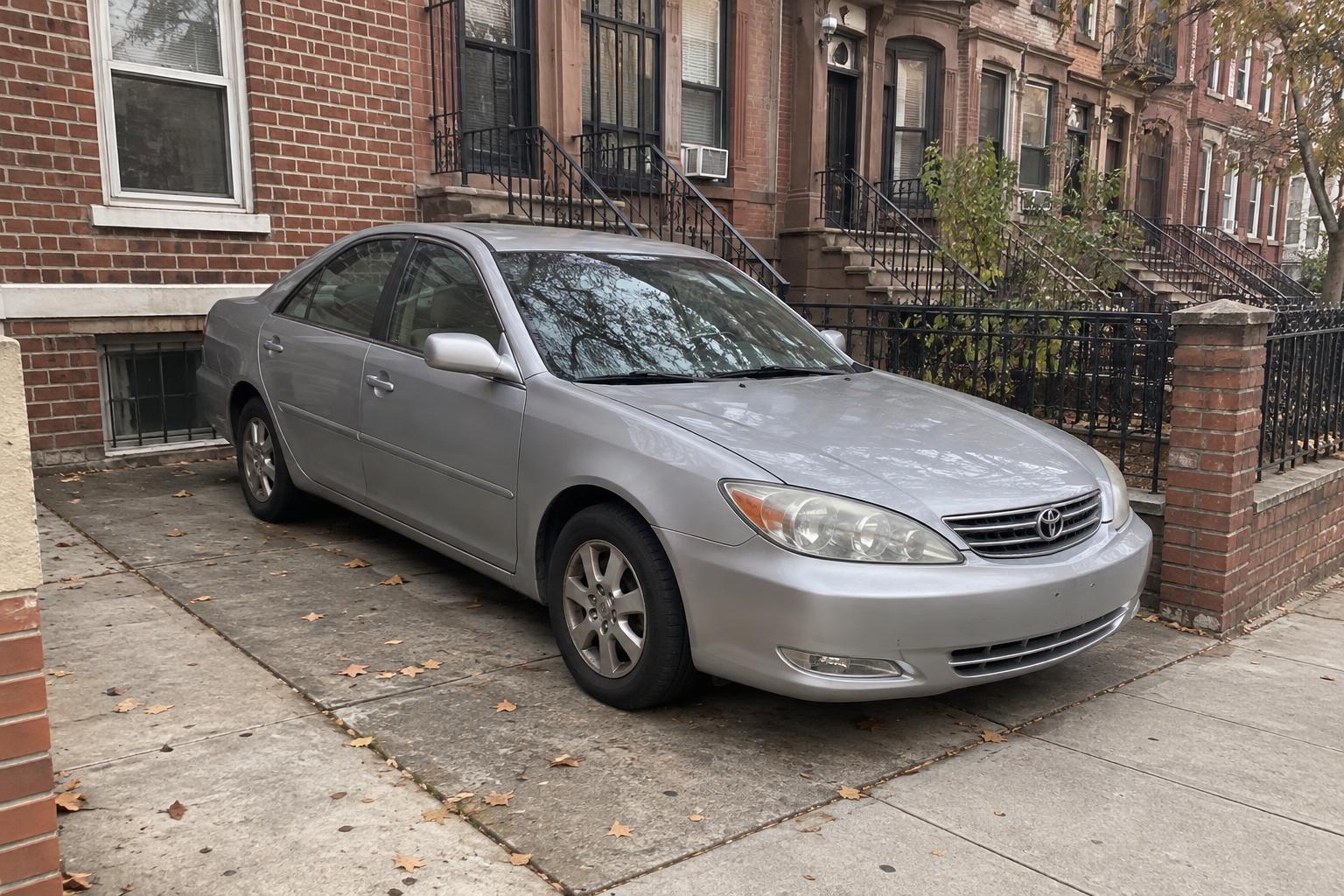
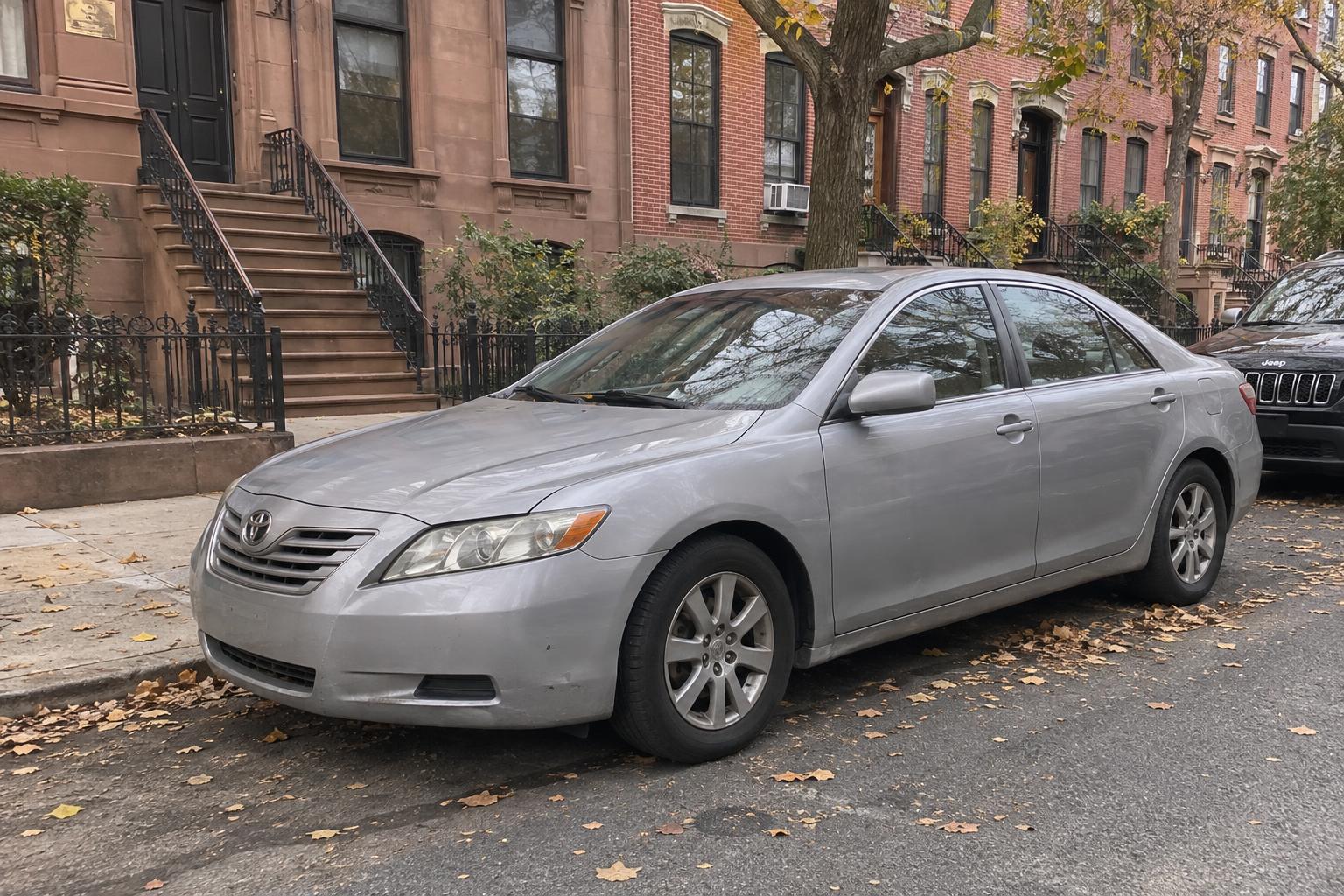
Silver sedan parked in a Brooklyn driveway beside brick rowhouses with stoops and iron railings.

You do not need to start an unused car to begin reducing storage hazards. While you decide whether to keep, repair, sell or donate it, focus on lawful parking, secure access and observations you can make without touching fluids or working on the vehicle. If you are considering brooklyn car donation, we tow cars whether or not they run, so getting the engine running is not a necessary first step.

Check whether the parking location works for storage

A Brooklyn curbside space is not indefinite storage. Unless a posted sign states otherwise, New York City prohibits leaving a vehicle in the same spot for more than seven consecutive days. Other restrictions, including alternate-side parking and posted limits, still apply. Read the NYC311 parking rules before deciding to leave the car where it is.

If you cannot safely drive it, seek professional assistance rather than attempting a test drive just to meet a parking deadline. For private storage, ask the property owner or garage operator whether the space permits your vehicle and its current condition. Discuss any known leaks or battery concerns before arranging separate professional help to move it.

For security, consider removing valuables and spare keys, closing the windows and locking the doors when it is safe to access the car. Keep the keys somewhere children cannot reach. Make a note of where the car is stored and set a reminder to reassess the situation rather than letting the decision disappear into your routine.

Look for leaks without handling them

Keep your inspection visual. From a safe standing position beside the vehicle, look for fresh wet patches on visible pavement. Consider taking a photograph from the same safe position so you can describe changes to a repair professional. Do not crawl underneath, jack up the car, reach into a puddle, taste fluid or lean close to identify it by smell.

Keep children and pets away from unidentified liquid. Antifreeze can cause serious poisoning if swallowed, and spills need prompt attention. The National Capital Poison Center’s antifreeze guidance explains the exposure risks and precautions.

Ask a qualified repair professional to identify and address a suspected leak and advise on safe cleanup. Do not hose automotive fluids toward the curb or a drain. Motor oil, antifreeze, gasoline and transmission fluid must not be discarded into storm sewers, catch basins or household drains. Follow NYC environmental guidance for automotive products.

Skip garage warmups and test starts

Do not idle the car in a garage, even with the garage door open. Exhaust can create a deadly carbon monoxide hazard. Carbon monoxide has no color or odor, so smell cannot establish that the air is safe. The EPA’s carbon monoxide precautions specifically warn against garage idling.

For your storage decision, leave the vehicle switched off rather than starting it to see whether it still runs or to try charging its battery. Tell anyone else with access to the keys that you are not using periodic engine starts as a storage routine.

Get battery advice for your exact vehicle

Before disconnecting a battery or attaching a charger, find the owner’s manual for your vehicle’s year, model and powertrain. Ask the manufacturer’s service department or a qualified technician what is appropriate for its battery type, storage duration and present condition. Useful questions include whether a compatible maintainer is appropriate, whether disconnection affects vehicle systems and how access will work if power is lost.

Do not apply another vehicle’s storage instructions to yours. Manufacturer instructions address specific battery procedures and possible effects, such as resetting memory features after disconnection. For example, Ford’s E-Series owner’s manual includes dedicated storage and 12-volt battery guidance.

If an electric or hybrid vehicle has suspected battery damage, do not attempt battery repairs or touch exposed electrical components. Contact the dealer for guidance; call 911 for a fire or other emergency. NHTSA’s electric and hybrid vehicle safety guidance explains the hazards associated with damaged high-voltage batteries.

Choose your next step without reviving the car

You can consider donation without attempting a jump-start or repair. At Troops Relief Fund, we tow cars whether or not they run. When you are ready, explore our Brooklyn car donation option, start your donation online or call us at 1-646-402-6102. In the meantime, prioritize lawful storage and professional attention to any developing hazard.
by TroopsReliefFund
https://troopsrelieffund.org/wp-content/uploads/2026/11/brooklyn-parked-car-storage-safety-owwocp.jpg 1024 1536 TroopsReliefFund https://troopsrelieffund.org/wp-content/uploads/2017/04/logo.png TroopsReliefFund2026-11-15 17:10:452026-11-15 17:10:46Keep a Parked Car Safe While You Decide What to Do with It

Form 1098-C and Form 8283: Which Car Donation Tax Forms Do What?

Brooklyn Car Donation Tips

Silver sedan parked along a Brooklyn brownstone block with autumn street trees.

For your brooklyn car donation, Form 1098-C and Form 8283 serve different purposes. Form 1098-C is the charity’s vehicle-contribution information return and can provide your acknowledgment. Form 8283 is your noncash-contribution reporting form. Receiving an acknowledgment does not replace your responsibility to complete and file the required donor forms. The IRS overview of Form 1098-C and IRS overview of Form 8283 explain these separate roles.

We mail your tax receipt as soon as possible. Keep it with your donation records, and distinguish the receipt you receive from the forms and attachments your federal return requires.

Form 1098-C: the vehicle acknowledgment

A charity generally files Form 1098-C with the IRS for a qualified vehicle contribution with a claimed value of more than $500. Copy B can serve as your contemporaneous written acknowledgment. A separate written acknowledgment containing the required information can also satisfy the acknowledgment requirement.

For a vehicle sold in an arm’s-length transaction to an unrelated buyer, the acknowledgment must generally be furnished within 30 days after the sale. For specified exceptions involving charitable use, improvement or transfer to a needy individual, the deadline is generally 30 days after the contribution. Read the IRS Form 1098-C instructions for the applicable requirements.

Form 8283: your reporting responsibility

You use Form 8283 to report noncash charitable contributions. It does not calculate your deduction, and an acknowledgment does not take its place. For an individual donor, a deduction exceeding $500 generally triggers Form 8283 reporting.

The section you complete matters:

  • More than $500 through $5,000: generally complete Section A.
  • More than $5,000, with the deduction limited to vehicle-sale gross proceeds: use Section A when you have the required contemporaneous acknowledgment. A qualified appraisal is not required for this vehicle-sale exception.
  • More than $5,000, without the gross-proceeds limitation: generally complete Section B and obtain a qualified appraisal, including the required appraiser and donee signatures.

The IRS Form 8283 instructions explain these vehicle-specific exceptions. A vehicle’s estimated market value alone does not determine which section applies.

What must be attached to your return?

For a qualified vehicle deduction exceeding $500, attach Form 8283 and Copy B of Form 1098-C or an equivalent contemporaneous written acknowledgment meeting IRS requirements. Keeping the acknowledgment in a folder is not enough for this vehicle-specific attachment rule. See the vehicle-donation requirements in IRS Publication 526.

For electronic filing, arrange the acknowledgment attachment through your tax software or preparer. The Form 1098-C donor instructions explain electronic submission and the alternative of mailing the attachment with Form 8453.

How the $250 and $500 thresholds differ

A charitable contribution of $250 or more requires a contemporaneous written acknowledgment. You must obtain it by the earlier of the date you file your original return or the return’s due date, including extensions. The IRS acknowledgment requirements explain this timing.

A vehicle deduction of exactly $500 does not trigger the special rules for deductions exceeding $500. However, the $250 acknowledgment rule still applies. Form 8283 may also be necessary because of other noncash contributions. Use the applicable Publication 526 recordkeeping and reporting rules when reviewing your full return.

For an individual federal return, a vehicle contribution is a noncash gift claimed through itemized deductions. The nonitemizer charitable deduction beginning in tax year 2026 applies to eligible cash contributions, not donated cars. See IRS Topic 506.

Keep your donation records together

Consider keeping one folder with your receipt, acknowledgment, vehicle identification number, contribution date, vehicle description and copies of your completed tax forms. Before filing, ask your tax preparer to review the claimed amount, the appropriate Form 8283 section and the required attachments.

Ready to donate? Start with our Brooklyn car donation form, or call us at 1-646-402-6102. We arrange vehicle pickup at no cost to you and mail your tax receipt as soon as possible.

by TroopsReliefFund
https://troopsrelieffund.org/wp-content/uploads/2026/11/brooklyn-car-donation-tax-forms-glvzie.jpg 1024 1536 TroopsReliefFund https://troopsrelieffund.org/wp-content/uploads/2017/04/logo.png TroopsReliefFund2026-11-15 17:10:242026-11-15 17:10:25Form 1098-C and Form 8283: Which Car Donation Tax Forms Do What?

Recycling and Reuse: Why Donating Beats Letting a Car Waste Away in Brooklyn

Brooklyn Car Donation Tips

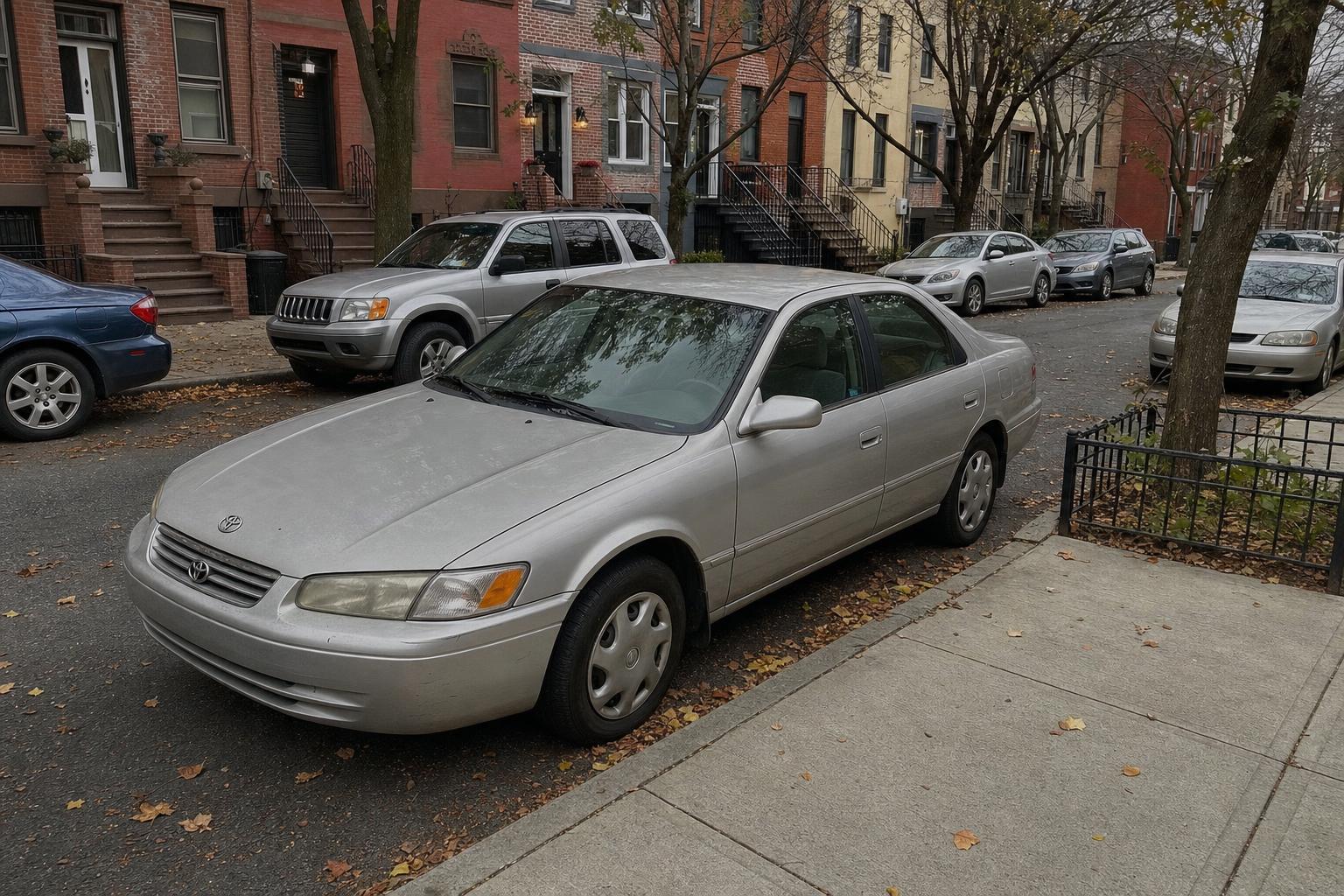
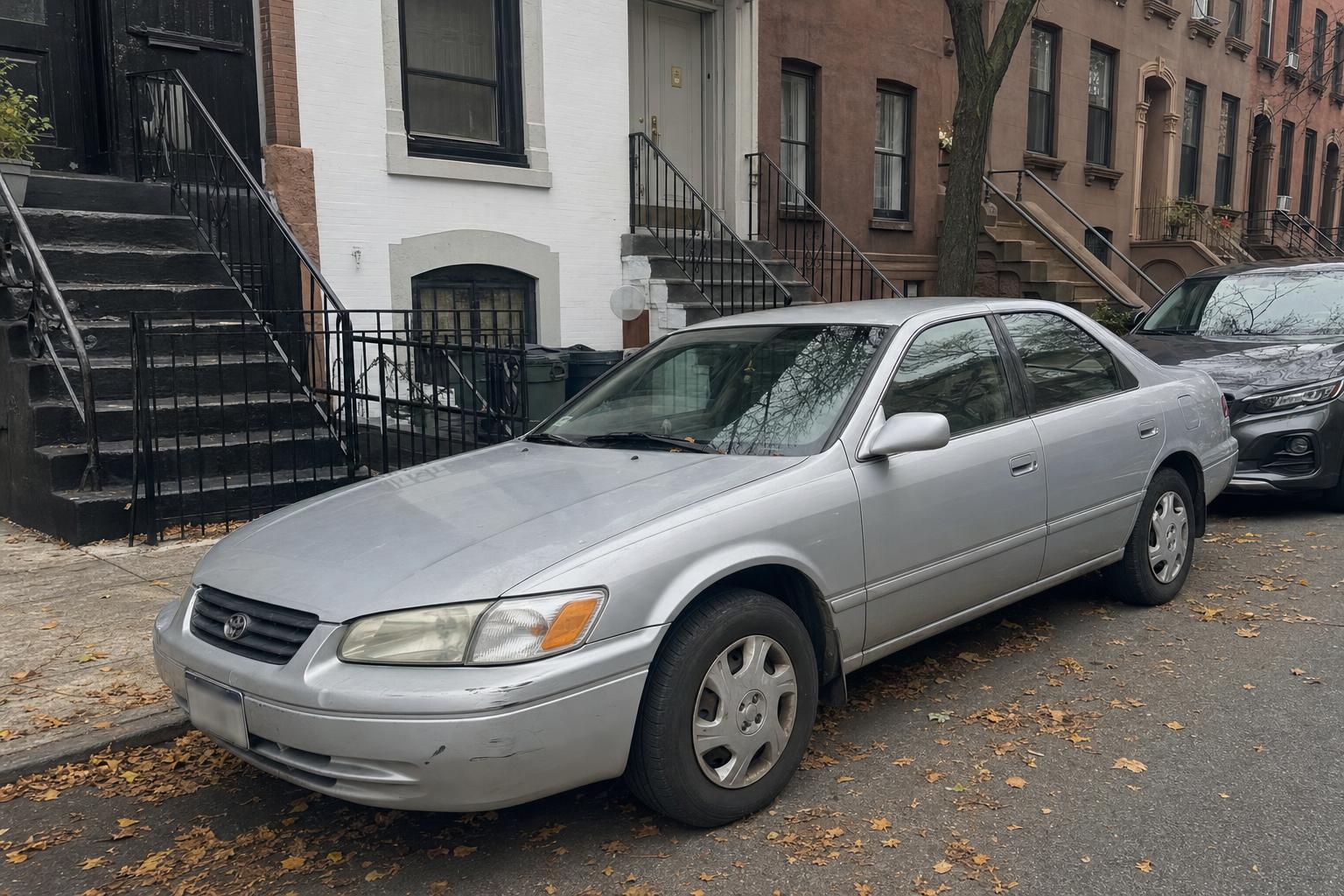
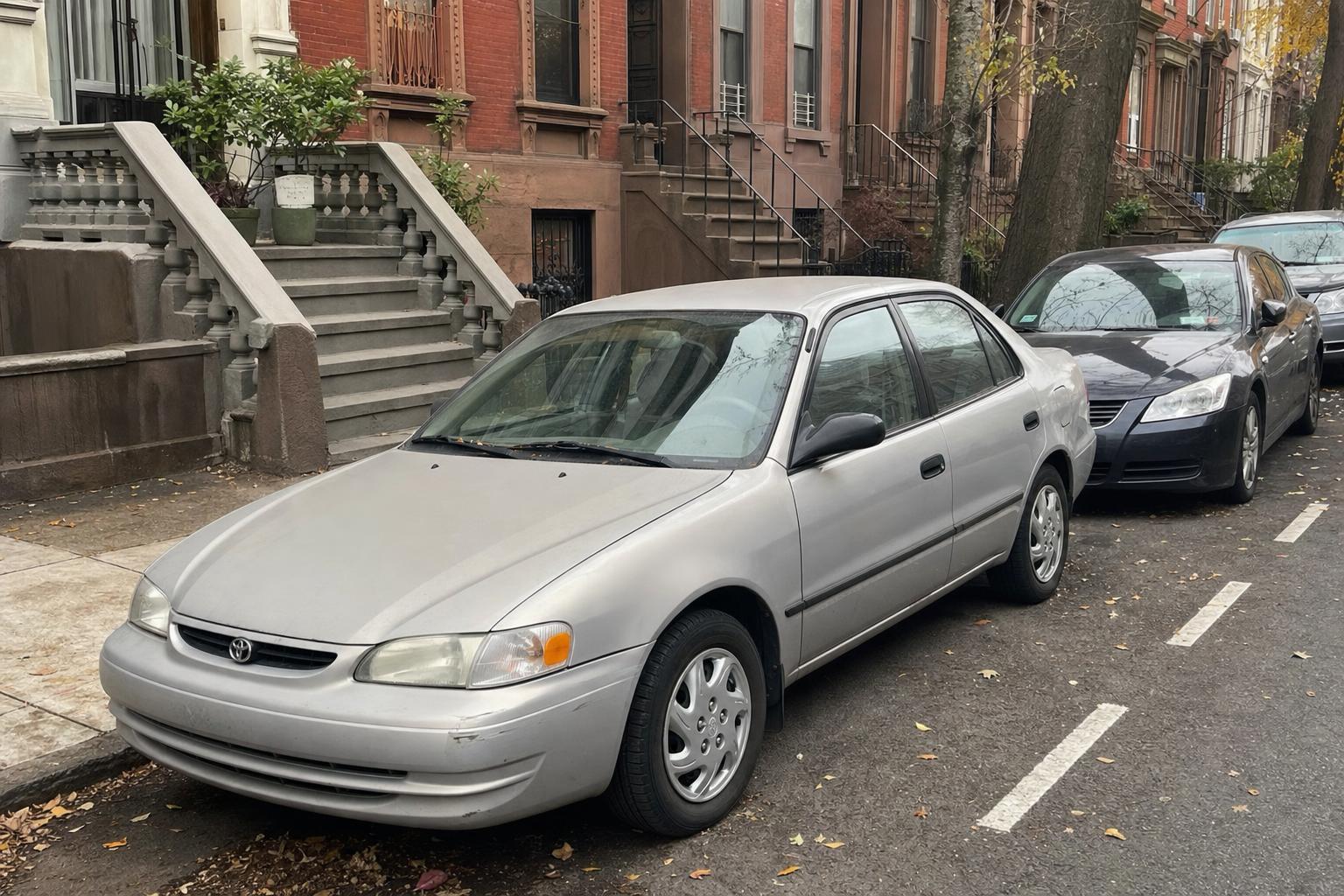
Older silver sedan parked along a Brooklyn brownstone block with stoops and scattered autumn leaves.

If you no longer want your car and have no real plan to use it again, donating offers a practical alternative to leaving it parked indefinitely. You can reclaim the space it occupies and put the vehicle toward charitable support. Through our brooklyn car donation program, we sell donated vehicles at auction or recycle them into new materials. Proceeds from either route benefit charities partnered with Troops Relief Fund.

The useful question is not simply whether your car still runs. It is whether keeping it serves a purpose in your life, or whether you are ready to let it move on.

Keeping a car makes sense when you have a plan

An unused car is not necessarily an unwanted car. You may have a specific reason to keep yours, such as an upcoming need for transportation or a repair you have already decided to pursue. Consider setting a realistic date for that next step.

If the plan keeps slipping, take a fresh look at what you actually want. Leaving the decision open can mean continuing to give space and attention to a vehicle you no longer need. Donation gives you a concrete next step without requiring you to organize a private sale.

  • Keep it with a purpose: Identify when and how you expect to use it again.
  • Reconsider an indefinite wait: Ask whether anything meaningful has changed since you last postponed the decision.
  • Donate when you are ready: Let an unwanted vehicle support charitable work instead of remaining an unfinished task.

What auction and recycling mean for your donation

We sell donated vehicles at auction or recycle them into new materials. Donation does not mean every car follows the same route. An auction is a sale of the donated vehicle; recycling is a different route that recovers materials for use in new products.

For the broader environmental context, the EPA explains that recycling reduces the need to extract raw materials. Recovered materials are processed and used as inputs for manufacturing. This is how recycling can give materials another use, even when the original product is no longer being used.

What changes when you choose donation

Leaving your car unused postpones a decision. Donating allows us to put it through an auction or recycling route, with proceeds benefiting our partner charities. That is the clearest difference: the vehicle becomes a source of charitable support rather than something you are still deciding what to do with.

We arrange vehicle pickup and towing at no cost to you, at a convenient time and location arranged with you. You can begin by phone or through our online donation form. After an online request, we contact you within about 24 hours to arrange pickup.

Take one practical step before another month passes

Before contacting us, consider noting the vehicle’s condition, whether it runs, and where it is parked so you can discuss it clearly. Think about convenient pickup times, too. These simple preparations can help you turn a lingering intention into a decision.

You do not need to keep waiting for an unwanted car to become useful to you again. If you are ready to move on, start your donation online or call us at 1-646-402-6102. We can answer your questions and help you begin.

by TroopsReliefFund
https://troopsrelieffund.org/wp-content/uploads/2026/11/brooklyn-unused-car-reuse-recycling-vmltde.jpg 1024 1536 TroopsReliefFund https://troopsrelieffund.org/wp-content/uploads/2017/04/logo.png TroopsReliefFund2026-11-15 17:10:032026-11-15 17:10:04Recycling and Reuse: Why Donating Beats Letting a Car Waste Away in Brooklyn

How to Check a Car Donation Charity’s Registration and Tax Status

Brooklyn Car Donation Tips

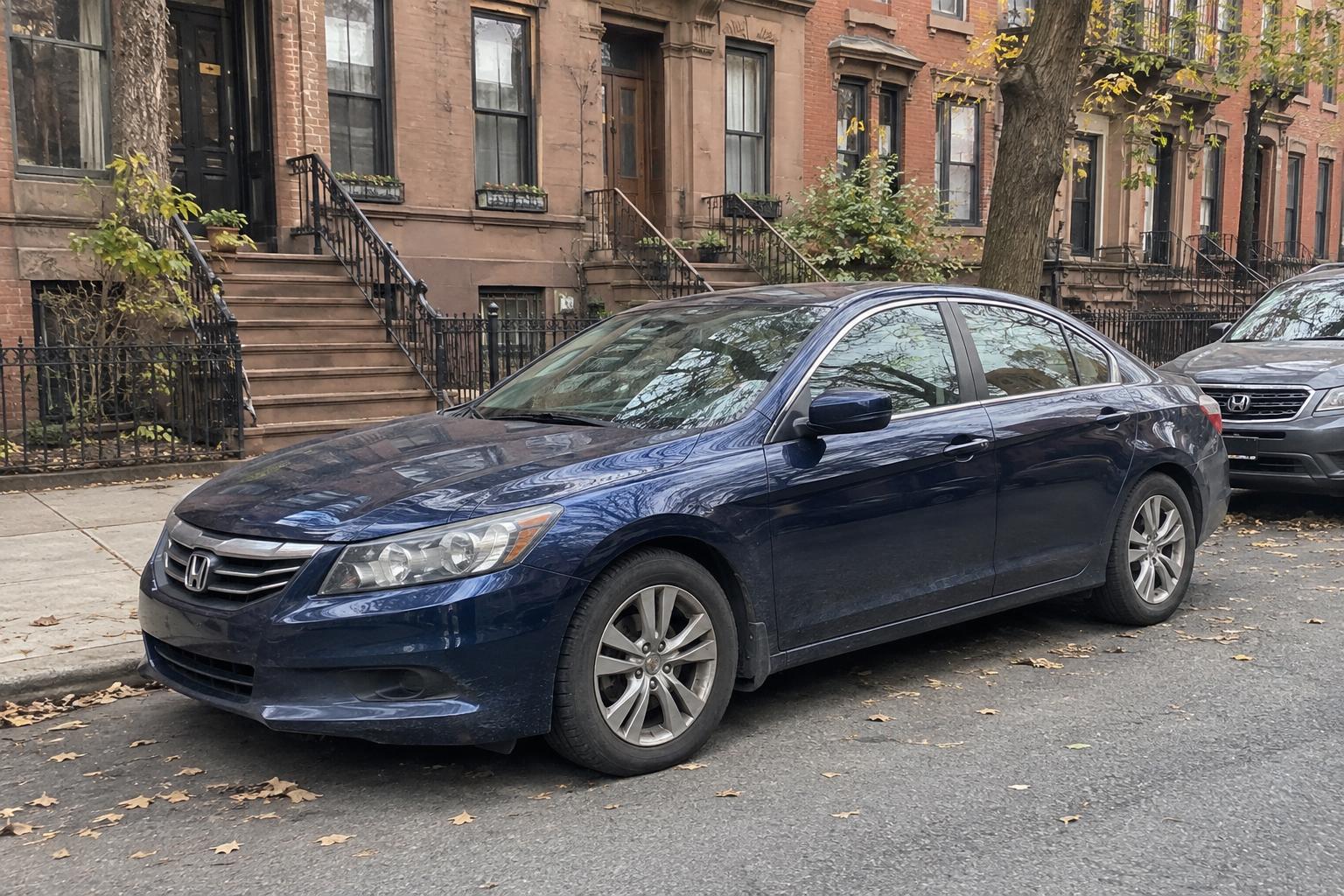
Dark blue sedan parked beside Brooklyn brownstones with stoops and autumn leaves.

Before arranging a brooklyn car donation, check two separate records: the charity’s federal eligibility to receive tax-deductible contributions and its New York charitable registration. Match the legal name and employer identification number, or EIN, throughout your search. The New York Attorney General’s vehicle-donation checklist recommends checking both registration and federal charitable status before donating.

We want you to feel comfortable asking questions before making your decision. Here is a practical way to organize those checks and resolve differences before handing over your vehicle.

Start with the legal name and EIN

Ask the organization accepting your donation for its full legal name, EIN and mailing address. If the donation program uses a different public-facing name, ask which legal entity will receive the contribution and issue the acknowledgment. Write those details together so you can compare the same organization across records.

The IRS Tax Exempt Organization Search instructions explain that Publication 78 data uses an organization’s official name, not its doing-business-as name. Searching by EIN can help you locate the intended organization when the name you recognize differs from its legal name.

Check federal eligibility through the IRS

Use IRS Tax Exempt Organization Search to check eligibility to receive tax-deductible charitable contributions through Publication 78 data. The tool also provides access to determination letters, Form 990-series filings, Form 990-N notices and automatic-revocation information.

  • Compare identity: Check the EIN, legal name and location against the details you received.
  • Read the relevant record: Distinguish a listing about contribution eligibility from an annual filing or an older letter.
  • Check dates: Note the effective dates on letters and any revocation or reinstatement records.
  • Save your results: Keep a dated copy with your donation correspondence.

An automatic-revocation entry needs further checking because an organization may subsequently have been reinstated. The IRS search guidance explains how to look for reinstatement through current eligibility data and determination letters. Read those records together rather than relying on a single historical entry.

Search New York’s Charities Bureau registry

Next, use the New York Attorney General’s charities database. It provides annual financial reports and other documents for registered organizations. Some charities, including certain religious organizations, are exempt from registration and may not appear.

Compare the legal name and EIN in available filings with your IRS results. Note the reporting period on each financial report, and consider whether the organization’s stated activities fit the charitable purpose you want to support.

Registration is not endorsement. The Attorney General expressly does not endorse organizations listed in its charities registry. State registration and federal contribution eligibility answer different questions; neither replaces your decision about whether an organization’s work matches your giving priorities.

Resolve missing or conflicting information first

If names, numbers or addresses differ, pause your donation arrangements and ask for a written explanation. Useful questions include:

  • What is the legal name and EIN of the entity receiving my vehicle donation?
  • Why does that name differ from the donation program’s name?
  • Which document explains a name or address change?
  • If a record shows revocation, where is the later reinstatement determination?

For an unresolved New York registration question, contact the Charities Bureau at 212-416-8401, the assistance number published with its registry search. If a federal record remains unclear, seek clarification from the IRS before relying on it for a donation decision.

Ask how your vehicle will support the mission

Official records are one part of choosing where to give. Ask what will happen to the vehicle and how the money will be used, questions included in the Attorney General’s vehicle-donation guidance.

We raise funds through the auction of donated vehicles and the sale of recycled automotive materials. We serve Brooklyn and Staten Island and support charities helping military personnel, veterans and their families in the New York City area. Learn more about our mission and vehicle donation program.

When you are ready to discuss your vehicle donation, call us at 1-646-402-6102. Take the time you need to review records and ask questions before deciding.

by TroopsReliefFund
https://troopsrelieffund.org/wp-content/uploads/2026/11/brooklyn-car-donation-charity-check-pwtyxl.jpg 1024 1536 TroopsReliefFund https://troopsrelieffund.org/wp-content/uploads/2017/04/logo.png TroopsReliefFund2026-11-15 17:01:202026-11-15 17:01:21How to Check a Car Donation Charity’s Registration and Tax Status

What to Do About Plates and Insurance When Donating a Car in Brooklyn

Brooklyn Car Donation Tips

Silver sedan parked beside brick rowhouses and brownstone stoops on a Brooklyn street in autumn.

When planning your brooklyn car donation, keep pickup arrangements separate from your registration and insurance decisions. We arrange pickup of your vehicle at zero cost to you. For a New York-registered car, DMV requires you to surrender your plates and registration before canceling liability insurance. Use the current NY DMV surrender instructions to plan that sequence, and speak with your insurer before choosing a cancellation date.

Coordinate pickup with us first

Tell us where your vehicle is located and when you can make it available. We arrange a convenient pickup time and location with you. Mention practical access details, such as a narrow driveway, garage entrance or limited space around the car, so you can discuss the pickup arrangements.

You can start your Brooklyn car donation online or call us at 1-646-402-6102. After an online donation request, we contact you within about 24 hours to arrange pickup.

Use that conversation to settle the vehicle handoff. Separately, make a plan for your plates, registration and insurance with DMV and your insurance company. A scheduled pickup date should not become an automatic insurance cancellation date.

Decide whether to surrender or transfer your plates

If you are replacing your car, ask DMV about transferring your registration and plates before starting a surrender transaction. New York distinguishes between surrendering plates and transferring them to a replacement vehicle. Read DMV guidance on removing and transferring plates and ask which steps apply to your situation.

If you are surrendering your plates, follow DMV’s instructions for removing the plates and windshield registration and inspection stickers. DMV offers surrender by mail or at an office and requires a Plate Surrender Application, form PD-7. Check the plate surrender methods and preparation checklist before mailing anything or making a trip.

Plan plate removal around the handoff so you have time to complete the task without rushing. If a plate is missing, ask DMV about its lost, stolen or destroyed plate procedure rather than following the ordinary two-plate surrender process.

Speak with your insurer before changing coverage

A car that is no longer being driven still needs liability coverage while it remains registered in New York. Keeping it in a driveway or garage does not remove that requirement. Review New York’s liability insurance requirements before ending coverage.

Ask your insurer these practical questions while your donation is being arranged:

  • What documentation should I send after surrendering my plates and registration?
  • What cancellation or vehicle-removal date fits the required DMV sequence?
  • If I am replacing this car, how should I coordinate coverage for the replacement?
  • If my policy covers other vehicles, what change should I request for the donated car?

Write down the answers and request written confirmation of any policy change. Keep your pickup arrangements and insurance instructions together so you can track both without confusing their purposes.

Keep the DMV receipt with your records

DMV issues a plate surrender receipt, form FS-6T. Keep it with your registration records and insurance correspondence. If you surrender by mail, check the current DMV receipt and mailing instructions, including how to follow up if the receipt does not arrive.

Before pickup, make a short checklist: vehicle access discussed, plate plan settled, DMV steps understood and insurer contacted. Afterward, retain the relevant paperwork and written insurance confirmation. These separate tasks deserve their own checkmarks.

Ready to arrange the vehicle handoff? Start your donation online or call us to discuss pickup in Brooklyn.

by TroopsReliefFund
https://troopsrelieffund.org/wp-content/uploads/2026/11/brooklyn-car-donation-plates-insurance-picsiy.jpg 1024 1536 TroopsReliefFund https://troopsrelieffund.org/wp-content/uploads/2017/04/logo.png TroopsReliefFund2026-11-15 16:53:552026-11-15 16:53:56What to Do About Plates and Insurance When Donating a Car in Brooklyn

How to Make Scheduling a Brooklyn Car Donation Easier

Brooklyn Car Donation Tips

Silver sedan parked beside brick rowhouses and front stoops on a Brooklyn residential street.

To make scheduling your brooklyn car donation easier, gather three things before contacting us: your preferred pickup times, the vehicle’s exact location, and the questions you want answered. A few clear notes can help you explain what works for you without trying to remember every detail during the conversation.

We arrange vehicle pickup and towing at no cost to you. Tell us where and when you can make the vehicle available, and we will work with you to arrange pickup at a convenient time and location.

Choose your preferred timing before you contact us

Look at your calendar and identify a few times that would suit your routine. If you have flexibility, note an alternative day or time window as well. These are useful details to share, rather than extra steps you need to complete before reaching out.

  • Your first choice: Write down the day and time window that would work best.
  • An alternative: Consider another window you could offer if needed.
  • Any scheduling limits: Mention work hours, appointments, or other commitments that affect your availability.
  • A preferred contact number: Choose a number where we can reach you to discuss pickup.

If you have a particular date in mind, bring it up at the start of the conversation. Ask us what pickup timing can be arranged before adjusting other plans around the donation.

Describe the pickup location clearly

Start with the full Brooklyn address where the vehicle is currently located. Then add a short description of its position, such as curbside in front of a rowhouse, in a driveway, or inside a parking garage. If the vehicle is kept somewhere other than your home, make that distinction clear.

Useful location notes might include a nearby cross street, a driveway entrance, or access arrangements for a shared parking area. Describe what you know and ask us about any details you are unsure how to handle. You can also mention whether the location is likely to change before pickup.

Keep basic vehicle information nearby

Consider writing down the vehicle’s year, make, model, and whether it runs. These notes give you a simple reference when discussing your donation. We accept cars, trucks, and motorcycles, including vehicles that do not run.

If you call us to donate, we collect the information needed to schedule pickup. You can start the conversation even if you still have questions about what to prepare.

Bring a short list of questions

Choose the questions that matter to your situation. For example:

  • What pickup timing can we arrange around my availability?
  • What additional details do you need about the vehicle’s location?
  • What should I have ready for pickup?
  • Does anyone need to be present when the vehicle is collected?
  • How should I let you know if my availability or the vehicle’s location changes?

Keep a note of the arrangements you discuss, including the location, timing, and any next steps. This gives you a useful reference afterward and helps you spot anything you still want to ask.

Call us or start your donation online

Call us at 1-646-402-6102 to discuss your schedule and ask questions. You can also start your Brooklyn car donation online. After an online donation request, we contact you within about 24 hours to arrange pickup.

Have your preferred times, pickup address, and question list nearby when we speak. Sharing those details gives us a clear starting point for arranging your vehicle donation around your needs.

by TroopsReliefFund
https://troopsrelieffund.org/wp-content/uploads/2026/11/brooklyn-car-donation-scheduling-mz4hsm.jpg 1024 1536 TroopsReliefFund https://troopsrelieffund.org/wp-content/uploads/2017/04/logo.png TroopsReliefFund2026-11-15 16:44:532026-11-15 16:44:54How to Make Scheduling a Brooklyn Car Donation Easier

Electric-Car Donation in Brooklyn: High-Voltage Safety

Brooklyn Car Donation Tips

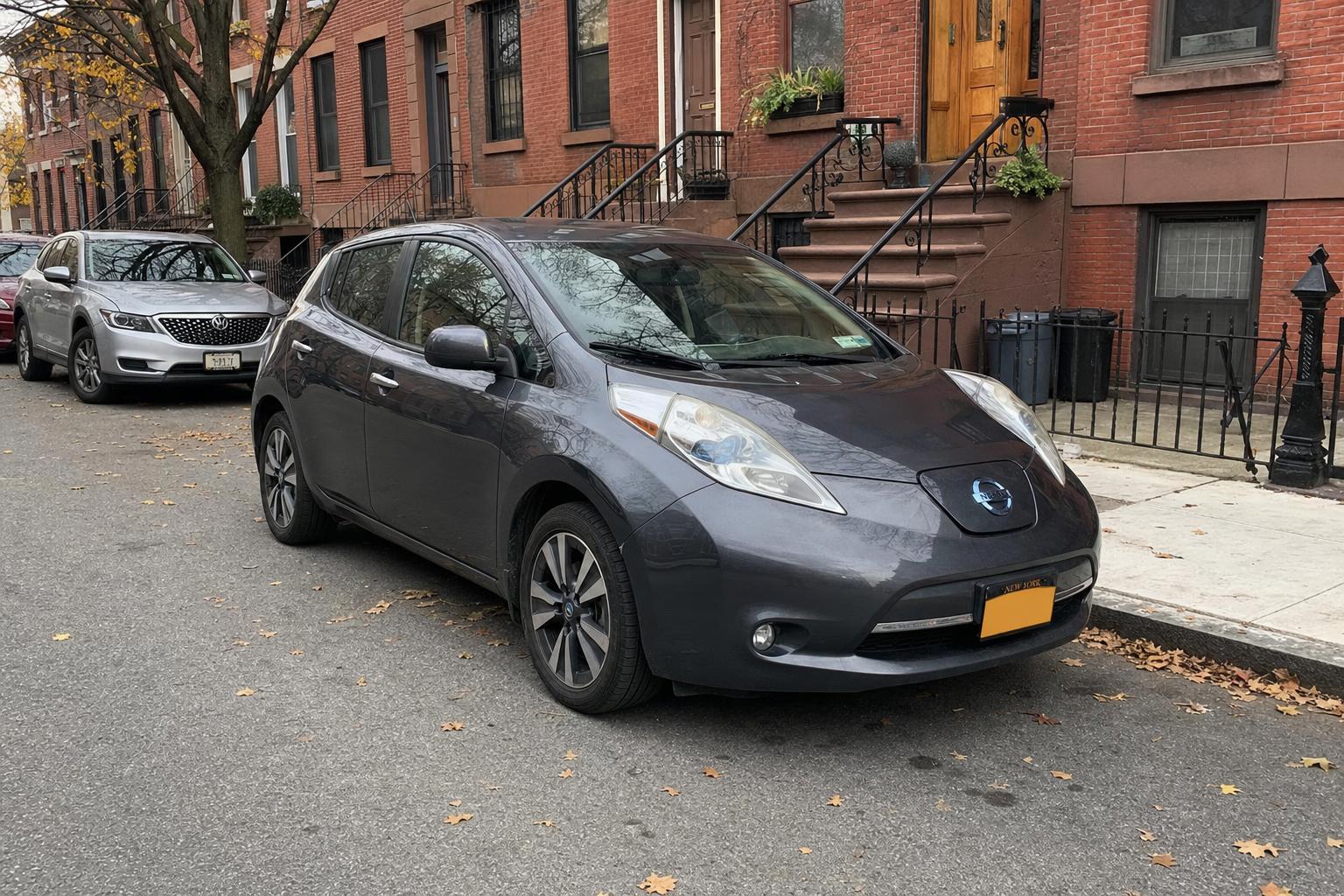
Electric hatchback parked beside Brooklyn brownstones with stoops and autumn leaves along the curb.

Before an electric-car donation, leave high-voltage components untouched and tell us about any collision, flooding, battery warnings or known damage before discussing a handoff. Call us to ask whether your specific EV and its current condition are suitable for donation. If the vehicle shows signs of a battery emergency, call 911 first, not our donation line.

We arrange pickup of your vehicle at zero cost to you through our brooklyn car donation program. For an electric vehicle, start the conversation with its year, make, model and condition rather than attempting electrical preparation yourself.

Recognize high-voltage components without touching them

An EV’s traction battery is different from its low-voltage accessory battery. Its electrical system also includes components such as the motor, power inverter and DC-DC converter. The traction battery requires trained service personnel and specialized equipment. See NHTSA’s electric-vehicle component and safety guidance.

High-voltage cables are typically orange. Treat that color and high-voltage warning labels as signals to keep your hands and tools away, not invitations to inspect connections. Tesla’s Model 3 battery safety instructions prohibit opening or tampering with the battery and removing, replacing or disassembling high-voltage components, cables or connectors.

Know when to stop donation preparations

Warning signs around a damaged battery can include smoke, sparks, flames, unusual heat, leaking fluids, or gurgling, popping and hissing sounds. Damage can cause a fire immediately or later. Do not approach to investigate these signs. Move away, keep others clear and call 911, identifying the vehicle as electric. NHTSA’s damaged-EV guidance explains these hazards and emergency precautions.

Flood exposure also needs attention even when there is no visible fire. If you suspect battery damage after flooding, contact your dealer and/or emergency services. Do not park a damaged lithium-ion vehicle in a garage or within 50 feet of structures, vehicles or combustible materials. In a tight Brooklyn parking area, seek professional direction rather than trying to reposition a damaged EV yourself. Read NHTSA’s flood and damaged-battery precautions.

Do not attempt DIY disconnection

Donation preparation is not a reason to pull a service disconnect, cut a cable, open the battery enclosure or attempt an electrical repair. After damage, treat the high-voltage battery and associated components as energized. An authorized service center or manufacturer representative should address damaged-vehicle service needs, as outlined in NHTSA’s vehicle-owner precautions.

For model-specific battery care and transport instructions, use the owner’s manual for your exact vehicle. Tesla’s instructions apply to the specified Tesla model, not every EV. NHTSA also directs owners to their owner’s manual for towing options. Leave electrical isolation and transport setup to appropriately trained professionals.

Tell us what happened before the handoff

When you contact us, a clear description is more useful than a diagnosis you have attempted yourself. Consider having these details ready:

  • The year, make and model, and whether it is fully electric or a plug-in hybrid.
  • Any known collision, underside impact, flooding or previous battery repair.
  • Battery or electrical warning messages you have already observed.
  • Whether the vehicle currently powers on, and whether it is connected to a charger.
  • Its Brooklyn location, including garage access, curbside position or other access limitations.
  • Any existing manufacturer or service-center instructions about moving or storing it.

Share what you already know. Do not crawl beneath the car, remove covers or return to a hazardous vehicle to gather additional details.

Call us at 1-646-402-6102 to discuss your specific electric car, its condition and donation suitability before making handoff plans. When you are ready to begin, start your donation online and include the relevant condition details. Keep emergency response separate from donation arrangements, and leave high-voltage work to trained professionals.

by TroopsReliefFund
https://troopsrelieffund.org/wp-content/uploads/2026/11/brooklyn-electric-car-battery-safety-8vo9t5.jpg 1024 1536 TroopsReliefFund https://troopsrelieffund.org/wp-content/uploads/2017/04/logo.png TroopsReliefFund2026-11-07 16:00:002026-11-03 12:38:20Electric-Car Donation in Brooklyn: High-Voltage Safety

Can You Donate a Brooklyn Car with an Out-of-State Title?

Brooklyn Car Donation Tips

Silver sedan parked beside Brooklyn brownstones and stone stoops on an overcast autumn day.

If your car is in Brooklyn but its title or registration comes from another state, start by calling us to discuss the paperwork you have. Tell us which state issued each document and where the vehicle is located. Ask us about your specific vehicle before making donation arrangements, and ask the relevant state motor vehicle agency about transfer rules.

For your brooklyn car donation, keep two conversations separate: talk with us about the proposed donation, and talk with the DMV about the steps that apply to your ownership documents. That gives you a practical starting point without guessing how to complete an unfamiliar title.

What should you have nearby when you call us?

Gathering a few details can help you explain your situation clearly. These are useful preparation suggestions, not a list of required donation documents:

  • The state printed on the title and the state printed on the registration, if you have both.
  • The vehicle’s year, make and model.
  • The names shown on the paperwork.
  • Whether you have the original title, a copy or only a registration.
  • Any lender or lienholder information shown on the documents.
  • The vehicle’s current Brooklyn location and whether it runs.

If the title and registration show different states, mention both rather than describing everything simply as out-of-state paperwork. If a document is missing, describe exactly what you do have.

Questions to ask us about your proposed donation

Call us at 1-646-402-6102 to speak with Troops Relief Fund personnel. You can use these questions to keep the conversation focused:

  1. My vehicle is in Brooklyn and has a title issued by another state. Can you discuss this vehicle with me?
  2. What vehicle and paperwork details would you like me to provide?
  3. I have a registration but cannot locate the title. What should I discuss with the issuing DMV before proceeding?
  4. The paperwork includes another owner’s name or a lender. What details should I explain to you?
  5. What should I have clarified before we discuss pickup arrangements?

You can also begin through our Brooklyn car donation form. Include a clear description of the out-of-state paperwork when you contact us, so your question stays connected to the particular vehicle you want to donate.

Ask the relevant DMV about transfer rules

For transfer instructions, contact the motor vehicle agency in the state that issued your title. If the registration comes from a different state, explain that as well. For New York questions, use the New York DMV’s vehicle ownership transfer guidance as a starting point.

Ask the agency which instructions apply to your situation rather than filling in unfamiliar sections by guesswork. Useful questions include:

  • Which transfer instructions apply when the car is located in Brooklyn?
  • How should I handle a missing title or an error in a name or address?
  • What steps apply if more than one owner or a lienholder appears on the paperwork?
  • Who should be named as the recipient, and where should signatures go?
  • Are there notices, deadlines or plate and registration steps I should address?

Keep your questions and the answers together for easy reference. Before writing on an original document, ask the issuing agency about any section you do not understand.

Start with the paperwork you actually have

You do not need to guess the answer before reaching out. Tell us where your car is, which state issued its paperwork and what you would like to donate. Then use the relevant DMV’s instructions to address the transfer questions specific to those documents.

Call us at 1-646-402-6102 or start your donation online to discuss your vehicle with us.

by TroopsReliefFund
https://troopsrelieffund.org/wp-content/uploads/2026/11/brooklyn-car-out-of-state-title-0g70ru.jpg 1024 1536 TroopsReliefFund https://troopsrelieffund.org/wp-content/uploads/2017/04/logo.png TroopsReliefFund2026-11-06 16:00:002026-11-03 12:37:58Can You Donate a Brooklyn Car with an Out-of-State Title?

How to Recognize a Suspicious Car Donation Call or Message

Brooklyn Car Donation Tips

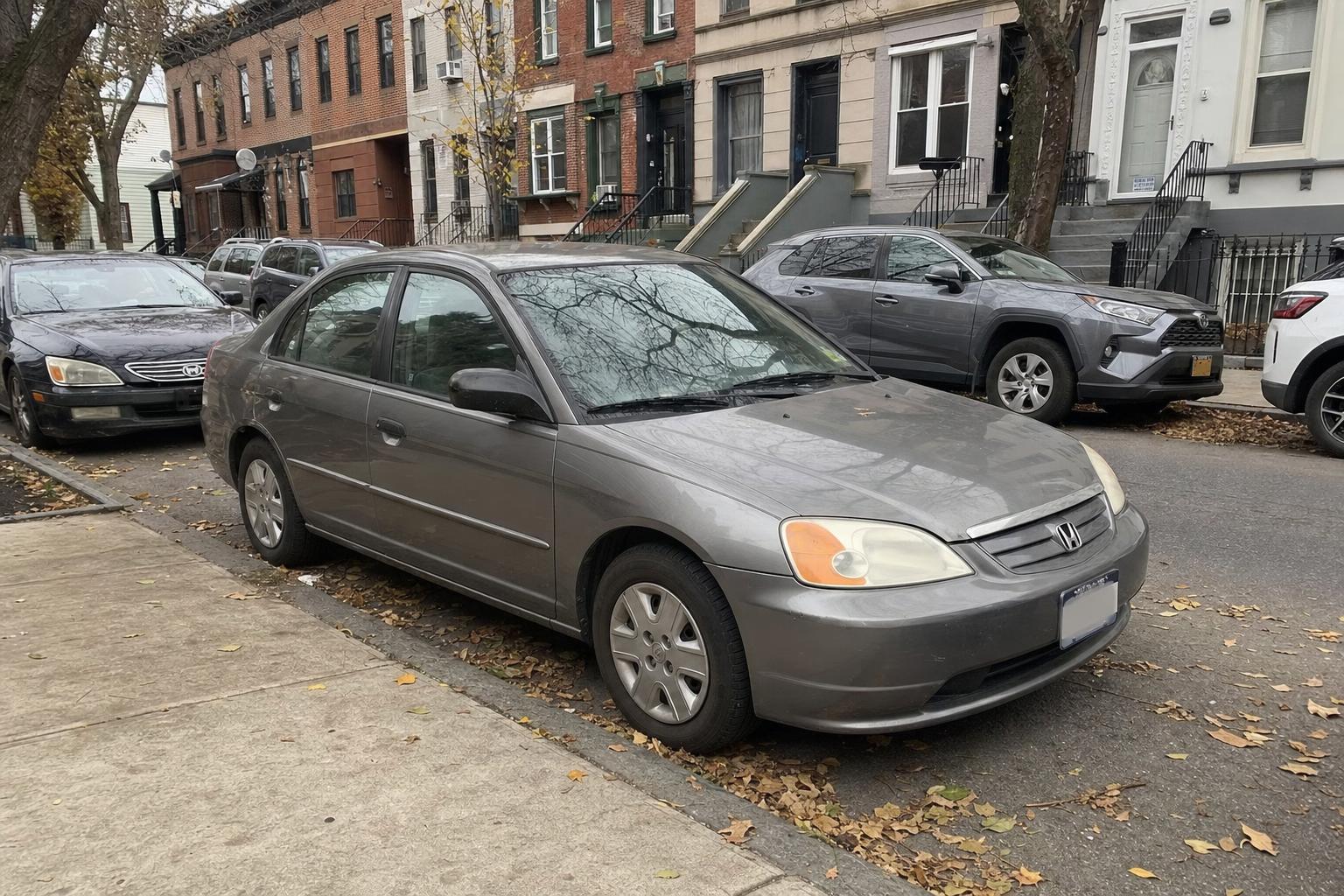
Gray sedan parked beside Brooklyn brownstones with stoops and autumn leaves along the curb.

If an unexpected call, text or email asks you to share documents or send money for a Brooklyn car donation, pause before responding. Contact us independently before taking the requested action. A familiar organization name does not establish who contacted you. The FTC’s phishing guidance recommends contacting an organization through a phone number or website you know is real, rather than information supplied in an unexpected message.

Contact us independently

Call us at 1-646-402-6102 for scheduling or more information. You can also start your donation online through our donation form. If a message makes you uncomfortable, leave it unanswered while you reach us through your independently chosen route.

When you call, describe the contact and ask whether the request came from us. You might say, “I received a message about donating my car. Can you help me check the request?” Explain what the sender wanted before sharing additional personal details. Do not use a callback number supplied only in the questionable message.

Inspect the address, not just the name

Our donation form is at troopsrelieffund.org/donate/. Examine the full sender address and any visible destination address in an unexpected message. Look for changed letters, misspellings or a different domain ending. The Office of the Comptroller of the Currency’s phishing prevention guidance explains that small address differences and convincing imitation websites can be warning signs.

  • Expand the sender details instead of relying only on the displayed organization name.
  • Compare the spelling carefully rather than scanning for familiar words.
  • If the destination is unclear, leave the link alone and navigate independently.
  • Do not treat a padlock or HTTPS as proof that the organization behind a website is genuine.

You do not need to open a suspicious link to investigate it. Leave it untouched and call us instead.

Pause before uploading documents

Do not upload a vehicle title, registration, driver’s license or other sensitive document through a link in an unsolicited message. First call us independently and ask whether the request came from us, what information is needed and how to provide it. Keep the discussion focused on the specific request rather than sending every document you have.

Even if you recently decided to donate, check an unexpected sender before responding. The FTC’s advice for suspicious messages applies even when you recognize the organization being named. Leave suspicious links and attachments unopened, and keep passwords and banking credentials out of the exchange.

Recognize pressure to pay immediately

Stop if someone insists that you must pay immediately or discourages you from calling independently. Demands that you pay only by gift card, wire transfer or cryptocurrency are charity-scam warning signs. The FTC’s charitable giving guidance explains these payment risks.

Write down the requested amount, the stated reason and the payment method, then end the exchange. Do not send money just to resolve an urgent claim. Use your notes when you call us to ask about the request or report suspected impersonation.

Report suspected impersonation

If someone appears to be using our name, call us at 1-646-402-6102 and describe the contact. Keep the message, sender details, date and payment instructions for your records. Do not continue the conversation to investigate it yourself.

You can report suspected fraud to the FTC. For an unwanted text, use your messaging app’s report option or forward the message to 7726, which spells SPAM. The FTC provides instructions for reporting unwanted texts.

If you already paid, promptly contact the bank, card issuer or payment provider involved. Explain the suspected scam and ask whether the payment can be reversed. If you shared sensitive information, follow the FTC’s recovery steps after a scam for the information involved.

Ready to continue your Brooklyn car donation? Start your donation online or call us at 1-646-402-6102. Choose your own route to us before sharing documents or acting on an unexpected request.

by TroopsReliefFund
https://troopsrelieffund.org/wp-content/uploads/2026/11/brooklyn-car-donation-message-awareness-gctmih.jpg 1024 1536 TroopsReliefFund https://troopsrelieffund.org/wp-content/uploads/2017/04/logo.png TroopsReliefFund2026-11-05 16:00:002026-11-03 12:38:44How to Recognize a Suspicious Car Donation Call or Message

Plan Everyday Transportation Before Donating Your Last Car in Brooklyn

Brooklyn Car Donation Tips

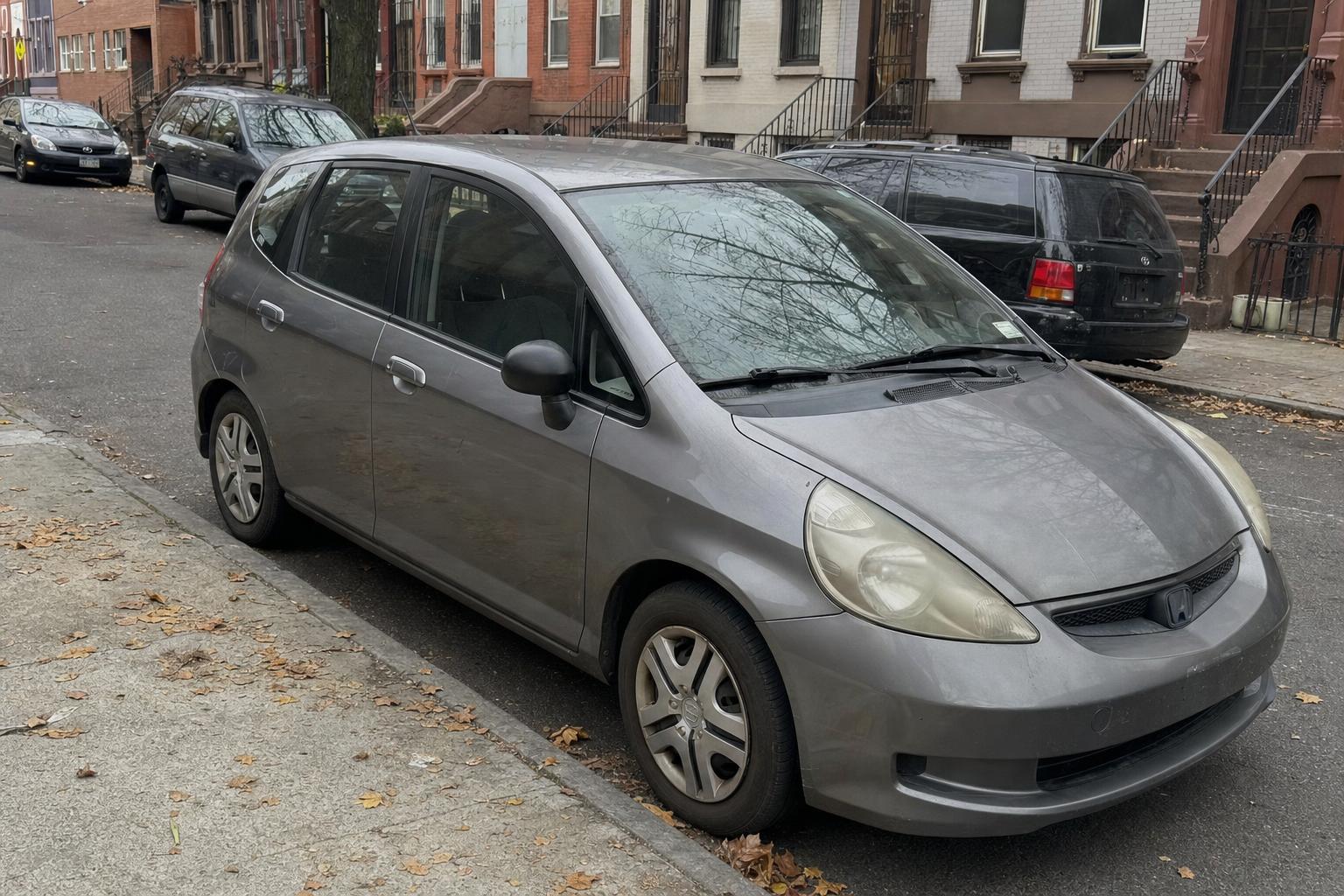
Gray compact hatchback parked at the curb on a Brooklyn street, in front of attached rowhouses with stoops and scattered fallen leaves.

Before donating your household’s last car, test how you will handle an ordinary week without it. Your plan should cover more than the commute: groceries, appointments, caregiving, weekend errands and the ride home after a late shift all matter. We want you to feel ready for that change before you start your Brooklyn car donation.

We operate locally in Staten Island and Brooklyn. When you are ready to donate, our team can answer your vehicle donation questions. First, give yourself time to build a transportation plan that works for everyone who depends on your car.

Map the trips your household actually makes

Start with your calendar and a week or two of travel notes. Ask every household member to contribute, including anyone you regularly drive. Record each destination, required arrival time, usual departure time and return trip.

  • Work and school: Include early starts, late finishes, activities and days when schedules overlap.
  • Shopping: List grocery runs, pharmacy visits and trips involving bulky or heavy purchases.
  • Care and appointments: Include recurring appointments, visits to relatives and any need for another person’s assistance.
  • Less frequent travel: Add weekend commitments, trips outside Brooklyn and seasonal responsibilities.

Mark which trips have fixed arrival times and which can move. Then write a possible replacement beside each one: walking, subway, bus, a paid ride, delivery or an agreed ride with someone you know. Leave a blank where you have not found a workable option. Those blanks deserve attention before you give up the car.

Test routes at the times you need them

Use the MTA’s trip-planning and service resources to look up your journeys and check service alerts. Plan the return journey separately, especially when you finish work late or travel on weekends.

Try a full week without using your car for routine travel, if practical. Keep the car available while you test the alternatives. Take your normal work bag, grocery trolley or other everyday items so the trial reflects your actual needs.

Record door-to-door time rather than only time aboard a train or bus. Include the walk to the stop, waiting, transfers and the final walk to your destination. Note whether you arrived comfortably or had to rush. Test a second route for any trip where one missed connection would create a serious problem.

Compare actual household costs

Use your own bills for the car side of the comparison: insurance, parking, fuel, tolls, maintenance and any loan payment. Separate recurring expenses from occasional ones, and count only savings that would actually follow from no longer having the vehicle.

For transit, the MTA’s current subway and bus fares list a $3 base fare for most subway and local bus riders and $7.25 for express buses. With the same OMNY card, payment card or device, fares are capped at $35 within a seven-day period for subway and local bus travel, or $67 including express buses.

Build your replacement budget for the whole household, not just one commuter. Add the paid rides, deliveries and occasional rentals you reasonably expect to use. Use receipts from your trial week and actual quotes for trips you could not test. Keep a separate allowance for unexpected travel rather than treating the cheapest possible week as your normal budget.

Make accessibility part of the route

If anyone needs step-free travel, start with the MTA’s accessible-trip tools and station resources. Check the complete journey, including transfers and the entrance you intend to use.

Check MTA elevator and escalator status before leaving. Write down an alternative route for an elevator outage, and test whether the extra walking or transfer is manageable for the person making the trip.

For eligible customers whose disabilities prevent them from using public buses and subways, MTA Access-A-Ride provides shared-ride paratransit service. Explore eligibility, application and booking arrangements before making it part of your household’s transportation plan.

Give late-night trips a separate backup

For each late shift or evening commitment, write down a primary route and a backup. Check service for the actual travel time, identify where you would wait and get a realistic price for a paid ride home. If you expect help from a friend or relative, agree on availability instead of leaving the arrangement open-ended.

Discuss what you will do if your phone battery runs out, a connection is missed or your usual companion cannot travel. Keep essential route details and contact numbers somewhere you can reach without your phone.

Donate when the plan works in practice

Review the trial together. Can everyone reach essential destinations on time? Does the budget include realistic backup travel? Have you resolved the trips that still depend on the car? If not, keep testing and adjust your donation timing.

Once you are comfortable with the change, explore our vehicle donation services. We provide towing at no cost to donors and answer questions about donating your vehicle. Start your donation online when your household is ready to take the next step.

by TroopsReliefFund
https://troopsrelieffund.org/wp-content/uploads/2026/11/brooklyn-last-car-transportation-plan-kobpla.jpg 1024 1536 TroopsReliefFund https://troopsrelieffund.org/wp-content/uploads/2017/04/logo.png TroopsReliefFund2026-11-04 16:00:002026-11-03 12:37:22Plan Everyday Transportation Before Donating Your Last Car in Brooklyn
Page 1 of 512345

About Troops Relief Fund

We send overseas care packages and assist veterans with vet dogs, as well as provide support to the wounded warrior project. Donation proceedings go to Phillips Global ROTC Program for armed forces. Our focus is on the areas of Staten Island, Brooklyn, and Queens.

Learn More

Contact Us

Phone: 1-646-402-6102

Address: 400C Victory Boulevard
Staten Island, NY 10301
(Staten Island Chapter)

P.O. Box:PO Box 140580
Howard Beach, NY 11414

How It Works

Call Us! (or Click)
Speak to a professional who will walk you through our fast and easy process. (You can also click here and do everything yourself online!)
Schedule Your Pickup
We always make sure to choose a time that’s most convenient to you. You tell us where your vehicle can be picked up, and we’ll do everything else!.
Donation
Your vehicle will be sold in an auction or recycled into new materials. The proceeds from either of these sales will benefit the charities that have partnered with Troops Relief Fund.
Tax Deduction
Finally, once we have your donation, we mail you a tax-deductible receipt. Save it, and use it on next year’s taxes to claim your deduction. It’s that easy!.

© Copyright - Troops Relief Fund Web Design by NB Technologies
Scroll to top Scroll to top Scroll to top