Found Rodent Droppings in an Unused Car? Avoid Unsafe Cleanup Before Donation
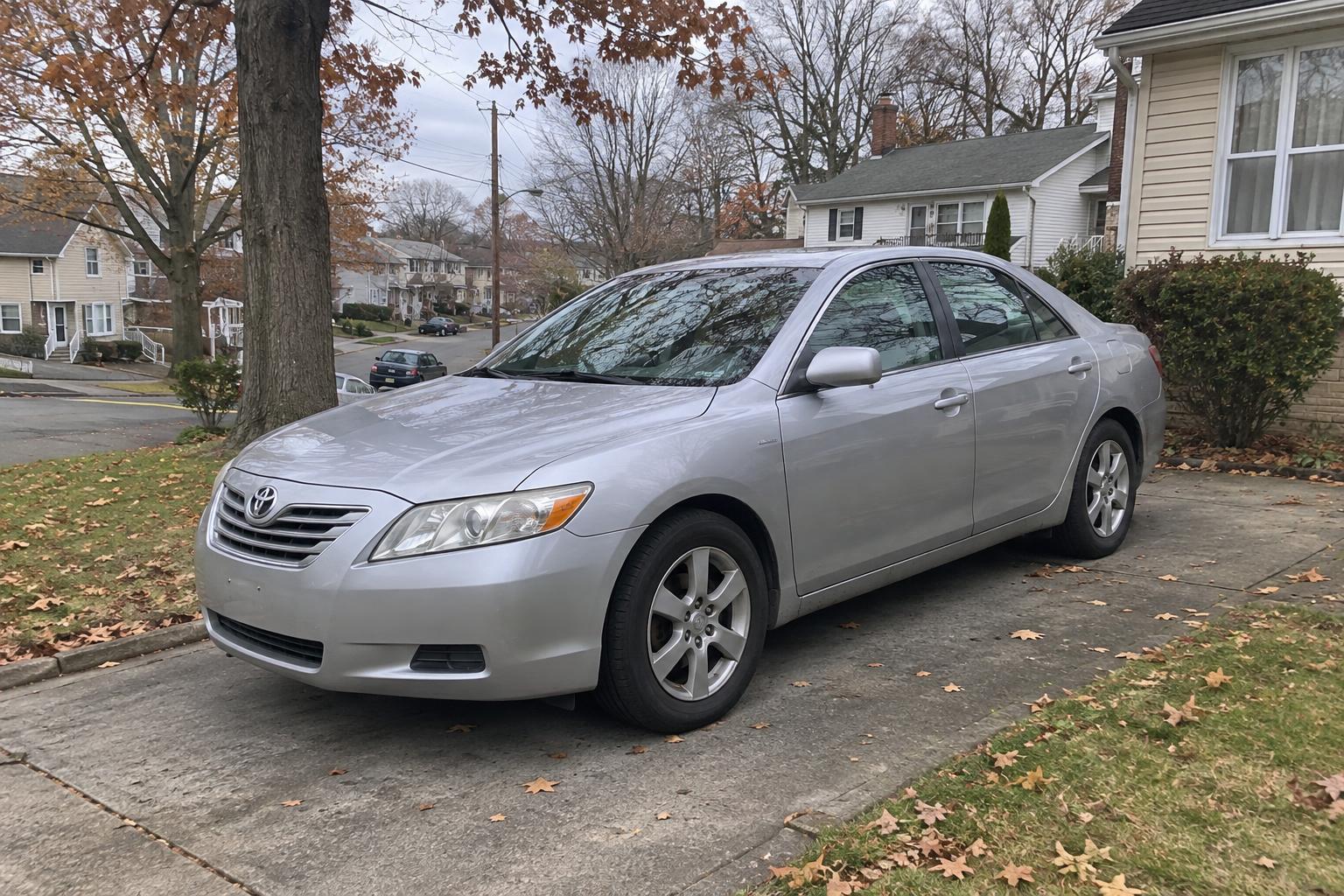
If you find suspected rodent droppings in an unused car, pause before tidying it for donation. Do not dry sweep or vacuum the waste. Disturbing contaminated material can put infectious particles into the air. Follow the CDC’s rodent cleanup precautions rather than treating it like ordinary dirt.
For your staten island car donation, we encourage you to tell us about suspected contamination before making pickup arrangements. Describe what you noticed without pulling apart seats, opening ducts or disturbing a nest just to give us more detail.
Ventilate before inspecting an unused vehicle
With the vehicle in a well-ventilated location, open the hood, doors and trunk and let it air out for 20 minutes. Air intakes and filters should be inspected before starting an engine that has been idle for an extended period. These are specific steps in the CDC’s vehicle inspection guidance.
If the car is parked in an enclosed garage, ask an automotive professional how to proceed rather than starting it simply to move it outside. Tell the professional about the droppings before they approach the vehicle.
Use protective measures and wet cleanup methods
Wear rubber or plastic gloves and a long-sleeved shirt. For accessible contamination you can safely address, the CDC’s disinfection steps include:
- Soak waste thoroughly with disinfectant and wait five minutes, or follow the product’s label instructions.
- Lift the material with paper towels and dispose of it in the garbage.
- Disinfect the surrounding area after removing the waste.
- Wash gloved hands before removing gloves, then wash bare hands with soap and warm water.
Do not use a pressure washer to dislodge contaminated material. Engine-compartment inspection also involves battery-disconnection precautions; ask a qualified mechanic to handle that work if you need assistance.
When professional help is the better choice
If contamination is extensive or nests appear inside air intakes or ventilation components, stop and seek qualified automotive help. Extensive infestation can require replacement of hoses, ductwork, filters or fans, not just surface cleaning. Public Health guidance on rodent-infested vehicles recommends professional inspection and cleanup in these circumstances.
When calling a mechanic or cleanup professional, describe where you saw the material and whether the vehicle has been started recently. Ask whether they handle rodent-contaminated vehicles before arranging a visit. You do not need to investigate hidden areas yourself to make that first call.
Tell us what you found before arranging donation
We tow donated cars, trucks and motorcycles at no cost to donors, including vehicles that no longer run. Our vehicle donation team also answers questions about donation and pickup. Explore our vehicle donation services and free towing when considering your next step.
Before contacting us, you might write down:
- Where you noticed droppings or nesting material.
- Whether any cleanup has already been attempted.
- Where the vehicle is parked and whether it runs.
- Whether an automotive professional has inspected it.
Share only what you already know. Keep suspected contamination separate from routine donation preparation, and put safe handling ahead of making the vehicle look presentable. Call us at 1-646-402-6102 to describe the vehicle and ask your donation questions before arranging pickup.