
Staten Island Car Donation | Troops Relief Fund
  • Home
  • How To Donate
  • Our Mission
  • Our Services
  • Why Donate Your Car?
  • Blog
  • Donate
  • Menu Menu

Tag Archive for: prepare car for donation

Flood-Damaged Car Donation: Stay Safe Before Touching or Starting the Vehicle

Staten Island Car Donation Tips

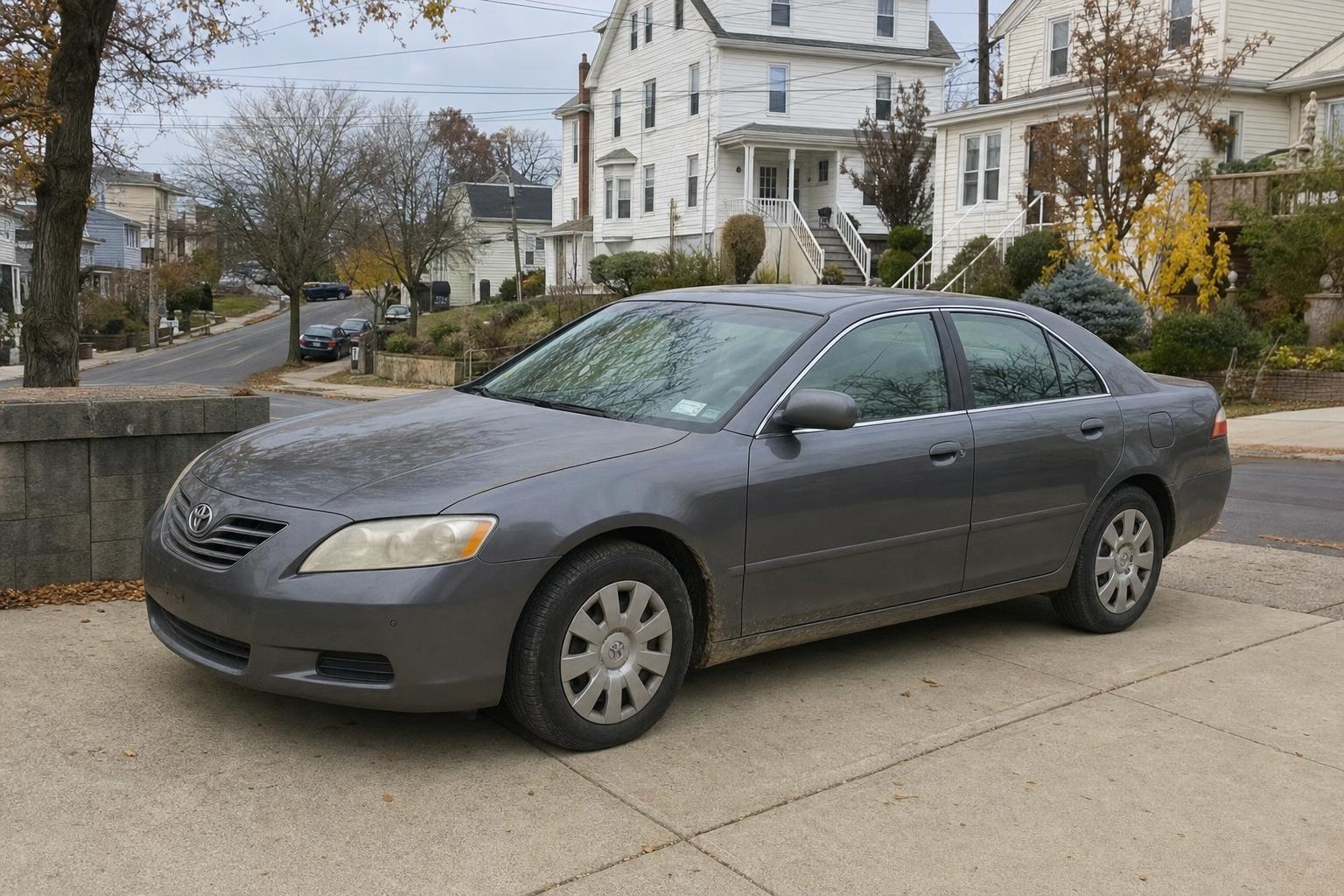
Gray sedan with dried mud along its lower doors on a driveway beside detached Staten Island homes.

If your car has been flooded, do not try to start it to see whether it still runs. Arrange a professional assessment before switching it on or driving it. Flood damage can be hidden, even after the water recedes. NHTSA’s flood-vehicle safety guidance emphasizes assessing the vehicle before starting it.

If you are considering staten island car donation after a flood, we want you to put your safety first. We tow vehicles whether or not they run. Call us to discuss the flood exposure rather than attempting a restart for a donation inquiry.

Leave restart attempts and electrical work to professionals

Keep the ignition off and leave testing to a qualified automotive professional. Do not use a jump-start as a test or try to drive the car a short distance to make it easier to reach. Tell the professional whether the vehicle was parked, running or stalled when the flooding occurred.

Water exposure does not mean a battery has lost its charge. Leave battery removal and electrical disconnection to trained professionals rather than reaching into wet components. The CDC’s floodwater precautions warn that car batteries in floodwater may still carry an electrical charge.

Take extra care with electric and hybrid vehicles

Flooded electric and hybrid vehicles can present high-voltage shock and fire hazards. Do not touch exposed wiring or attempt to service the high-voltage battery. If you suspect battery damage, contact your dealer or emergency services. If a fire occurs, move away and call 911. NHTSA’s electric and hybrid vehicle safety guidance explains these hazards and the need for trained handling.

NHTSA also advises keeping a damaged vehicle with a lithium-ion battery out of a garage and at least 50 feet from structures, other vehicles and combustible materials. If the vehicle is already in an unsafe location, seek professional help with moving it rather than starting it yourself. See NHTSA’s damaged-battery storage precautions.

Keep your distance from contaminated water

Do not wade through standing water to retrieve keys, belongings or paperwork. Floodwater can contain sewage, hazardous chemicals and sharp debris. Keep children away from the affected area, and postpone entering the car or handling wet interior materials until you have professional safety advice. The CDC recommends staying out of floodwater to reduce exposure to these hazards.

Document the exposure without putting yourself at risk

A short written record can help you explain the vehicle’s condition to a mechanic, your insurer and us. Record what you already know; there is no need to enter an unsafe area to fill in missing details. Useful notes include:

  • The date and location of the flooding.
  • The approximate highest water level you observed from a safe location.
  • Whether the water was known to be freshwater or saltwater, or whether its source is unknown.
  • Whether the vehicle was running, stalled or parked during the flood.
  • Any restart, jump-start or charging attempts already made.
  • Photos taken safely from dry ground and any professional assessment records.

Describe unknown details as unknown. Keep existing photographs and records together instead of switching on the dashboard to obtain more information.

Discuss donation after addressing immediate hazards

Ask a qualified automotive professional how the vehicle can be safely approached, assessed and transported. For an electric or hybrid model, seek someone trained to handle its high-voltage system. Share the flood history before anyone arrives to inspect or move it.

We arrange free pickup at a convenient time and tow vehicles whether or not they are working. When you contact us about a flood-exposed car, describe its condition, location and any professional safety advice you have received so we can discuss the next step.

Explore our Staten Island car donation process, or Call us at 1-646-402-6102 to discuss your vehicle. You can also Start your donation online. Leave the engine off and make safety your first step.
by TroopsReliefFund
https://troopsrelieffund.org/wp-content/uploads/2026/11/staten-island-flood-damaged-car-safety-bmsdu7.jpg 1024 1536 TroopsReliefFund https://troopsrelieffund.org/wp-content/uploads/2017/04/logo.png TroopsReliefFund2026-11-06 16:15:002026-11-03 12:38:09Flood-Damaged Car Donation: Stay Safe Before Touching or Starting the Vehicle

Erase Your Personal Data Before Donating a Car on Staten Island

Staten Island Car Donation Tips

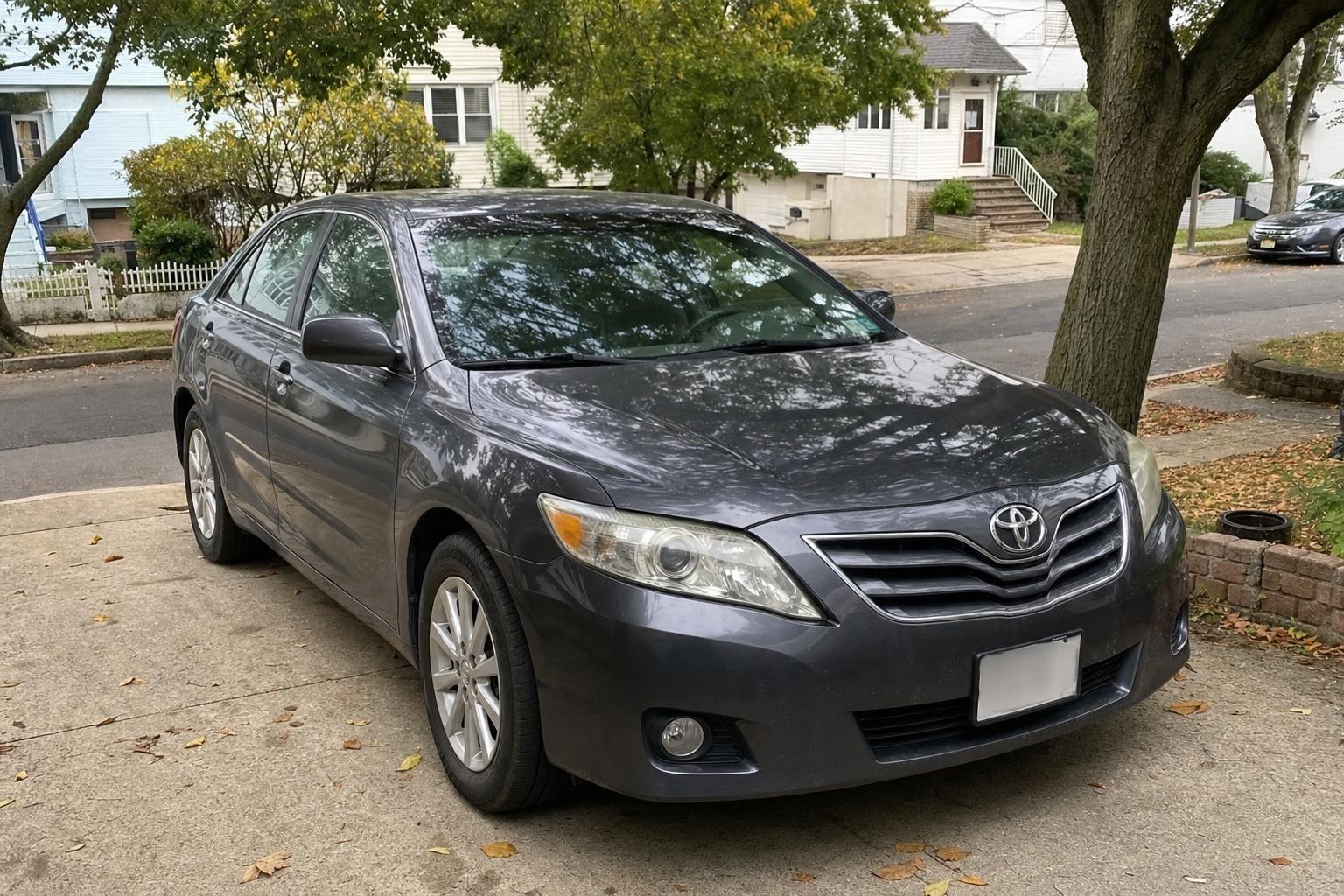
Sedan parked in a Staten Island driveway beside detached homes and autumn trees.

Before your staten island car donation, save the information you need, clear personal data from the vehicle, and disconnect its connected services. Your navigation system, paired phones, and vehicle apps deserve the same attention as your glove compartment. The Federal Trade Commission’s vehicle privacy checklist identifies saved addresses, contacts, app logins, and garage-door codes as information to remove before donating.

At Troops Relief Fund, we arrange free pickup at a convenient time and tow vehicles whether or not they run. Make your digital cleanup part of your own preparation before handing over the keys.

1. Save what you still need

Before deleting anything, make a short list of information you want to keep. Consider useful destinations, records you access through the vehicle app, and any personal files stored in the infotainment system. Copy needed details to a secure location you control, then check that you can open them without using the car.

  • Write down useful saved addresses without retaining unnecessary trip history.
  • Save any maintenance records or receipts you want for your personal files.
  • Remove your USB drives, memory cards, and other personal storage devices.
  • Ask other household drivers to check whether they have profiles or connected accounts to remove.

Find the owner’s manual for your exact model year and infotainment system before starting the reset. Keep those instructions available on your phone or in print.

2. Delete navigation history and paired phones

Check navigation menus for Home, Work, favorites, recent destinations, and saved routes. Clear the entries using your vehicle’s instructions. Also check for downloaded contacts, call history, saved app credentials, and programmed garage-door information. The FTC’s removal checklist can help you organize this sweep.

Remove each paired phone through the vehicle’s device settings, following the manual. On your phone, remove the vehicle’s saved connection as well. For an iPhone using CarPlay, the sequence is Settings, General, CarPlay, your vehicle, then Forget This Car, as shown in GMC’s CarPlay instructions. Use your phone manufacturer’s directions for other connection types.

3. Perform the correct infotainment reset

Use the manufacturer’s personal-data or factory-reset procedure for your particular vehicle, rather than borrowing instructions from a different model. Follow all displayed prompts and operating conditions, and allow the procedure to finish.

For example, Volvo’s factory-reset instructions vary by model and model year. Volvo states that its factory reset removes paired phones and stored data and settings. Its EX30 and EX90 models use different reset menu labels, illustrating why the exact instructions matter.

Afterward, inspect the accessible menus for your name, phone, contacts, and saved destinations. Consider keeping a private checklist of the settings you cleared. Do not reconnect your phone just to test the system.

4. Revoke connected-car access separately

Check the manufacturer’s app and online account for the procedure to remove your vehicle and end its connection to your account. Include any other household accounts linked to the car. Follow the manufacturer’s sequence, since account removal and an in-car reset may interact.

Deleting an app from your phone is not the same as disconnecting the vehicle. Ford’s connected-vehicle privacy instructions explain that deleting its app does not disable vehicle data sharing. Ford also identifies account-removal steps for vehicles with a Connectivity Device. Use the directions that apply to your own vehicle and equipment.

Review satellite radio, hotspot, and other vehicle subscriptions separately. A factory reset may leave those services active; the FTC recommends canceling or transferring them.

5. Finish your preparation before pickup

If the screen will not power on or you cannot complete a reset, contact the vehicle manufacturer or a dealer for model-specific help. You can still review account-removal options from your phone or computer while seeking assistance.

Keep digital preparation separate from arranging your donation: follow the manufacturer’s instructions for your data and accounts, and contact us to arrange vehicle pickup. Explore our Staten Island car donation options, start your donation online, or call us at 1-646-402-6102.

by TroopsReliefFund
https://troopsrelieffund.org/wp-content/uploads/2026/11/staten-island-car-donation-data-privacy-1dct3n.jpg 1024 1536 TroopsReliefFund https://troopsrelieffund.org/wp-content/uploads/2017/04/logo.png TroopsReliefFund2026-11-03 16:15:002026-11-01 09:34:11Erase Your Personal Data Before Donating a Car on Staten Island

Preparing Your Vehicle for Donation: A Brooklyn Checklist

Brooklyn Car Donation Tips

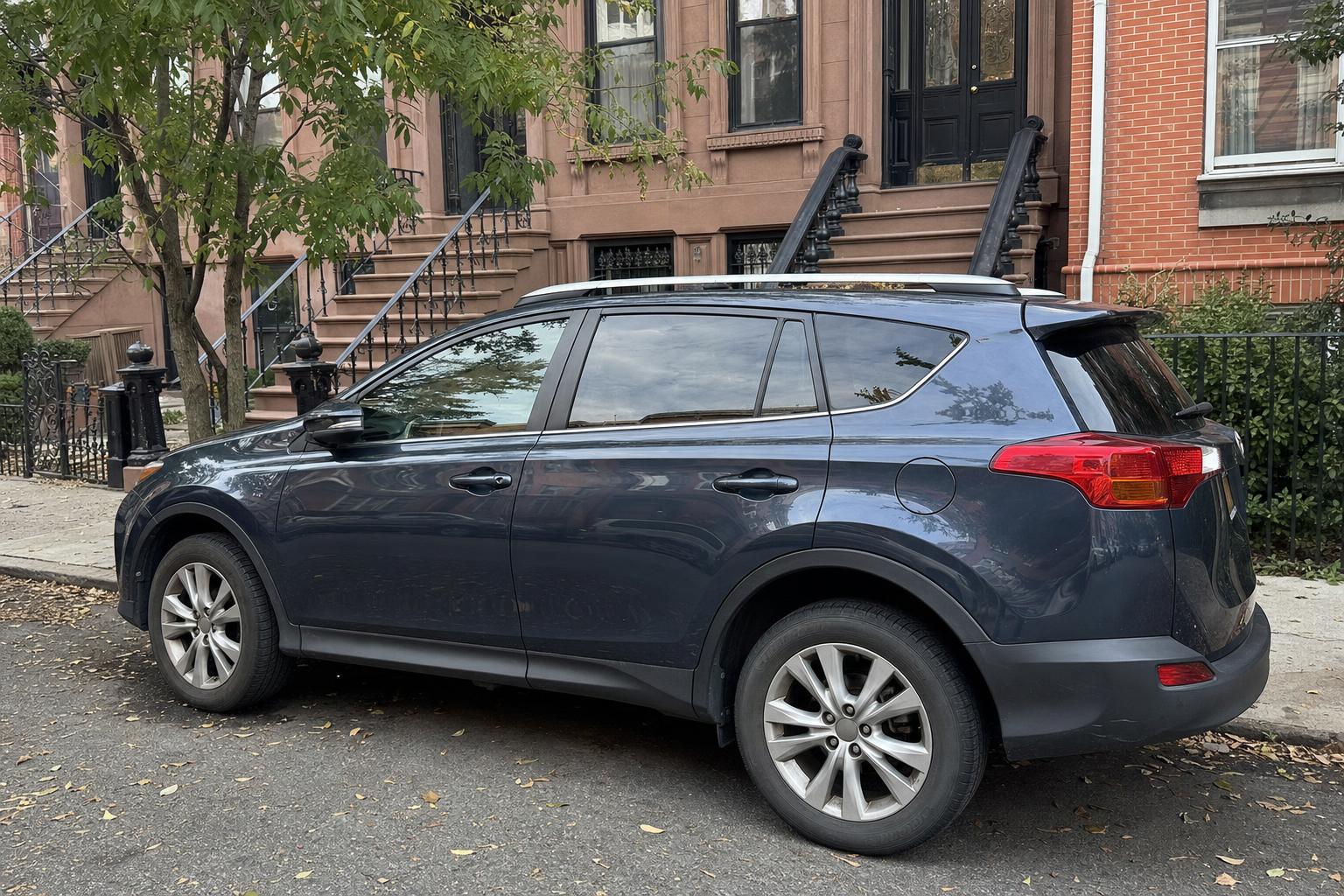
Unbranded vehicle parked beside brownstone stoops on a Brooklyn residential street

Getting ready for a brooklyn car donation does not mean cleaning, repairing, or removing parts from the vehicle. A little preparation can help you organize useful information and identify questions before you contact a program. The checklist below is general guidance, not a list of Troops Relief Fund requirements. Ask about anything you are unsure of before taking action.

Before contacting the program

  • Write down the vehicle basics. Note the year, make, model, approximate location, and whether it currently starts or has visible damage. These details can help you describe the vehicle accurately. Do not assume that a particular condition makes it eligible; ask the program directly.
  • Check who can authorize the donation. If the vehicle has more than one owner, is part of an estate, or has paperwork you do not understand, pause and ask what documentation or authorization may be needed. Do not guess about ownership or title rules.
  • Choose a practical pickup location. Consider where a vehicle could be accessed on your Brooklyn block, such as a driveway or curbside space, and whether there are access constraints. Explain the situation when arranging pickup and ask the program what details it needs. Do not reserve or block a public space unless you have confirmed what is permitted.
  • Prepare questions, not assumptions. You might ask which documents to have available, what should happen to the plates, whether keys are needed, and how to handle a vehicle that will not start. These are sensible questions, not stated TRF rules.

Inside-and-out check before pickup

  • Remove personal belongings from the cabin, trunk, glove compartment, and storage pockets. Check for paperwork, garage remotes, toll devices, and anything you intend to keep.
  • Gather keys and any vehicle records you already have, but do not mail or hand over original documents without clear instructions.
  • Take a final walk around the vehicle. Note any changed condition or access issue you should mention. A wash or repair is not automatically necessary; ask before spending money to prepare the vehicle.
  • Keep a record of your communications and any documents provided. For tax questions, consult a qualified tax professional; do not assume a donation guarantees a particular deduction or tax result.

What to expect when you contact TRF

The Troops Relief Fund’s Brooklyn car donation page says that, if you call to make a donation, staff will collect the information needed to schedule pickup. It also says donors can share when and where pickup works for their schedule. That means you can start by describing the vehicle and asking what, if anything, you should prepare. The page does not specify the paperwork, plate, key, or personal-item steps above, so confirm those details directly rather than treating this checklist as program policy.

A calm, accurate description and a short list of questions are usually a better starting point than rushing into cleaning or repairs. For Brooklyn donors, confirm the pickup arrangements and any uncertain preparation details with the program before the scheduled visit.

by TroopsReliefFund
https://troopsrelieffund.org/wp-content/uploads/2026/10/brooklyn-vehicle-donation-preparation-checklist-8mqspc.jpg 1024 1536 TroopsReliefFund https://troopsrelieffund.org/wp-content/uploads/2017/04/logo.png TroopsReliefFund2026-10-15 16:00:002026-10-11 09:21:40Preparing Your Vehicle for Donation: A Brooklyn Checklist

About Troops Relief Fund

We send overseas care packages and assist veterans with vet dogs, as well as provide support to the wounded warrior project. Donation proceedings go to Phillips Global ROTC Program for armed forces. Our focus is on the areas of Staten Island, Brooklyn, and Queens.

Learn More

Contact Us

Phone: 1-646-402-6102

Address: 400C Victory Boulevard
Staten Island, NY 10301
(Staten Island Chapter)

P.O. Box:PO Box 140580
Howard Beach, NY 11414

How It Works

Call Us! (or Click)
Speak to a professional who will walk you through our fast and easy process. (You can also click here and do everything yourself online!)
Schedule Your Pickup
We always make sure to choose a time that’s most convenient to you. You tell us where your vehicle can be picked up, and we’ll do everything else!.
Donation
Your vehicle will be sold in an auction or recycled into new materials. The proceeds from either of these sales will benefit the charities that have partnered with Troops Relief Fund.
Tax Deduction
Finally, once we have your donation, we mail you a tax-deductible receipt. Save it, and use it on next year’s taxes to claim your deduction. It’s that easy!.

© Copyright - Troops Relief Fund Web Design by NB Technologies
Scroll to top Scroll to top Scroll to top