Flood-Damaged Car Donation: Stay Safe Before Touching or Starting the Vehicle
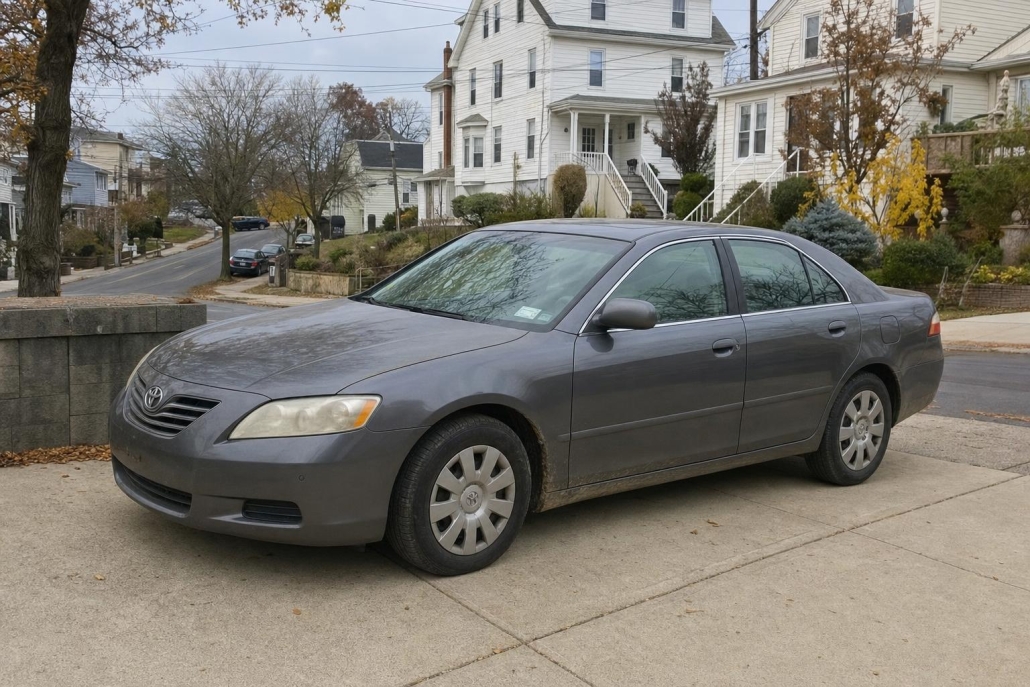
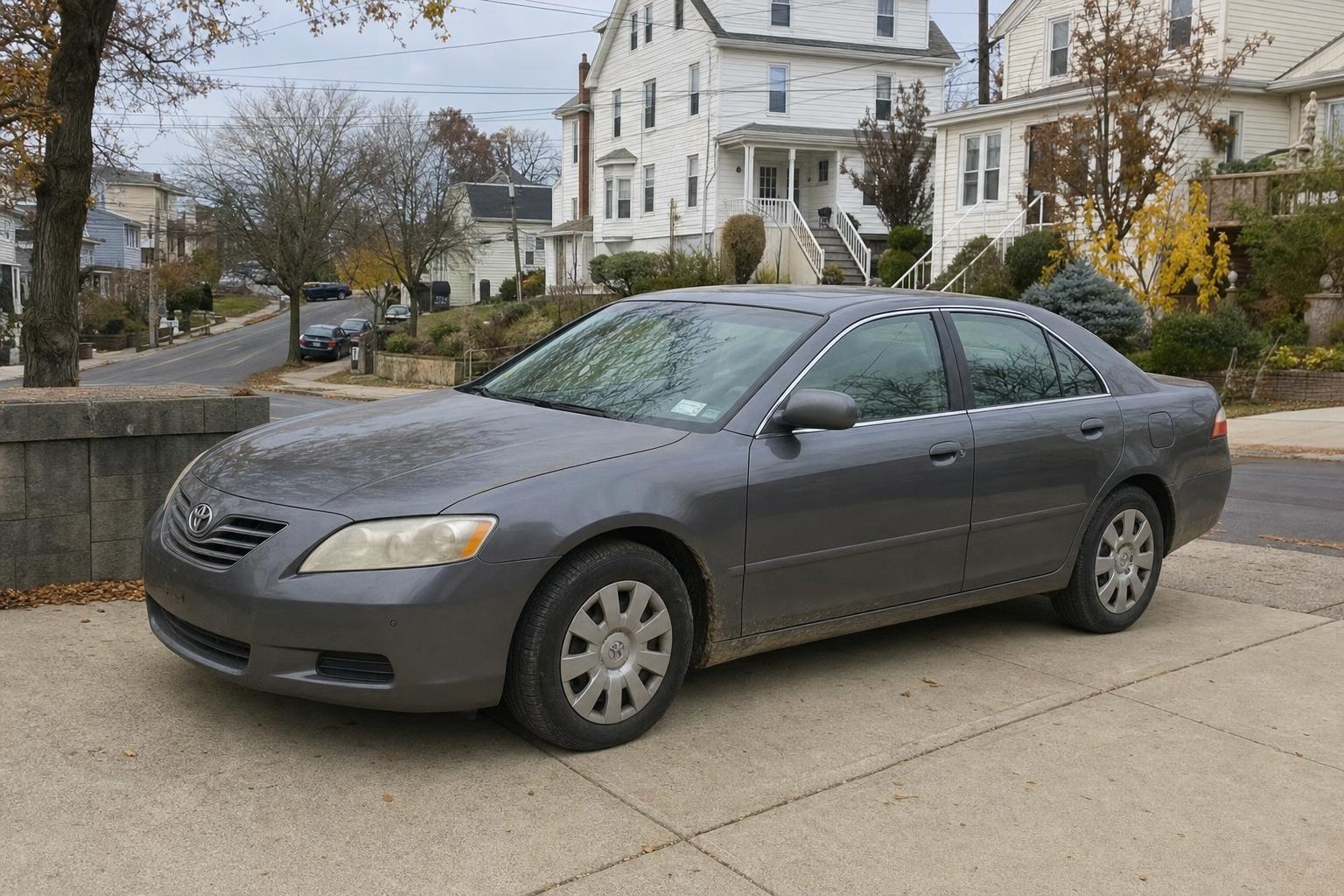
If your car has been flooded, do not try to start it to see whether it still runs. Arrange a professional assessment before switching it on or driving it. Flood damage can be hidden, even after the water recedes. NHTSA’s flood-vehicle safety guidance emphasizes assessing the vehicle before starting it.
If you are considering staten island car donation after a flood, we want you to put your safety first. We tow vehicles whether or not they run. Call us to discuss the flood exposure rather than attempting a restart for a donation inquiry.
Leave restart attempts and electrical work to professionals
Keep the ignition off and leave testing to a qualified automotive professional. Do not use a jump-start as a test or try to drive the car a short distance to make it easier to reach. Tell the professional whether the vehicle was parked, running or stalled when the flooding occurred.
Water exposure does not mean a battery has lost its charge. Leave battery removal and electrical disconnection to trained professionals rather than reaching into wet components. The CDC’s floodwater precautions warn that car batteries in floodwater may still carry an electrical charge.
Take extra care with electric and hybrid vehicles
Flooded electric and hybrid vehicles can present high-voltage shock and fire hazards. Do not touch exposed wiring or attempt to service the high-voltage battery. If you suspect battery damage, contact your dealer or emergency services. If a fire occurs, move away and call 911. NHTSA’s electric and hybrid vehicle safety guidance explains these hazards and the need for trained handling.
NHTSA also advises keeping a damaged vehicle with a lithium-ion battery out of a garage and at least 50 feet from structures, other vehicles and combustible materials. If the vehicle is already in an unsafe location, seek professional help with moving it rather than starting it yourself. See NHTSA’s damaged-battery storage precautions.
Keep your distance from contaminated water
Do not wade through standing water to retrieve keys, belongings or paperwork. Floodwater can contain sewage, hazardous chemicals and sharp debris. Keep children away from the affected area, and postpone entering the car or handling wet interior materials until you have professional safety advice. The CDC recommends staying out of floodwater to reduce exposure to these hazards.
Document the exposure without putting yourself at risk
A short written record can help you explain the vehicle’s condition to a mechanic, your insurer and us. Record what you already know; there is no need to enter an unsafe area to fill in missing details. Useful notes include:
- The date and location of the flooding.
- The approximate highest water level you observed from a safe location.
- Whether the water was known to be freshwater or saltwater, or whether its source is unknown.
- Whether the vehicle was running, stalled or parked during the flood.
- Any restart, jump-start or charging attempts already made.
- Photos taken safely from dry ground and any professional assessment records.
Describe unknown details as unknown. Keep existing photographs and records together instead of switching on the dashboard to obtain more information.
Discuss donation after addressing immediate hazards
Ask a qualified automotive professional how the vehicle can be safely approached, assessed and transported. For an electric or hybrid model, seek someone trained to handle its high-voltage system. Share the flood history before anyone arrives to inspect or move it.
We arrange free pickup at a convenient time and tow vehicles whether or not they are working. When you contact us about a flood-exposed car, describe its condition, location and any professional safety advice you have received so we can discuss the next step.
Explore our Staten Island car donation process, or Call us at 1-646-402-6102 to discuss your vehicle. You can also Start your donation online. Leave the engine off and make safety your first step.