Staten Island Car Donation | Troops Relief Fund
  • Home
  • How To Donate
  • Our Mission
  • Our Services
  • Why Donate Your Car?
  • Blog
  • Donate
  • Menu Menu

Tag Archive for: staten island car donation tips

Can You Donate a Leased Car in Staten Island?

Staten Island Car Donation Tips

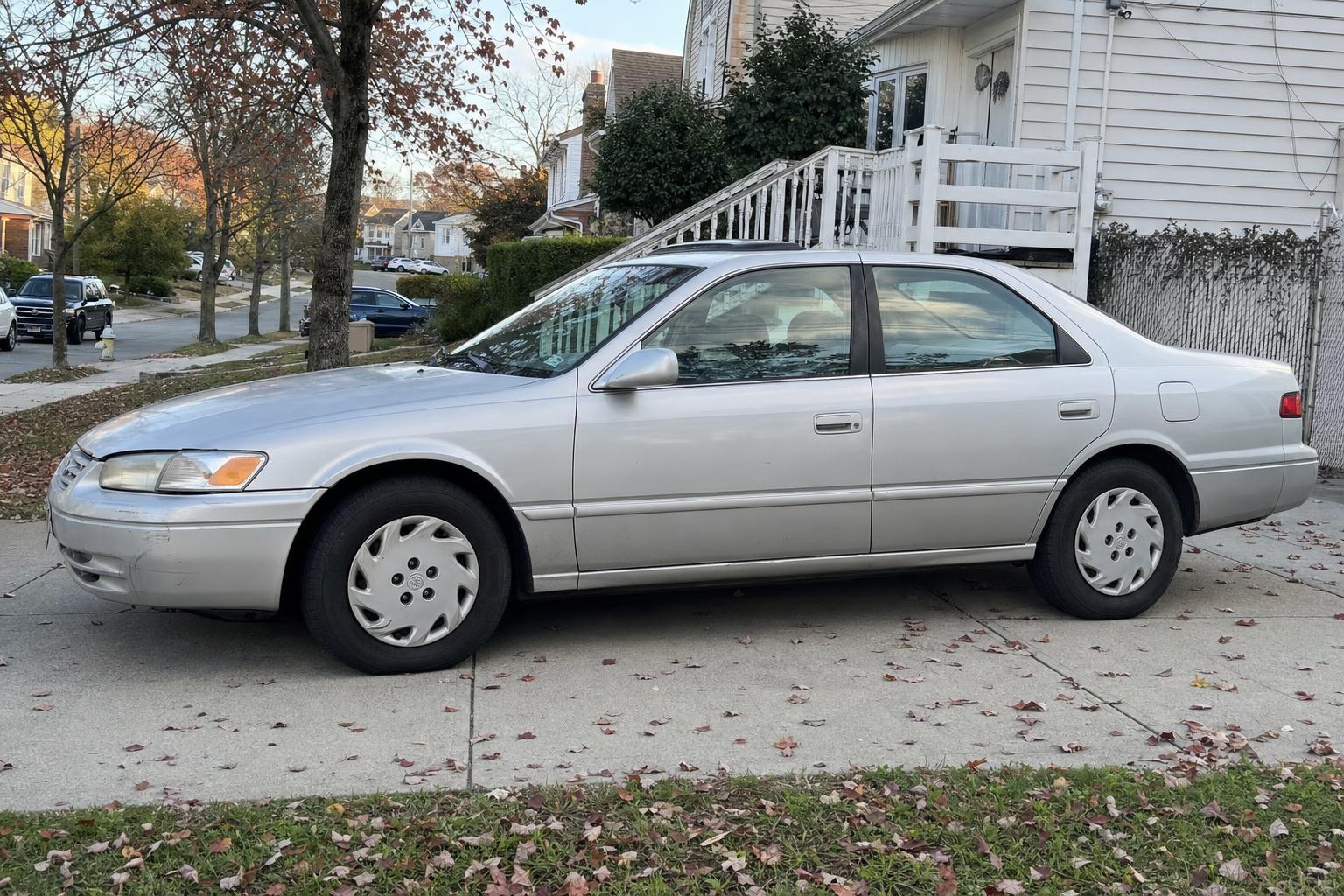
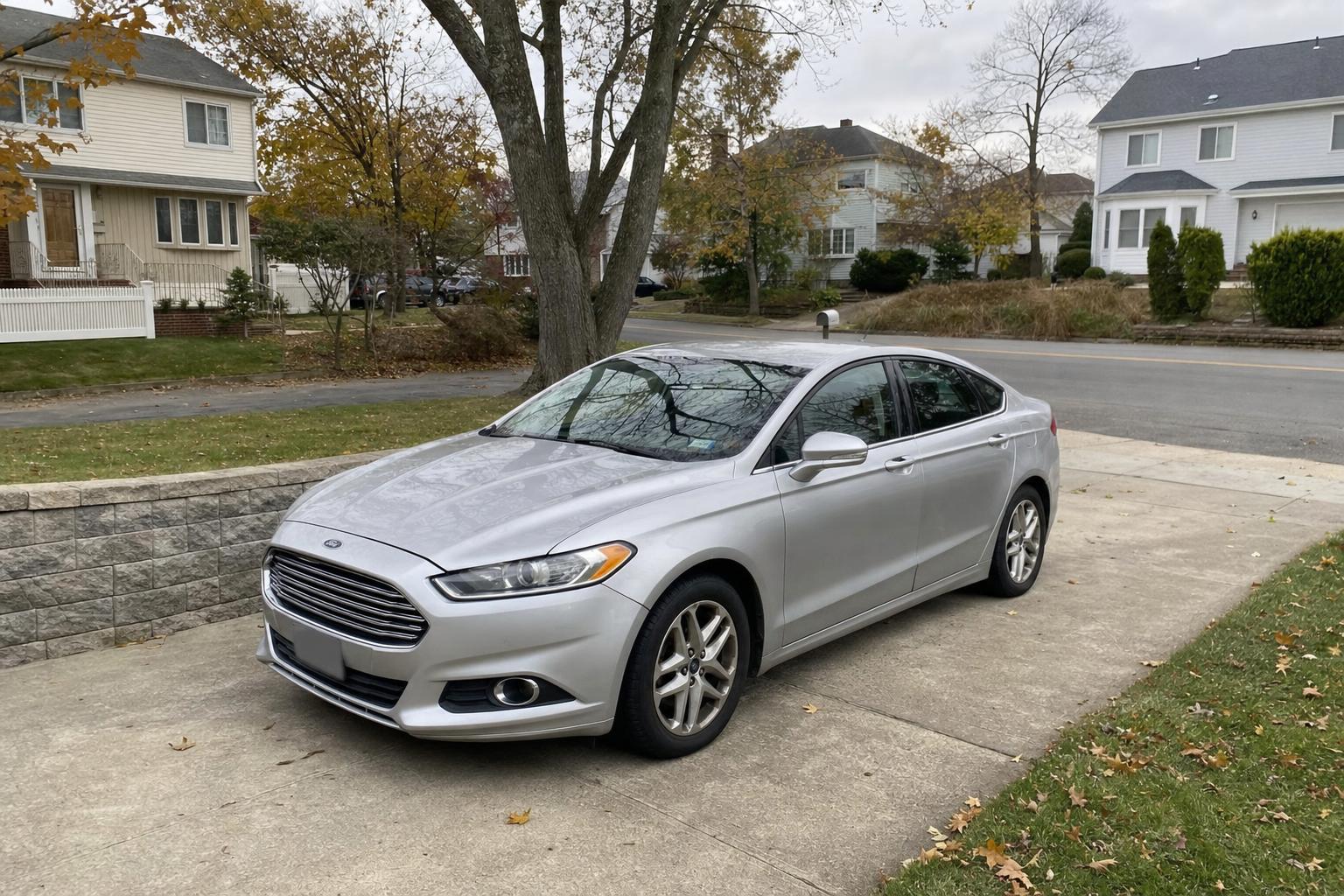
Silver sedan in a Staten Island driveway beside detached homes and autumn trees.

If you are considering staten island car donation for a leased vehicle, start with ownership. Driving the car and making its monthly payments do not make you its owner. The leasing company, also called the lessor, owns the vehicle. You cannot decide to give away its property simply because the lease is nearly finished. New York DMV explains that the leasing company holds the title in its name in its leased-vehicle ownership guidance.

We want you to make a clear, informed decision before planning a donation. Separate two questions: how will you satisfy your lease, and will you eventually own a vehicle you can transfer?

Check your lease before making donation plans

Gather your signed lease, any amendments and your latest account statement. Identify the lessor named in the agreement rather than relying only on the dealership where you collected the car.

Read the sections covering the end date, return instructions, purchase options, early termination and restrictions on transferring the vehicle or lease. Federal leasing rules require disclosures about purchase options, early-termination charges and applicable wear-and-use standards. You can consult the Consumer Financial Protection Bureau’s lease disclosure requirements for those categories.

Consider asking your lessor these questions and requesting written answers:

  • Does my agreement include a purchase option, and when can I exercise it?
  • What is the itemized purchase amount for the date I am considering?
  • What would I owe if I returned the car at the scheduled end of the lease?
  • What separate charges would apply if I ended the lease early?
  • What restrictions apply to a third-party purchase or other transfer?

Compare returning the car with buying it

Returning it at the scheduled end

Returning a leased car is a contractual option, not a charitable donation. For a closed-end lease, the return bill can include excess-mileage charges, excess wear-and-tear charges, a disclosed disposition fee and other unpaid amounts. The Federal Reserve’s vehicle-return guidance explains these end-of-term responsibilities.

For your comparison, write down the lessor’s estimated return charges and any remaining scheduled payments. Ask about the return inspection and keep the return acknowledgment and final account records. Treat estimates and final bills as separate documents.

Buying the car

A buyout means purchasing the vehicle, not donating it. The option exists only if your agreement permits it. The CFPB’s leasing-versus-buying guidance explains that you may purchase at lease-end when your lease includes that option.

Request a complete written purchase quote showing the price, applicable taxes, fees and any other amounts due. If you would borrow to purchase, include financing costs in your comparison. Ask which return-related charges would apply under the purchase option rather than carrying those charges into both totals automatically.

Then compare the total cost with your budget and your reasons for wanting the car. Buying a vehicle solely to donate it creates an additional purchase decision. Give that decision the same care you would give any other substantial expense.

Do not confuse early return with release from the lease

Ending a lease early can involve substantial charges. Handing over the keys does not, by itself, end your payment obligations. Review the early-termination terms separately from the scheduled lease-end options. New York residents can also consult the New York Attorney General’s vehicle-leasing guidance for state consumer protections.

Resolve ownership before arranging a transfer

Do not sign as the owner or authorize a donation pickup merely because the vehicle is in your driveway. Registration and possession are not substitutes for ownership. If you choose a buyout, ask the lessor what ownership documents it will supply and use New York DMV’s title guidance to address the title transaction before attempting a later donation.

Keep your lease decision separate from your donation decision. First resolve the contract and establish your authority to transfer the vehicle. Then speak with us about donating a vehicle you own.

We tow donated cars, trucks and motorcycles at no cost to our donors. Explore our vehicle donation services, or call us at 1-646-402-6102 with your donation questions.
by TroopsReliefFund
https://troopsrelieffund.org/wp-content/uploads/2026/11/staten-island-leased-car-ownership-qdws9z.jpg 1024 1536 TroopsReliefFund https://troopsrelieffund.org/wp-content/uploads/2017/04/logo.png TroopsReliefFund2026-11-07 16:15:002026-11-03 12:38:29Can You Donate a Leased Car in Staten Island?

Flood-Damaged Car Donation: Stay Safe Before Touching or Starting the Vehicle

Staten Island Car Donation Tips

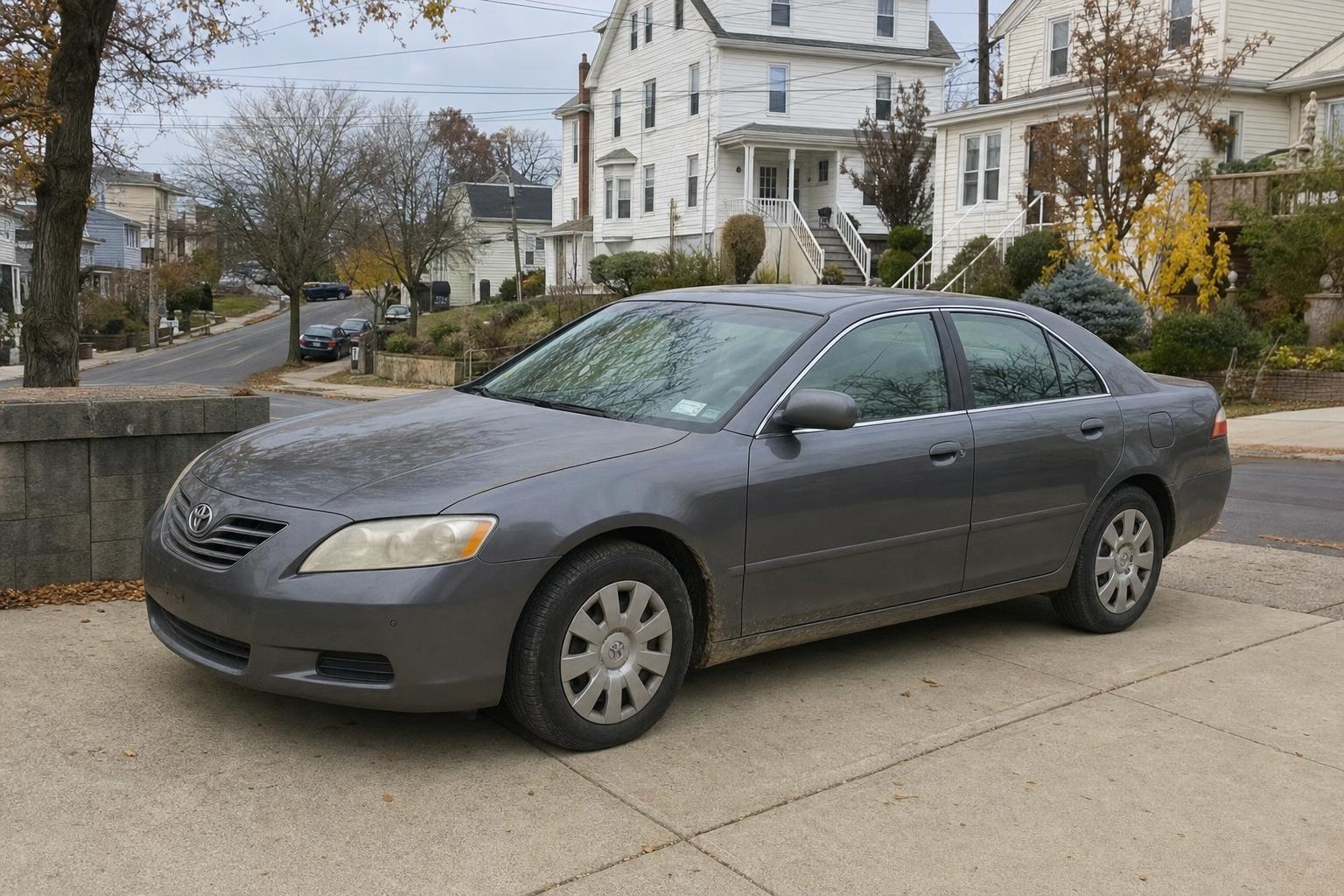
Gray sedan with dried mud along its lower doors on a driveway beside detached Staten Island homes.

If your car has been flooded, do not try to start it to see whether it still runs. Arrange a professional assessment before switching it on or driving it. Flood damage can be hidden, even after the water recedes. NHTSA’s flood-vehicle safety guidance emphasizes assessing the vehicle before starting it.

If you are considering staten island car donation after a flood, we want you to put your safety first. We tow vehicles whether or not they run. Call us to discuss the flood exposure rather than attempting a restart for a donation inquiry.

Leave restart attempts and electrical work to professionals

Keep the ignition off and leave testing to a qualified automotive professional. Do not use a jump-start as a test or try to drive the car a short distance to make it easier to reach. Tell the professional whether the vehicle was parked, running or stalled when the flooding occurred.

Water exposure does not mean a battery has lost its charge. Leave battery removal and electrical disconnection to trained professionals rather than reaching into wet components. The CDC’s floodwater precautions warn that car batteries in floodwater may still carry an electrical charge.

Take extra care with electric and hybrid vehicles

Flooded electric and hybrid vehicles can present high-voltage shock and fire hazards. Do not touch exposed wiring or attempt to service the high-voltage battery. If you suspect battery damage, contact your dealer or emergency services. If a fire occurs, move away and call 911. NHTSA’s electric and hybrid vehicle safety guidance explains these hazards and the need for trained handling.

NHTSA also advises keeping a damaged vehicle with a lithium-ion battery out of a garage and at least 50 feet from structures, other vehicles and combustible materials. If the vehicle is already in an unsafe location, seek professional help with moving it rather than starting it yourself. See NHTSA’s damaged-battery storage precautions.

Keep your distance from contaminated water

Do not wade through standing water to retrieve keys, belongings or paperwork. Floodwater can contain sewage, hazardous chemicals and sharp debris. Keep children away from the affected area, and postpone entering the car or handling wet interior materials until you have professional safety advice. The CDC recommends staying out of floodwater to reduce exposure to these hazards.

Document the exposure without putting yourself at risk

A short written record can help you explain the vehicle’s condition to a mechanic, your insurer and us. Record what you already know; there is no need to enter an unsafe area to fill in missing details. Useful notes include:

  • The date and location of the flooding.
  • The approximate highest water level you observed from a safe location.
  • Whether the water was known to be freshwater or saltwater, or whether its source is unknown.
  • Whether the vehicle was running, stalled or parked during the flood.
  • Any restart, jump-start or charging attempts already made.
  • Photos taken safely from dry ground and any professional assessment records.

Describe unknown details as unknown. Keep existing photographs and records together instead of switching on the dashboard to obtain more information.

Discuss donation after addressing immediate hazards

Ask a qualified automotive professional how the vehicle can be safely approached, assessed and transported. For an electric or hybrid model, seek someone trained to handle its high-voltage system. Share the flood history before anyone arrives to inspect or move it.

We arrange free pickup at a convenient time and tow vehicles whether or not they are working. When you contact us about a flood-exposed car, describe its condition, location and any professional safety advice you have received so we can discuss the next step.

Explore our Staten Island car donation process, or Call us at 1-646-402-6102 to discuss your vehicle. You can also Start your donation online. Leave the engine off and make safety your first step.

by TroopsReliefFund
https://troopsrelieffund.org/wp-content/uploads/2026/11/staten-island-flood-damaged-car-safety-bmsdu7.jpg 1024 1536 TroopsReliefFund https://troopsrelieffund.org/wp-content/uploads/2017/04/logo.png TroopsReliefFund2026-11-06 16:15:002026-11-03 12:38:09Flood-Damaged Car Donation: Stay Safe Before Touching or Starting the Vehicle

Can You Donate an Abandoned Car That Is Not Yours?

Staten Island Car Donation Tips

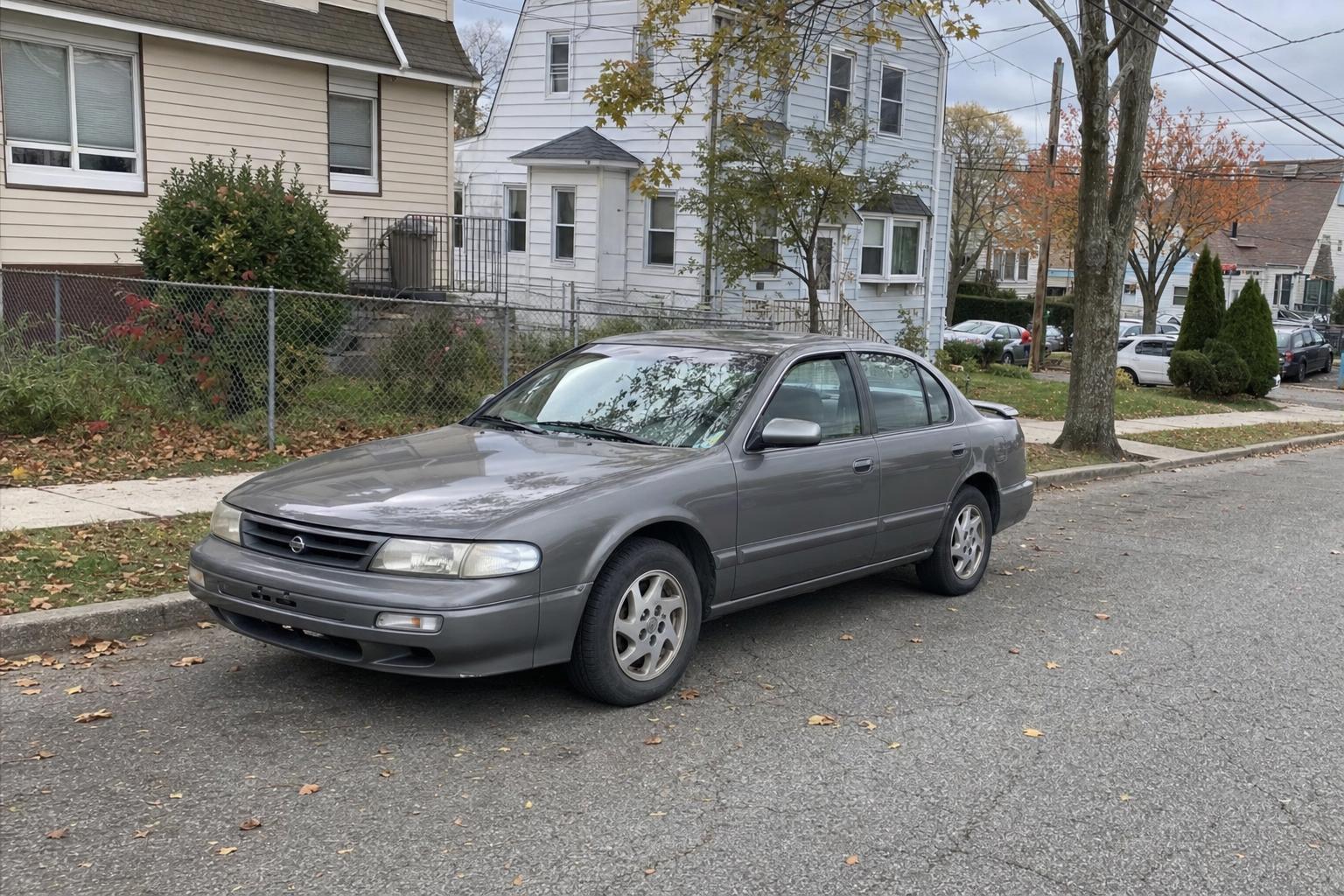
Gray sedan parked beside detached homes and trees on a Staten Island residential street

No. A car that appears abandoned is not yours to donate simply because it is parked near your home or left on your property. For Staten Island car donation, start by separating two questions: do you own the vehicle or have legal authority to transfer it, or do you need to report someone else’s vehicle? New York requires acceptable proof of ownership for a vehicle transfer, and abandoned vehicles have a separate legal process. See the New York DMV ownership-transfer requirements.

Possession is not ownership

Having the keys, access to a driveway, or responsibility for a property does not by itself establish ownership of a vehicle. Neither does a car’s worn appearance. Before offering a vehicle for donation, check the ownership documents and your authority to sign a transfer. If you are helping another owner, keep that owner involved rather than signing as though the vehicle belongs to you.

If someone left a car on your property, follow the abandoned-vehicle process rather than completing a donation form in your own name. The DMV’s abandoned-vehicle guidance directs you to the local authority with jurisdiction and to contact local police to check whether the vehicle was reported stolen before disposal.

Document what you can observe safely

For a useful report, consider keeping a short, factual record. Describe what you actually observed rather than guessing who owns the car or why it is there.

  • Note the exact location, nearby address or cross streets, and whether the vehicle is on a public street, driveway, or other private property.
  • Record the make, model if recognizable, color, and whether any license plates are visible.
  • Write down when you first noticed it and the dates of any later observations.
  • Take photographs only from somewhere you are permitted to stand, without stepping into traffic or entering someone else’s property.
  • Leave doors, windows, plates, and belongings untouched. Do not enter the vehicle or try to move it yourself.

Keep any report reference number with your notes so you can refer to the same concern later.

Reporting a vehicle on a public street

NYC311 separates reports by plate status. A vehicle with at least one fixed metal license plate or an in-transit paper registration plate can be reported after at least 48 hours on public property; local police handle these reports. Vehicles without plates on City streets or sidewalks go through DSNY assessment, with some referred to police. Use NYC311’s abandoned-vehicle reporting options to choose the appropriate route.

DSNY’s public-property removal criteria distinguish derelict vehicles from other abandoned vehicles. Missing plates alone do not establish that a car meets those criteria. Read the DSNY derelict-vehicle guidance rather than trying to classify or dispose of it yourself.

What changes on private property?

For property owners, NYC311 describes a DSNY removal route for vehicles without plates abandoned by someone else. It requires a signed waiver, access for removal, and a fee tied to scrap-metal pricing. Vehicles belonging to the property owner are excluded from that service. Common driveways are not public property. Follow the written-request instructions in NYC311’s private-property removal guidance, or call 311 for help selecting the appropriate channel.

For other private-property situations, including a vehicle with plates, contact your local police agency for direction. The DMV identifies a separate, limited disposal process for qualifying abandoned vehicles; that process is not an ordinary donation transfer. Use the DMV instructions for abandoned vehicles before taking disposal steps.

When the vehicle is yours to donate

If you own an unwanted vehicle, we can discuss donating it. We are Troops Relief Fund, based in Staten Island and serving Staten Island and Brooklyn. We raise funds through donated vehicle auctions and the sale of recycled automotive materials, supporting charities that help military personnel, veterans, and their families in the New York City area. Learn more about our mission and the communities we serve.

For your own vehicle, start your donation online or call us at 1-646-402-6102. For someone else’s abandoned vehicle, use the City reporting route instead.

by TroopsReliefFund
https://troopsrelieffund.org/wp-content/uploads/2026/11/staten-island-parked-sedan-spuwsl.jpg 1024 1536 TroopsReliefFund https://troopsrelieffund.org/wp-content/uploads/2017/04/logo.png TroopsReliefFund2026-11-05 16:15:002026-11-03 12:37:47Can You Donate an Abandoned Car That Is Not Yours?

Choosing a Convenient Time for Your Staten Island Donation Pickup

Staten Island Car Donation Tips

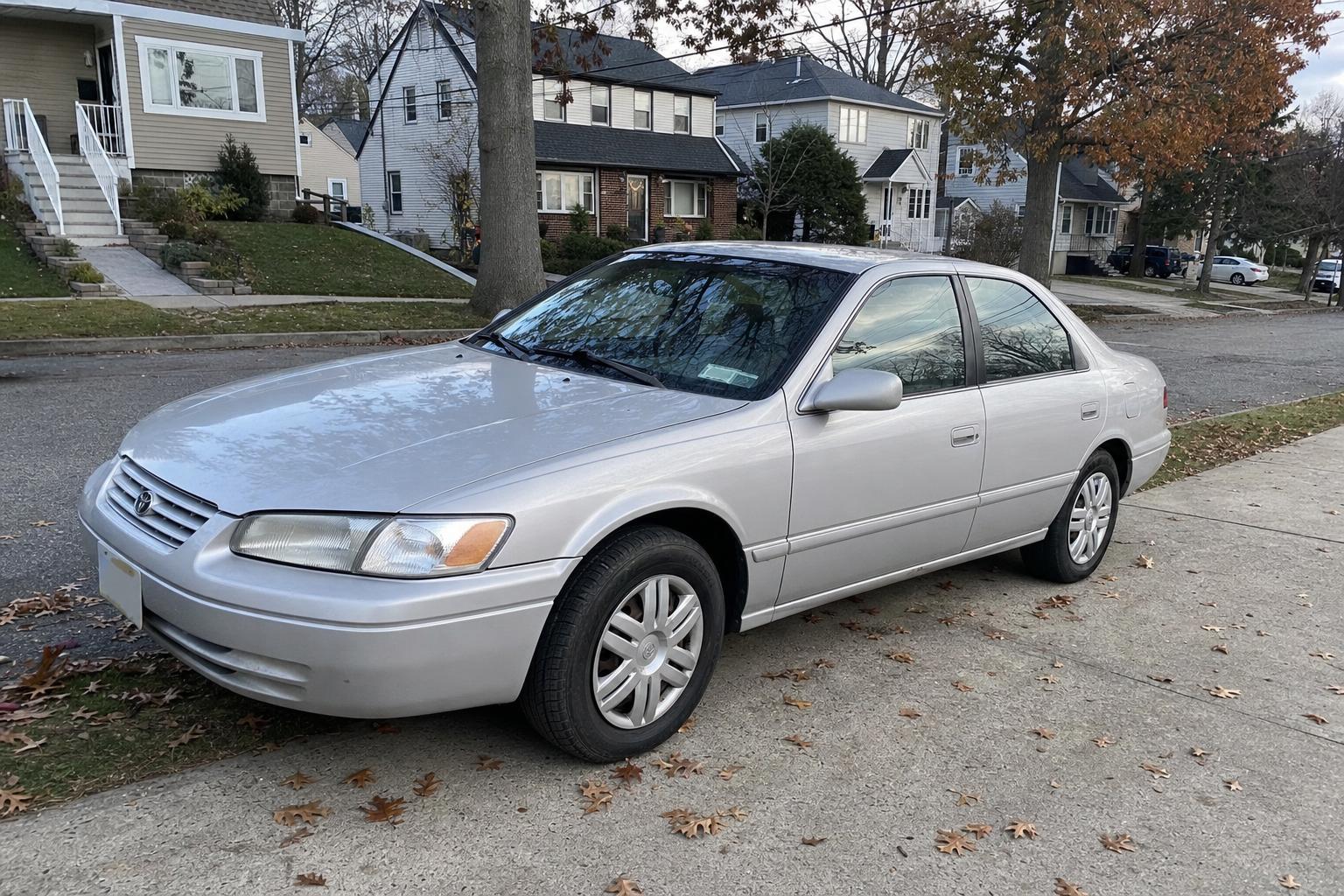
Silver sedan parked in a Staten Island driveway beside detached homes and autumn trees.

A convenient donation pickup starts with knowing which parts of your week genuinely work for you. Before contacting us, check your calendar, identify a few realistic time windows, and note any commitments you cannot move. Share those details with us so we can arrange your vehicle pickup around your availability.

At Troops Relief Fund, we arrange vehicle pickup and towing at no cost to you. We work with you to choose a convenient time and location. You can begin by calling us or completing our online donation form.

Choose availability you can comfortably offer

Think about your normal routine rather than choosing the earliest opening on your calendar. A gap between two appointments may look convenient until you account for your commute, school pickup, or another obligation. Offer times that leave you comfortable room for your other plans.

Before you call, consider writing down:

  • Your preferred day and time window: Choose the option that fits your schedule best.
  • One or two alternatives: If other days could work, keep those options handy.
  • Firm limits: Note when you leave for work, have an appointment, or become unavailable.
  • The vehicle’s location: Be ready to tell us where you would like it picked up.

You do not need to offer your entire week. A clear description of your actual availability is more useful than saying you are free anytime when you have other commitments.

Separate your preferred time from an arranged pickup

Tell us which option you prefer and which alternatives you could manage. For example, you might say, “Thursday afternoon works best for me, and Friday morning could also work. I leave for work at noon on Friday.” That gives us a practical starting point for the scheduling conversation.

Keep a requested day separate from the pickup time you arrange with us. Once we have settled on the details together, add them to your calendar so you can plan your other commitments around them.

Share location details that matter to your plans

Your availability and the vehicle’s location belong in the same conversation. If the car is at a different address from your home, include that location when you contact us. If your own access to that location is limited to certain hours, explain that too.

We accept cars, trucks, and motorcycles, including vehicles that do not run. Let us know whether your vehicle runs when you discuss pickup. You can also mention where it is parked, such as a residential driveway, and ask any questions you have about the arrangements.

Make room for the scheduling conversation

If you begin online, we contact you within 24 hours to arrange pickup. Keep your availability notes nearby so you can share them when we get in touch. That contact is for arranging the pickup, so keep your preferred collection day clear in the conversation.

If your plans change while you are arranging pickup, tell us your updated availability. Sharing a revised window is more helpful than trying to keep an option that no longer fits your day.

Start with your calendar, then contact us

For your staten island car donation, a short list of workable times is a useful first step. Choose your preference, note any alternatives, and have the pickup location ready to share.

Call us at 1-646-402-6102 to discuss your availability, or start your donation online. We will work with you to arrange a convenient pickup.

by TroopsReliefFund
https://troopsrelieffund.org/wp-content/uploads/2026/10/staten-island-car-donation-pickup-planning-ehetu9.jpg 1024 1536 TroopsReliefFund https://troopsrelieffund.org/wp-content/uploads/2017/04/logo.png TroopsReliefFund2026-10-29 16:15:002026-10-25 09:42:21Choosing a Convenient Time for Your Staten Island Donation Pickup

Donating a Car with Memories Attached in Staten Island

Staten Island Car Donation Tips

Older silver sedan in a Staten Island driveway beside detached homes and autumn trees.

A car can hold more than miles. It might remind you of family trips, a first job, or someone you love. When you consider letting it go, the difficult question may not be whether you still need transportation. It may be whether parting with the vehicle feels like parting with its story.

You can respect those memories while making a practical decision. If you are considering staten island car donation, we invite you to separate what the vehicle means to you from what you need it to do today. Neither answer needs to cancel out the other.

Separate the memory from the vehicle’s current role

Take a few quiet minutes with a notebook. Make two columns: What this car means to me and What this car does for me now. Keep both lists honest, without trying to persuade yourself toward donation.

In the first column, you might write about a favorite trip, a familiar routine, or the person who used to sit beside you. In the second, consider how often you use the car, whether your household still needs it, and how much attention you want to give it.

The purpose is not to put a price on your memories. It is to notice whether keeping the physical vehicle still serves something important in your present life.

Ask four questions before deciding

  1. If the memories were preserved elsewhere, would I still want the car? This helps distinguish attachment to the story from a wish to keep using or caring for the vehicle.
  2. What would keeping it make possible? Be specific about the role you want it to have, rather than relying only on “maybe someday.”
  3. What would letting it go make possible? Consider space, time, fewer responsibilities, or the opportunity to support a cause you care about.
  4. Am I ready, or am I responding to pressure? Give yourself room to make a considered choice rather than using guilt as a deadline.

If you remain undecided, choose a date to revisit your notes. Before then, identify one question you want to resolve, such as whether you genuinely expect to use the car again. A specific question is more useful than repeatedly asking yourself whether you should feel ready.

Keep the story in a form you can return to

You do not have to erase a car’s place in your life when you let it go. Before deciding, you could photograph it in a familiar setting, write down a favorite memory, or ask relatives what they remember about riding in it.

  • Save a few photographs alongside a short note about why the vehicle mattered.
  • Record the details you might otherwise forget, such as a favorite destination or a family nickname for the car.
  • Invite someone who shares those memories to help you make a small album.

These are personal options, not donation requirements. Choose whatever feels meaningful, including doing nothing special if you would prefer a quiet goodbye.

Consider whether donation fits your next step

Donation may fit when you no longer want to keep the vehicle and helping servicemen and veterans matters to you. At Troops Relief Fund, donation proceeds support local troops and veterans in the New York City area. We provide free vehicle pickup throughout Staten Island and Brooklyn, including vehicles that do not run.

You can explore why donating your car can support troops and veterans as you weigh that choice. The decision can honor both your connection to the car and your priorities now.

Take the next step when you feel ready

You can be grateful for what a vehicle has meant without keeping it indefinitely. You can also take more time if it still has a place in your life. A thoughtful decision leaves room for both sentiment and practical needs.

When donation feels like the right next chapter, start your donation online or call us at 1-646-402-6102 to ask about donating your vehicle.

by TroopsReliefFund
https://troopsrelieffund.org/wp-content/uploads/2026/10/staten-island-car-memories-8sbzn8.jpg 1024 1536 TroopsReliefFund https://troopsrelieffund.org/wp-content/uploads/2017/04/logo.png TroopsReliefFund2026-10-25 16:15:002026-10-25 09:40:50Donating a Car with Memories Attached in Staten Island

Antique Vehicle Donation: A Staten Island Owner’s Decision

Staten Island Car Donation Tips

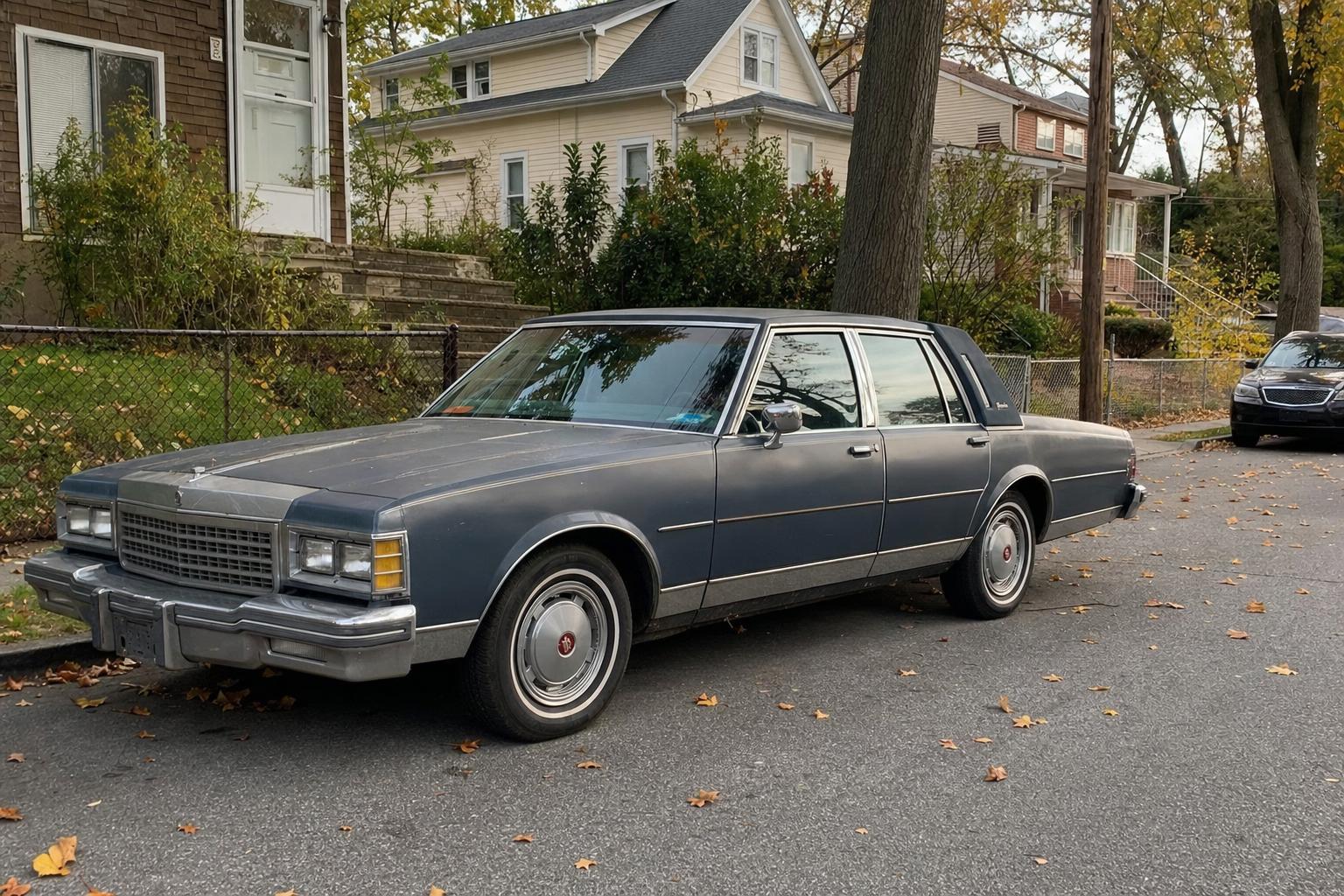
Antique sedan parked on a tree-lined Staten Island residential street

Letting go of an antique vehicle can feel different from parting with an everyday car. It may carry family memories, reflect years of care, or still fit your plans. If you are considering a staten island car donation, weigh attachment, how you use the vehicle, and your charitable intentions. If unsure whether your antique is suitable, ask Troops Relief Fund before making plans.

Start with what the vehicle means to you

Think about whether you enjoy driving, maintaining, or simply keeping it. A rarely used car may still matter personally. You need not rush because it is old or takes up space. Listing what you value about keeping it and what you hope might change can clarify your priorities.

If relatives share the vehicle or it is tied to an estate, discuss plans with anyone whose agreement or authorization may be needed. Check applicable New York ownership requirements and your documents before transfer. Requirements vary by circumstance, so do not rely on an informal family agreement.

Confirm the vehicle is suitable

An antique does not have to be a showpiece to be worth asking about. TRF’s Staten Island car donation page says its program accepts cars, trucks, and motorcycles whether or not they are working. It does not specify special eligibility rules for antique or collector vehicles. Confirm that your particular vehicle can be accepted and ask what information TRF needs.

When you contact the organization, describe the vehicle, whether it runs, where it is located, and any access concerns. Do not assume an unusual condition, storage arrangement, or paperwork situation will be handled a particular way. TRF’s page says pickup is arranged and a time and place can be discussed. Confirm the details for your vehicle.

Consider charitable intent separately

Donation may suit you if supporting a charitable purpose matters more than continuing to own or sell the vehicle. TRF’s page says proceeds from donated vehicles support its stated charitable purposes and describes vehicles being sold at auction or recycled into materials. These details do not promise what an individual antique will bring or how it will be handled. If you are also considering selling, compare the options against your priorities.

Tax treatment depends on individual circumstances and applicable rules. Do not base your decision on an assumed deduction or vehicle value. Ask TRF what documentation it provides, and consult a qualified tax professional about your situation.

Questions to ask before deciding

  • Can TRF accept this specific antique vehicle?
  • What ownership documents or other details should I have ready?
  • How will pickup arrangements work for its location and condition?
  • What documentation will be provided after donation?

A thoughtful decision can honor the vehicle’s place in your life and your reasons for considering a gift. Confirm suitability and logistics directly with TRF, then decide without pressure whether donating is the right next step.

by TroopsReliefFund
https://troopsrelieffund.org/wp-content/uploads/2026/10/antique-vehicle-donation-staten-island-1cqzbs.jpg 1024 1536 TroopsReliefFund https://troopsrelieffund.org/wp-content/uploads/2017/04/logo.png TroopsReliefFund2026-10-15 16:15:002026-10-12 10:31:24Antique Vehicle Donation: A Staten Island Owner’s Decision

How to Discuss Donating a Shared Vehicle with Family

Staten Island Car Donation Tips

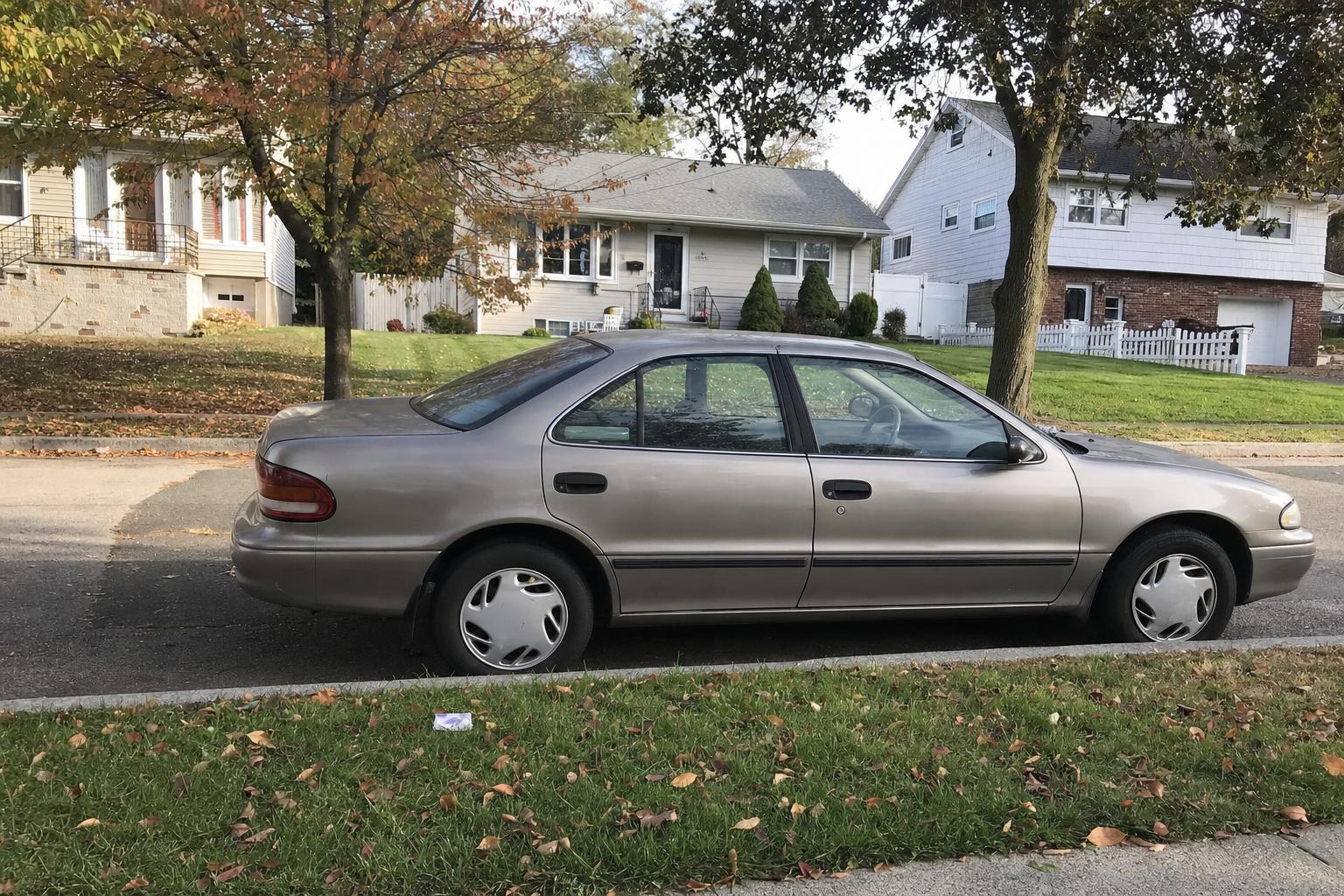
An older sedan parked on a quiet Staten Island residential street lined with detached homes and trees.

Considering a staten island car donation for a vehicle shared with family? Start with a conversation, not a pickup request. Discuss why the vehicle might be donated, when a decision could make sense, and who will contact Troops Relief Fund if the family wants more information. These are discussion steps, not statements of legal consent or ownership requirements.

Agree on the purpose first

People may value the same vehicle differently. One relative may see an unused car taking up space, while another remembers its sentimental value or expects to use it again. Before discussing logistics, ask what each person hopes to accomplish. Is the family looking to stop maintaining a vehicle no one uses, support a charitable cause, or understand its options? There is no need to rush toward an answer.

Try asking:

  • How often is the vehicle being used, and by whom?
  • Would anyone prefer to keep, sell, or continue using it?
  • What information would help us compare donation with those alternatives?
  • Is there a concern we should resolve before contacting anyone?

Talk about timing and practical details

A family can discuss a possible timeframe without committing to a date. Consider whether anyone depends on the vehicle, whether it is parked somewhere accessible, and whether the family needs time to discuss next steps. Avoid promising a pickup date or assuming how arrangements work until you have asked TRF directly.

It may help to write down questions together. The Staten Island page says TRF accepts cars, trucks, and motorcycles, including vehicles that are not in working condition. It also says staff can answer questions. The page describes pickup arrangements at a time and place convenient to the donor, but your family can confirm details for its situation.

Choose one point of contact

If the family decides to ask for information, agree on who will make the initial inquiry and how they will share the response. A point person can keep notes, relay answers, and bring unresolved questions back to the group. Choosing someone to call is a practical communication step. It does not establish who is authorized to make decisions or complete paperwork.

TRF’s page invites people to call about Staten Island vehicle donation and says its staff is ready to answer questions. Review the page together before deciding what to ask. For ownership, legal, or tax questions, seek appropriate guidance rather than assuming a donation process answers them.

Make the decision together

After gathering information, revisit the purpose, timing, and remaining concerns. If relatives disagree, pause and identify what information or discussion might help. A considered decision can be more useful than a rushed one. The first conversation need not settle every detail; it can help the family understand the choice and know what to ask next.

by TroopsReliefFund
https://troopsrelieffund.org/wp-content/uploads/2026/10/staten-island-shared-car-donation-family-ebylqn.jpg 1024 1536 TroopsReliefFund https://troopsrelieffund.org/wp-content/uploads/2017/04/logo.png TroopsReliefFund2026-10-11 16:15:002026-10-11 09:22:03How to Discuss Donating a Shared Vehicle with Family

5 Reasons To Donate To Troops Relief Fund

Staten Island Car Donation Tips

There are many reasons to donate your car with Troops Relief Fund. Especially with so many options out there for selling or donating your car, here are just five reasons why Troops Relief Fund is the best option around.

– Simple, Free Setup. Setting up your car donation can be a chore. Sometimes there are even hidden fees involved with the process. But Troops Relief Fund guarantees no fees and no gimmicks. Just one phone call. Simply provide us with your information, schedule a time and location that works for you, and that’s it.

– Quick and Easy Pickup. Once they have your information and time & place for your vehicle pickup, Troops Relief Fund will pick up your vehicle anywhere on Staten Island. We will even pick up multiple cars and larger vehicles without issue.

– Maximum Tax Deduction. After your vehicle has been picked up, it is either sold at auction or recycled into reusable materials. After this, you are mailed a receipt containing a guaranteed maximum tax deduction to use on your next year’s tax returns.

– All Over Staten Island & More. As previously mentioned, Troops Relief Fund will come and pick up your car or other vehicles anywhere on Staten Island, at a time and place of your choosing. But Troops Relief Fund not only services all of Staten Island, but we also service Brooklyn & Queens; further expanding their reach and allowing for a wide range of locations for your vehicle’s pickup.

– Helping The Troops. One of the best reasons to donate your vehicle through Troops Relief Fund is that the proceeds from your donation go directly to charities such as the Phillips Global ROTC Program for armed forces and The Wounded Warrior Project. As well as towards care packages for active service members & dogs for vets.

So give Troops Relief Fund a call today and take advantage of how simple and easy it is to donate your vehicle and receive your maximum tax deduction.

Call Today To Schedule a Pickup or Request More Information: 1-646-402-6102

by TroopsReliefFund
https://troopsrelieffund.org/wp-content/uploads/2019/08/photo-1464660756002-dd9f9a92b01b.jpg 909 1334 TroopsReliefFund https://troopsrelieffund.org/wp-content/uploads/2017/04/logo.png TroopsReliefFund2019-07-01 17:00:592019-08-05 17:01:185 Reasons To Donate To Troops Relief Fund

How To Donate A Car In NYC

Staten Island Car Donation Tips

At Troops Relief Fund, we know that you have many options to choose from when looking to donate your vehicle. But you’ll find that Troops Relief Fund is the best option for doing so in the NYC area based on how simple our process is.

First of all, vehicle pickup is free. No upfront or hidden fees to tow away your vehicle. Simply give us a call, let us know a time and place that works for you & we will be there. If you call us, we’ll take down your information and schedule everything on the spot. You can also fill out a form on our website and one of our specialists will get back to you within 24 hours.

Your convenience is our top priority. Whether your vehicle is in front of your house, rusting away on a lot, or you even drove it to work that morning; just name the time, the place and we will be there.

Once we have your vehicle, it will be sold at auction or recycled into reusable parts and materials. The proceeds from both will help benefit our partner charities such as sending care packages to troops overseas, assisting veterans with vet dogs, support for the Wounded Warrior Project, and supporting the Phillips Global ROTC Program for armed forces.

We will then mail you a tax-deductible receipt to use on next year’s tax filings to claim your maximum tax deduction. No gimmicks, no hassle, no hidden fees or catch.

It’s that simple. So if you live in the NYC area, contact Troops Relief Fund today and take full advantage of how simple it is to get a maximum tax deduction for your vehicle, as well as supporting charities that make a real difference in the lives of those who have served this country. 

Call Today To Schedule a Pickup or Request More Information: 1-646-402-6102

by TroopsReliefFund
https://troopsrelieffund.org/wp-content/uploads/2019/08/cartrooprelieffund.jpg 901 1349 TroopsReliefFund https://troopsrelieffund.org/wp-content/uploads/2017/04/logo.png TroopsReliefFund2019-05-01 16:58:372019-08-05 16:59:40How To Donate A Car In NYC

Donating A Car On Staten Island

Staten Island Car Donation Tips

Are you looking to donate your old car or other vehicle and live on Staten Island? Got a clunker taking up space in your driveway? Just upgraded to a new car and looking to sell or donate your old model? Well, Troops Relief Fund is here to help and we make it so that donating your car or vehicle could not be easier.

Simply contact us over the phone and provide us with some information about you and your car, then give us a time and place to pick it up. Troops Relief Fund will pick up your car anywhere around Staten Island, from the North Shore by the ferry, all the way by the South Shore and Tottenville. You can even fill out a form on their website and we will have one of our representatives respond within 24 hours.

Once your vehicle has been scheduled for pickup, all you have to do is relax. The “hard” part is over. Now you just have to relax and let Troops Relief Fund worry about the rest.

Once we have picked up your car, it is sold at auction or recycled into reusable materials. The proceeds from this are used to help support our partner charities such as Phillips Global ROTC Program for armed forces & The Wounded Warrior Project as well as aid in supplying care packages to our troops overseas and to help provide dogs for veterans.

Once your car has been donated, you will receive a receipt in the mail featuring a guaranteed maximum tax deduction to be used on your next year’s tax returns.

So if you live on Staten Island and are looking to get rid of your car or other vehicles, Troops Relief Fund not only ensures a smooth & easy process but a guaranteed maximum tax deduction for you & proceeds that go towards supporting our men & women in uniform. Call Troops Relief Fund today. 


Call Today To Schedule a Pickup or Request More Information: 1-646-402-6102

by TroopsReliefFund
https://troopsrelieffund.org/wp-content/uploads/2019/08/photo-1520608760-eff2c44afa2b.jpg 900 1350 TroopsReliefFund https://troopsrelieffund.org/wp-content/uploads/2017/04/logo.png TroopsReliefFund2019-04-01 16:57:492020-01-14 17:20:14Donating A Car On Staten Island
Page 1 of 212

About Troops Relief Fund

We send overseas care packages and assist veterans with vet dogs, as well as provide support to the wounded warrior project. Donation proceedings go to Phillips Global ROTC Program for armed forces. Our focus is on the areas of Staten Island, Brooklyn, and Queens.

Learn More

Contact Us

Phone: 1-646-402-6102

Address: 400C Victory Boulevard
Staten Island, NY 10301
(Staten Island Chapter)

P.O. Box:PO Box 140580
Howard Beach, NY 11414

How It Works

Call Us! (or Click)
Speak to a professional who will walk you through our fast and easy process. (You can also click here and do everything yourself online!)
Schedule Your Pickup
We always make sure to choose a time that’s most convenient to you. You tell us where your vehicle can be picked up, and we’ll do everything else!.
Donation
Your vehicle will be sold in an auction or recycled into new materials. The proceeds from either of these sales will benefit the charities that have partnered with Troops Relief Fund.
Tax Deduction
Finally, once we have your donation, we mail you a tax-deductible receipt. Save it, and use it on next year’s taxes to claim your deduction. It’s that easy!.

© Copyright - Troops Relief Fund Web Design by NB Technologies
Scroll to top Scroll to top Scroll to top