Can You Donate a Leased Car in Staten Island?
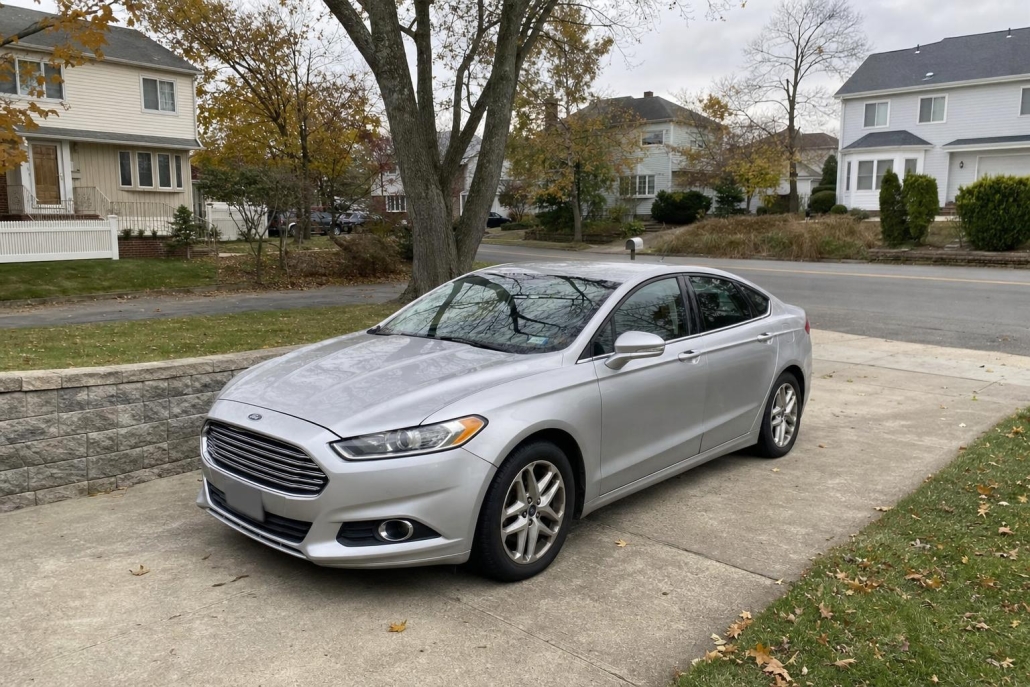
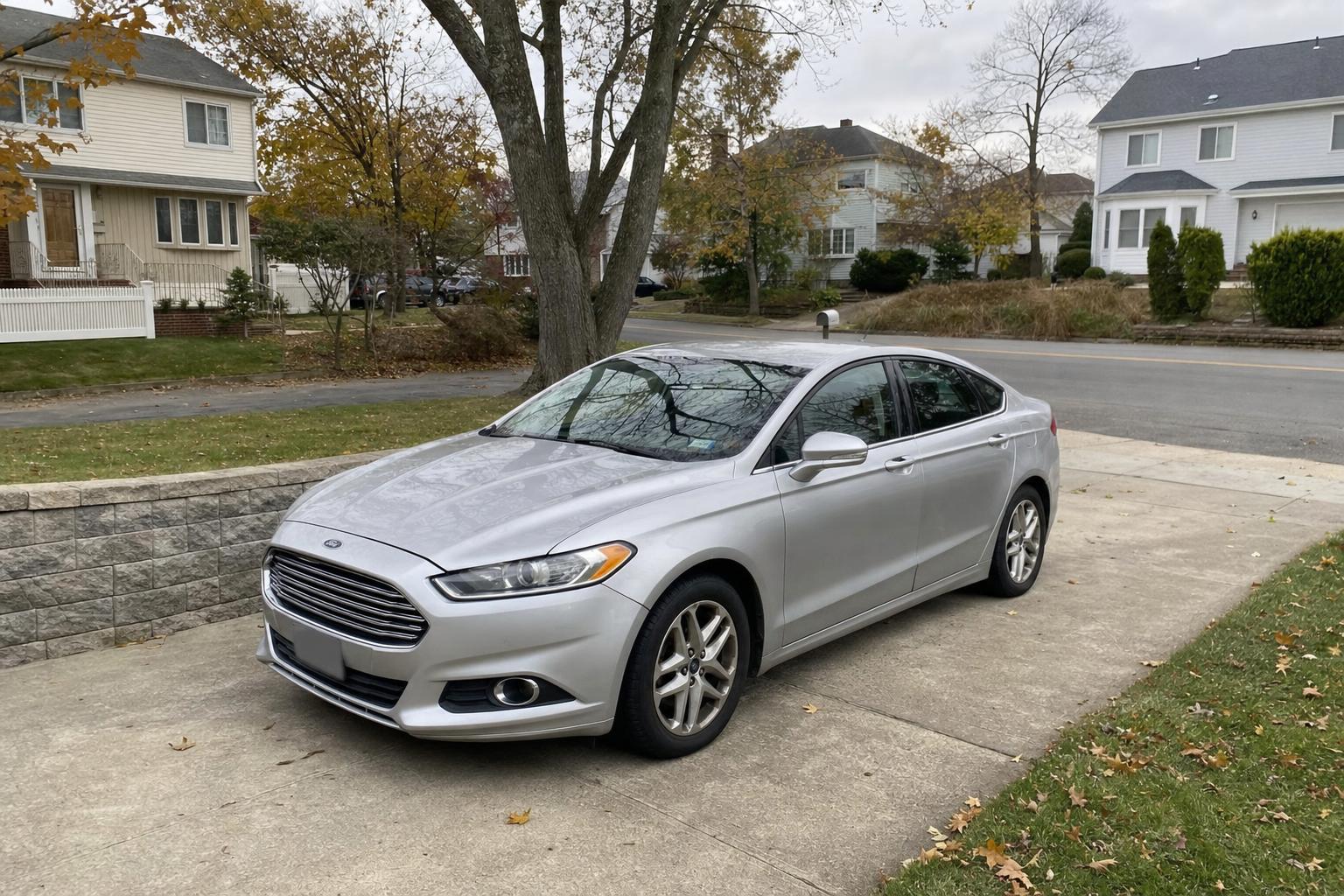
If you are considering staten island car donation for a leased vehicle, start with ownership. Driving the car and making its monthly payments do not make you its owner. The leasing company, also called the lessor, owns the vehicle. You cannot decide to give away its property simply because the lease is nearly finished. New York DMV explains that the leasing company holds the title in its name in its leased-vehicle ownership guidance.
We want you to make a clear, informed decision before planning a donation. Separate two questions: how will you satisfy your lease, and will you eventually own a vehicle you can transfer?
Check your lease before making donation plans
Gather your signed lease, any amendments and your latest account statement. Identify the lessor named in the agreement rather than relying only on the dealership where you collected the car.
Read the sections covering the end date, return instructions, purchase options, early termination and restrictions on transferring the vehicle or lease. Federal leasing rules require disclosures about purchase options, early-termination charges and applicable wear-and-use standards. You can consult the Consumer Financial Protection Bureau’s lease disclosure requirements for those categories.
Consider asking your lessor these questions and requesting written answers:
- Does my agreement include a purchase option, and when can I exercise it?
- What is the itemized purchase amount for the date I am considering?
- What would I owe if I returned the car at the scheduled end of the lease?
- What separate charges would apply if I ended the lease early?
- What restrictions apply to a third-party purchase or other transfer?
Compare returning the car with buying it
Returning it at the scheduled end
Returning a leased car is a contractual option, not a charitable donation. For a closed-end lease, the return bill can include excess-mileage charges, excess wear-and-tear charges, a disclosed disposition fee and other unpaid amounts. The Federal Reserve’s vehicle-return guidance explains these end-of-term responsibilities.
For your comparison, write down the lessor’s estimated return charges and any remaining scheduled payments. Ask about the return inspection and keep the return acknowledgment and final account records. Treat estimates and final bills as separate documents.
Buying the car
A buyout means purchasing the vehicle, not donating it. The option exists only if your agreement permits it. The CFPB’s leasing-versus-buying guidance explains that you may purchase at lease-end when your lease includes that option.
Request a complete written purchase quote showing the price, applicable taxes, fees and any other amounts due. If you would borrow to purchase, include financing costs in your comparison. Ask which return-related charges would apply under the purchase option rather than carrying those charges into both totals automatically.
Then compare the total cost with your budget and your reasons for wanting the car. Buying a vehicle solely to donate it creates an additional purchase decision. Give that decision the same care you would give any other substantial expense.
Do not confuse early return with release from the lease
Ending a lease early can involve substantial charges. Handing over the keys does not, by itself, end your payment obligations. Review the early-termination terms separately from the scheduled lease-end options. New York residents can also consult the New York Attorney General’s vehicle-leasing guidance for state consumer protections.
Resolve ownership before arranging a transfer
Do not sign as the owner or authorize a donation pickup merely because the vehicle is in your driveway. Registration and possession are not substitutes for ownership. If you choose a buyout, ask the lessor what ownership documents it will supply and use New York DMV’s title guidance to address the title transaction before attempting a later donation.
Keep your lease decision separate from your donation decision. First resolve the contract and establish your authority to transfer the vehicle. Then speak with us about donating a vehicle you own.
We tow donated cars, trucks and motorcycles at no cost to our donors. Explore our vehicle donation services, or call us at 1-646-402-6102 with your donation questions.