A Car Donation Deduction Is Not a Dollar-for-Dollar Tax Refund
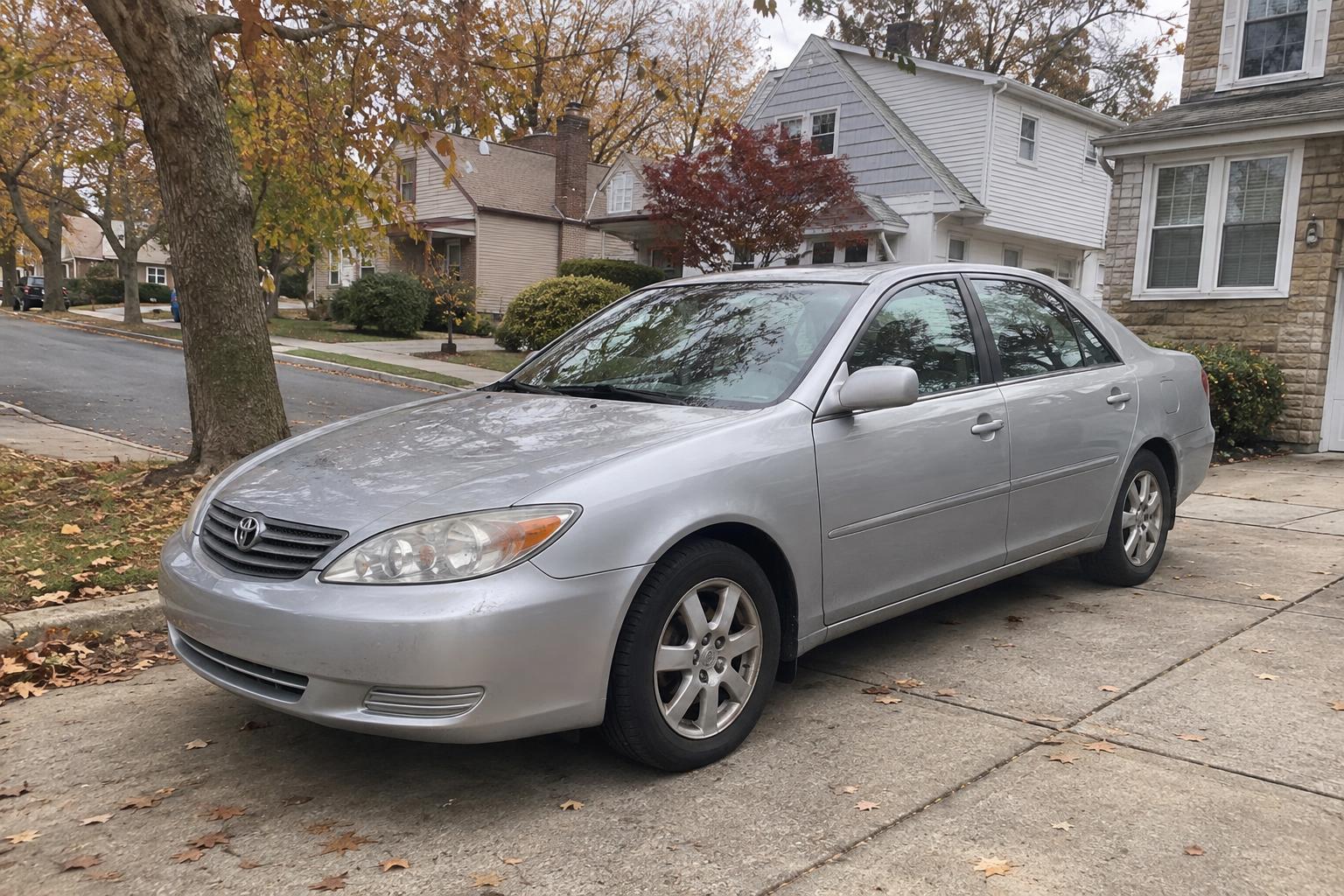
A car donation deduction reduces taxable income, not your tax bill dollar for dollar. A tax credit reduces tax directly, while a refund reflects the final balance between your tax, payments and refundable credits. Cash from selling a car is different from all three. When you consider a staten island car donation with us, keeping those amounts separate can help you make a clearer decision.
Deduction: a reduction in taxable income
A deduction reduces the income used to calculate your tax. It does not mean the IRS returns the deducted amount to you. The IRS explains this distinction in its overview of credits and deductions.
Illustrative deduction arithmetic: Suppose an allowed deduction reduces taxable income by $1,000, and all $1,000 would otherwise be taxed at 22%. The simplified calculation is $1,000 × 22% = $220 less income tax, not a $1,000 refund. These example figures assume eligibility, all applicable limits have already been applied, and no other tax calculations change. They are not a vehicle valuation or an estimate for your return.
Credit: a direct reduction in tax
A tax credit works differently. An allowed $1,000 credit can reduce a $3,000 tax bill to $2,000. That dollar-for-dollar reduction is what separates a credit from a deduction.
Refundability is another distinction. A nonrefundable credit generally reduces tax only to zero. A refundable credit can produce a refund even when no tax remains due. Read the IRS explanation of refundable credits for details. A charitable car donation is considered under deduction rules, not as a dollar-for-dollar donation credit.
Refund: the balance after your return is calculated
A refund is not the same as a deduction or a vehicle’s value. It can arise when your tax payments exceed your final tax liability, or through refundable credits. The IRS explains these circumstances in its refund guidance.
Illustrative refund arithmetic: With $5,000 in federal tax payments and $4,400 in final federal tax, the difference is a $600 refund, assuming no other adjustments. With $4,000 in payments and that same $4,400 final tax, the balance due is $400. A deduction can affect the tax calculation without necessarily producing a refund.
Sale proceeds: money from selling the vehicle
Illustrative sale arithmetic: If you sell your own vehicle for $2,000 and incur $100 in selling expenses, you retain $1,900 before any other obligations or tax considerations. That is cash from a transaction, not a deduction, credit or IRS refund.
When you donate a vehicle to us instead, we sell it at auction or recycle it into new materials. The proceeds benefit our partner charities. After we receive your donation, we mail you a donation receipt. Keep that receipt with your donation records; it is not a refund check.
Federal rules for a vehicle donated in 2026
A donated car is a noncash contribution. For an individual federal income tax return, claiming a charitable vehicle deduction generally requires itemizing on Schedule A. The new deduction available to nonitemizers beginning in 2026 applies to qualifying cash contributions, not donated vehicles. See the IRS charitable contribution rules.
Beginning in tax year 2026, itemizers can deduct charitable contributions only to the extent they exceed 0.5% of adjusted gross income, subject to other applicable limits. For example, $60,000 × 0.5% = a $300 floor. That floor concerns the year’s charitable contributions, not a separate charge for donating a car. The 2026 IRS Publication 505 explains the calculation.
Vehicle valuation and documentation also matter. For a donated vehicle with a claimed value above $500 that the charity sells, the deduction is generally limited to the smaller of fair market value on the donation date or gross sale proceeds, unless an exception applies. Other adjustments can apply. Form 8283 and a timely acknowledgment containing the required vehicle information may also be necessary. Review the IRS Form 8283 instructions and vehicle donation acknowledgment requirements with your tax preparer.
Choose donation for the right reasons
If your priority is receiving cash for your vehicle, compare realistic selling options separately from any potential tax deduction. If you want to donate, we accept cars, trucks and motorcycles, including vehicles that do not run, and arrange pickup and towing at no cost to you.
Before filing, ask your tax preparer to evaluate itemizing, the 2026 contribution floor, applicable limits and required records for your circumstances. To begin your donation, start your donation online or call us at 1-646-402-6102.