
Staten Island Car Donation | Troops Relief Fund
  • Home
  • How To Donate
  • Our Mission
  • Our Services
  • Why Donate Your Car?
  • Blog
  • Donate
  • Menu Menu

Tag Archive for: Car Donation Tax Deduction

Does a Staten Island Car Donation Require a Qualified Appraisal?

Staten Island Car Donation Tips

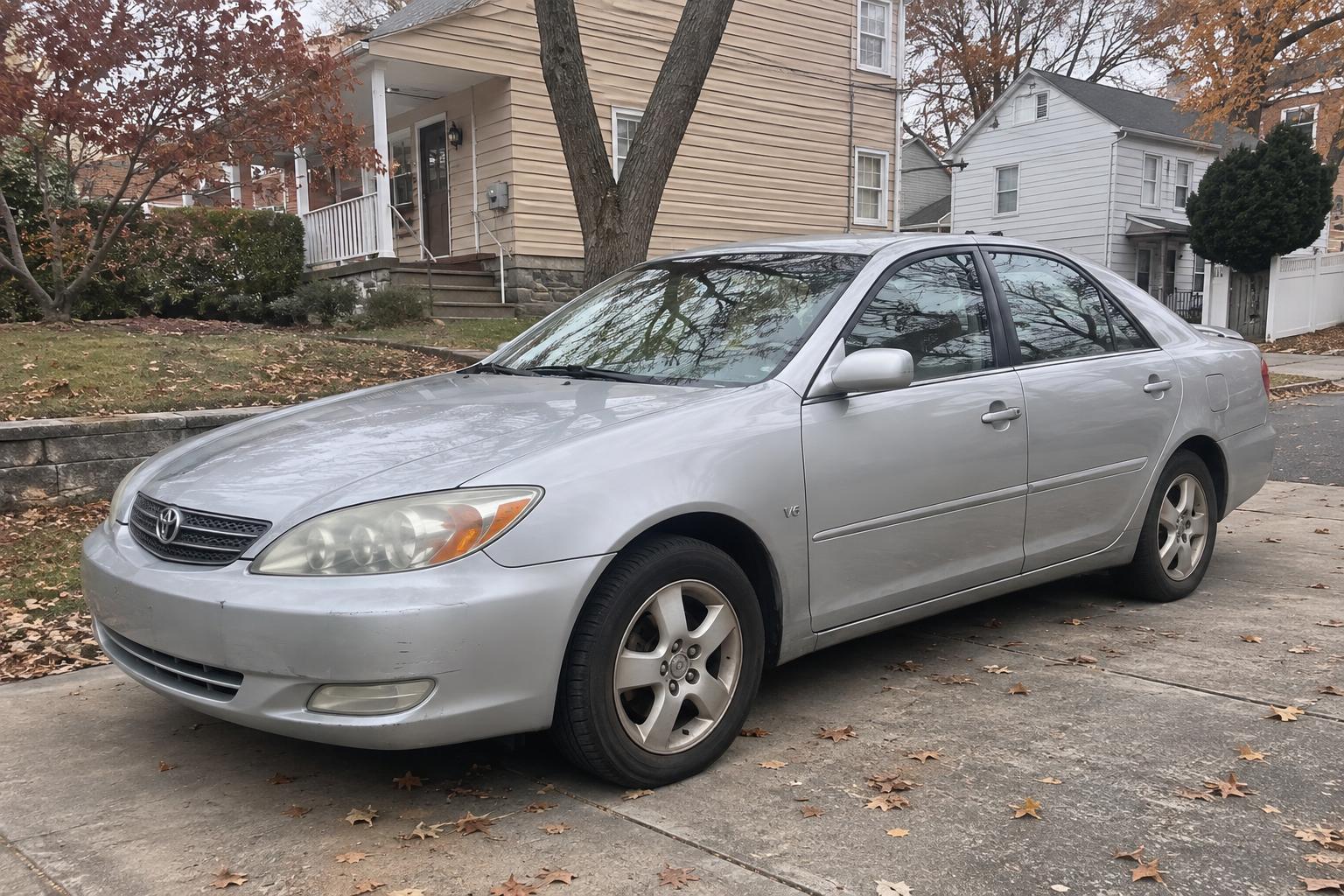
Older silver sedan in a Staten Island driveway beside detached homes and autumn trees

Not every car donation requires a qualified appraisal. If your federal deduction for a qualified vehicle is limited to its gross sale proceeds and you receive the required timely written acknowledgment, the IRS appraisal exception applies, even when the deduction exceeds $5,000. The important distinction is how your deduction is determined, not simply what an online pricing tool estimates your car is worth. See IRS Publication 526.

For your staten island car donation, we sell donated vehicles at auction or recycle them into new materials. You can start your donation with us online. Before paying for an appraisal, discuss the applicable deduction method with your tax preparer.

A price estimate is not a qualified appraisal

A used-car pricing guide can help you research fair market value, but a guide figure alone is not a qualified appraisal. The vehicle’s actual condition, mileage and equipment matter. Save photographs and notes about its condition to help organize your records.

A qualified appraisal is a signed, dated report meeting IRS content and professional standards. It identifies the property, explains the valuation method and supporting information, and documents the appraiser’s qualifications. A casual price opinion does not replace that report. IRS Publication 561 explains valuation and appraisal requirements.

Which dollar thresholds matter?

  • $500 or less: A vehicle deduction at this level does not trigger the qualified-appraisal requirement. Keep the applicable donation and valuation records.
  • More than $500 through $5,000: Complete Form 8283, Section A, and attach the required vehicle acknowledgment. A qualified appraisal generally is not required.
  • More than $5,000, limited to gross sale proceeds: The vehicle-sale exception removes the appraisal requirement. Use Section A and include the required acknowledgment.
  • More than $5,000, not limited to gross sale proceeds: A qualified appraisal and Form 8283, Section B, generally are required.

These thresholds concern your claimed deduction, not just an advertised asking price. The IRS instructions for Form 8283 explain which section applies.

When can fair market value replace sale proceeds?

Under the general vehicle rules, exceptions can apply when a charity significantly uses the vehicle, makes a material improvement, or gives or sells it substantially below fair market value to a needy individual to further its transportation-related charitable purpose. Those circumstances require specific written certifications. Simply directing sale proceeds toward charitable work does not establish the needy-individual exception.

A separate rule applies when a vehicle sells for $500 or less: an eligible donor may deduct the smaller of $500 or fair market value, with the required acknowledgment. Read A Donor’s Guide to Vehicle Donation for the vehicle-sale exceptions.

Appraisal timing and appraiser qualifications

When an appraisal is required, it must be signed and dated no earlier than 60 days before your contribution. Obtain it before the filing deadline, including extensions, for the return on which you first claim the deduction. For a deduction first claimed on an amended return, obtain it before filing that return. See the Form 8283 appraisal requirements.

Choose someone with verifiable expertise in valuing vehicles who regularly performs paid appraisals. The appraiser must have either a recognized designation for that property type or the required education plus at least two years of relevant valuation experience. IRS independence restrictions also apply: the donor and recipient charity cannot serve as the qualified appraiser. Fees cannot be a percentage of the appraised value. The appraiser must sign the required declaration on Section B. Review the qualified-appraiser rules in Publication 561 before hiring someone.

Plan your records before donating

Keep your estimates separate from your acknowledgment and any required appraisal. Ask your tax preparer which documents your intended deduction requires before filing, especially if you are considering a fair-market-value deduction above $5,000.

Ready to donate? We arrange vehicle pickup and towing at no cost to you, at a convenient time and location. Call us at 1-646-402-6102 to begin.
by TroopsReliefFund
https://troopsrelieffund.org/wp-content/uploads/2026/11/staten-island-car-donation-appraisal-zzghpa.jpg 1024 1536 TroopsReliefFund https://troopsrelieffund.org/wp-content/uploads/2017/04/logo.png TroopsReliefFund2026-11-15 17:10:352026-11-15 17:10:36Does a Staten Island Car Donation Require a Qualified Appraisal?

Form 1098-C and Form 8283: Which Car Donation Tax Forms Do What?

Brooklyn Car Donation Tips

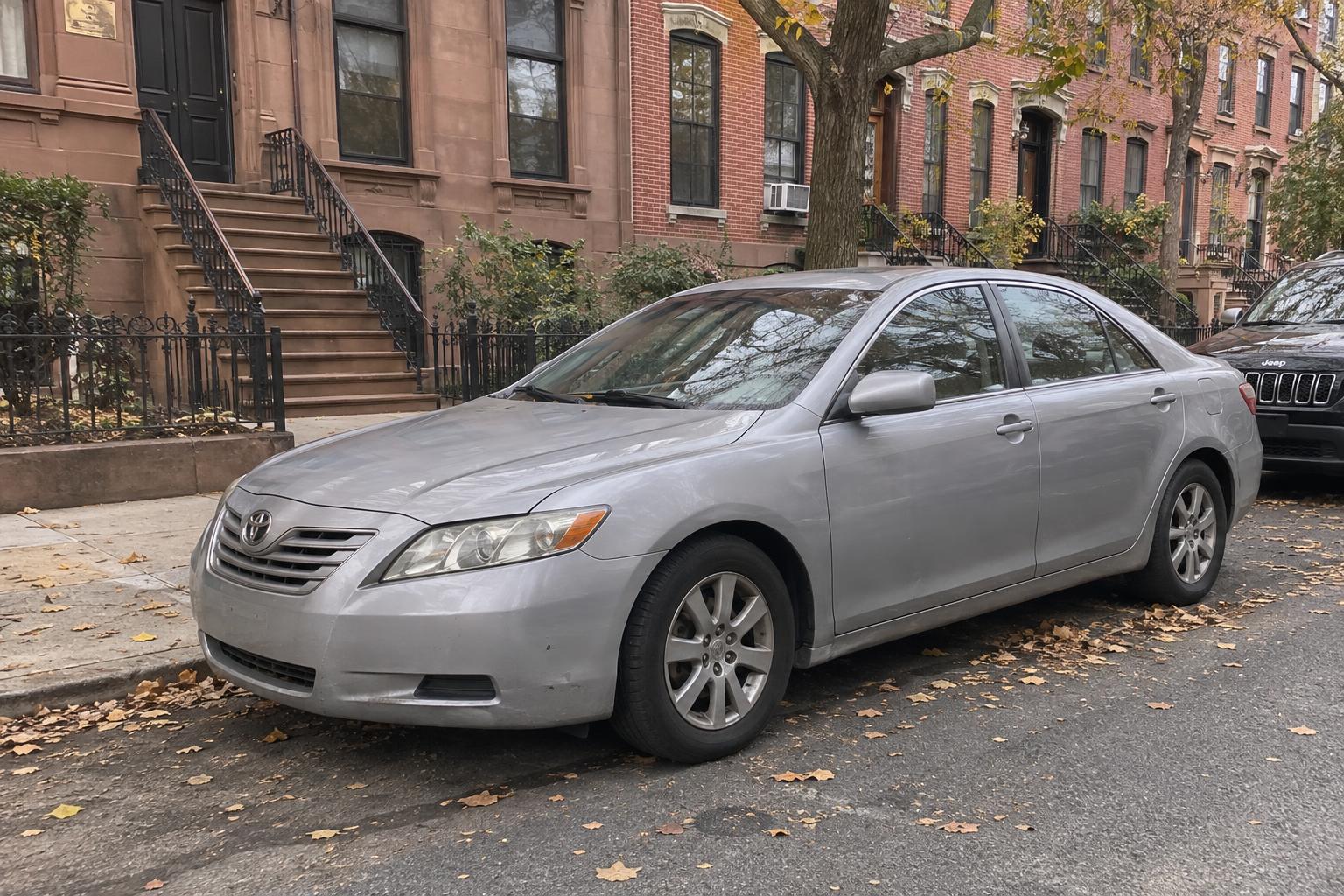
Silver sedan parked along a Brooklyn brownstone block with autumn street trees.

For your brooklyn car donation, Form 1098-C and Form 8283 serve different purposes. Form 1098-C is the charity’s vehicle-contribution information return and can provide your acknowledgment. Form 8283 is your noncash-contribution reporting form. Receiving an acknowledgment does not replace your responsibility to complete and file the required donor forms. The IRS overview of Form 1098-C and IRS overview of Form 8283 explain these separate roles.

We mail your tax receipt as soon as possible. Keep it with your donation records, and distinguish the receipt you receive from the forms and attachments your federal return requires.

Form 1098-C: the vehicle acknowledgment

A charity generally files Form 1098-C with the IRS for a qualified vehicle contribution with a claimed value of more than $500. Copy B can serve as your contemporaneous written acknowledgment. A separate written acknowledgment containing the required information can also satisfy the acknowledgment requirement.

For a vehicle sold in an arm’s-length transaction to an unrelated buyer, the acknowledgment must generally be furnished within 30 days after the sale. For specified exceptions involving charitable use, improvement or transfer to a needy individual, the deadline is generally 30 days after the contribution. Read the IRS Form 1098-C instructions for the applicable requirements.

Form 8283: your reporting responsibility

You use Form 8283 to report noncash charitable contributions. It does not calculate your deduction, and an acknowledgment does not take its place. For an individual donor, a deduction exceeding $500 generally triggers Form 8283 reporting.

The section you complete matters:

  • More than $500 through $5,000: generally complete Section A.
  • More than $5,000, with the deduction limited to vehicle-sale gross proceeds: use Section A when you have the required contemporaneous acknowledgment. A qualified appraisal is not required for this vehicle-sale exception.
  • More than $5,000, without the gross-proceeds limitation: generally complete Section B and obtain a qualified appraisal, including the required appraiser and donee signatures.

The IRS Form 8283 instructions explain these vehicle-specific exceptions. A vehicle’s estimated market value alone does not determine which section applies.

What must be attached to your return?

For a qualified vehicle deduction exceeding $500, attach Form 8283 and Copy B of Form 1098-C or an equivalent contemporaneous written acknowledgment meeting IRS requirements. Keeping the acknowledgment in a folder is not enough for this vehicle-specific attachment rule. See the vehicle-donation requirements in IRS Publication 526.

For electronic filing, arrange the acknowledgment attachment through your tax software or preparer. The Form 1098-C donor instructions explain electronic submission and the alternative of mailing the attachment with Form 8453.

How the $250 and $500 thresholds differ

A charitable contribution of $250 or more requires a contemporaneous written acknowledgment. You must obtain it by the earlier of the date you file your original return or the return’s due date, including extensions. The IRS acknowledgment requirements explain this timing.

A vehicle deduction of exactly $500 does not trigger the special rules for deductions exceeding $500. However, the $250 acknowledgment rule still applies. Form 8283 may also be necessary because of other noncash contributions. Use the applicable Publication 526 recordkeeping and reporting rules when reviewing your full return.

For an individual federal return, a vehicle contribution is a noncash gift claimed through itemized deductions. The nonitemizer charitable deduction beginning in tax year 2026 applies to eligible cash contributions, not donated cars. See IRS Topic 506.

Keep your donation records together

Consider keeping one folder with your receipt, acknowledgment, vehicle identification number, contribution date, vehicle description and copies of your completed tax forms. Before filing, ask your tax preparer to review the claimed amount, the appropriate Form 8283 section and the required attachments.

Ready to donate? Start with our Brooklyn car donation form, or call us at 1-646-402-6102. We arrange vehicle pickup at no cost to you and mail your tax receipt as soon as possible.

by TroopsReliefFund
https://troopsrelieffund.org/wp-content/uploads/2026/11/brooklyn-car-donation-tax-forms-glvzie.jpg 1024 1536 TroopsReliefFund https://troopsrelieffund.org/wp-content/uploads/2017/04/logo.png TroopsReliefFund2026-11-15 17:10:242026-11-15 17:10:25Form 1098-C and Form 8283: Which Car Donation Tax Forms Do What?

A Car Donation Deduction Is Not a Dollar-for-Dollar Tax Refund

Staten Island Car Donation Tips

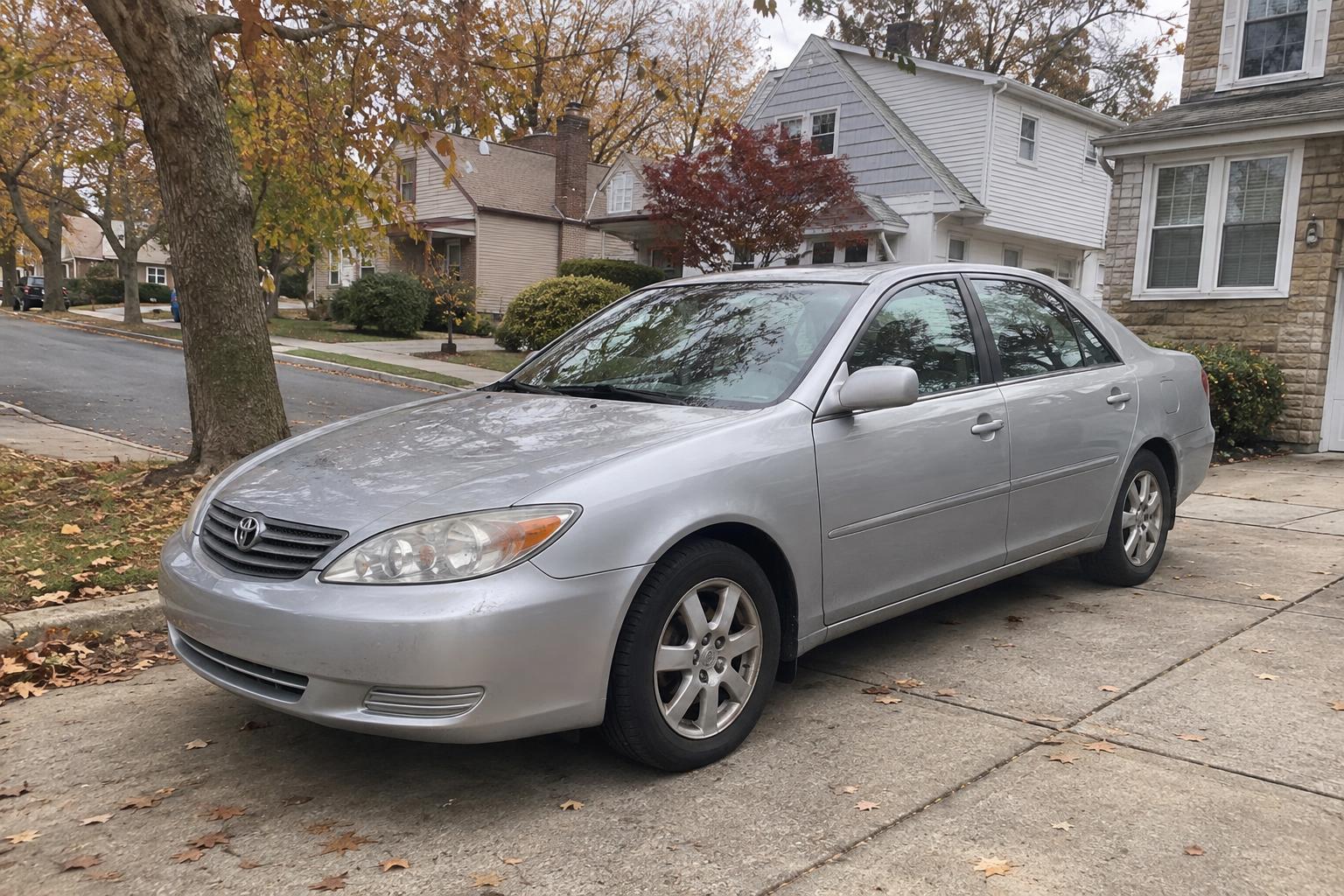
Silver sedan parked in a Staten Island residential driveway beside detached homes and autumn trees

A car donation deduction reduces taxable income, not your tax bill dollar for dollar. A tax credit reduces tax directly, while a refund reflects the final balance between your tax, payments and refundable credits. Cash from selling a car is different from all three. When you consider a staten island car donation with us, keeping those amounts separate can help you make a clearer decision.

Deduction: a reduction in taxable income

A deduction reduces the income used to calculate your tax. It does not mean the IRS returns the deducted amount to you. The IRS explains this distinction in its overview of credits and deductions.

Illustrative deduction arithmetic: Suppose an allowed deduction reduces taxable income by $1,000, and all $1,000 would otherwise be taxed at 22%. The simplified calculation is $1,000 × 22% = $220 less income tax, not a $1,000 refund. These example figures assume eligibility, all applicable limits have already been applied, and no other tax calculations change. They are not a vehicle valuation or an estimate for your return.

Credit: a direct reduction in tax

A tax credit works differently. An allowed $1,000 credit can reduce a $3,000 tax bill to $2,000. That dollar-for-dollar reduction is what separates a credit from a deduction.

Refundability is another distinction. A nonrefundable credit generally reduces tax only to zero. A refundable credit can produce a refund even when no tax remains due. Read the IRS explanation of refundable credits for details. A charitable car donation is considered under deduction rules, not as a dollar-for-dollar donation credit.

Refund: the balance after your return is calculated

A refund is not the same as a deduction or a vehicle’s value. It can arise when your tax payments exceed your final tax liability, or through refundable credits. The IRS explains these circumstances in its refund guidance.

Illustrative refund arithmetic: With $5,000 in federal tax payments and $4,400 in final federal tax, the difference is a $600 refund, assuming no other adjustments. With $4,000 in payments and that same $4,400 final tax, the balance due is $400. A deduction can affect the tax calculation without necessarily producing a refund.

Sale proceeds: money from selling the vehicle

Illustrative sale arithmetic: If you sell your own vehicle for $2,000 and incur $100 in selling expenses, you retain $1,900 before any other obligations or tax considerations. That is cash from a transaction, not a deduction, credit or IRS refund.

When you donate a vehicle to us instead, we sell it at auction or recycle it into new materials. The proceeds benefit our partner charities. After we receive your donation, we mail you a donation receipt. Keep that receipt with your donation records; it is not a refund check.

Federal rules for a vehicle donated in 2026

A donated car is a noncash contribution. For an individual federal income tax return, claiming a charitable vehicle deduction generally requires itemizing on Schedule A. The new deduction available to nonitemizers beginning in 2026 applies to qualifying cash contributions, not donated vehicles. See the IRS charitable contribution rules.

Beginning in tax year 2026, itemizers can deduct charitable contributions only to the extent they exceed 0.5% of adjusted gross income, subject to other applicable limits. For example, $60,000 × 0.5% = a $300 floor. That floor concerns the year’s charitable contributions, not a separate charge for donating a car. The 2026 IRS Publication 505 explains the calculation.

Vehicle valuation and documentation also matter. For a donated vehicle with a claimed value above $500 that the charity sells, the deduction is generally limited to the smaller of fair market value on the donation date or gross sale proceeds, unless an exception applies. Other adjustments can apply. Form 8283 and a timely acknowledgment containing the required vehicle information may also be necessary. Review the IRS Form 8283 instructions and vehicle donation acknowledgment requirements with your tax preparer.

Choose donation for the right reasons

If your priority is receiving cash for your vehicle, compare realistic selling options separately from any potential tax deduction. If you want to donate, we accept cars, trucks and motorcycles, including vehicles that do not run, and arrange pickup and towing at no cost to you.

Before filing, ask your tax preparer to evaluate itemizing, the 2026 contribution floor, applicable limits and required records for your circumstances. To begin your donation, start your donation online or call us at 1-646-402-6102.

by TroopsReliefFund
https://troopsrelieffund.org/wp-content/uploads/2026/11/staten-island-car-donation-deduction-refund-rcxl9l.jpg 1024 1536 TroopsReliefFund https://troopsrelieffund.org/wp-content/uploads/2017/04/logo.png TroopsReliefFund2026-11-15 17:10:132026-11-15 17:10:15A Car Donation Deduction Is Not a Dollar-for-Dollar Tax Refund

Transforming Lives: Why Troops Relief Fund is Your Best Choice for Car Donation in Staten Island

Staten Island Car Donation Tips

When it comes to charitable giving, especially in the form of vehicle donations, many Staten Islanders often ponder, “Which charity is best to donate a car in Staten Island?” The answer lies in the profound impact and dedicated mission of the Troops Relief Fund.

What sets Troops Relief Fund apart in the realm of Staten Island car donation is its unwavering commitment to supporting veterans and their families. Imagine the transformative power if every resident in Staten Island donated their unused vehicles to this noble cause. The ripple effect would be monumental, not only in the lives of veterans but across the community.

Donating a car through Troops Relief Fund is a seamless process. The organization ensures that each step, from initial contact to the final vehicle pickup, is handled with utmost care and efficiency. This ease of donation encourages more community members to participate, making a lasting impact on the lives of those who have served our country.

The donations received play a vital role in funding various veteran assistance programs. These include essential support services like housing, job training, and mental health resources. The impact of your donation goes beyond a single act of kindness; it becomes a lifeline for veterans striving for stability and fulfillment in their civilian lives.

Moreover, Staten Island car donation through Troops Relief Fund fosters local job creation. The process of refurbishing and reselling donated vehicles, or responsibly recycling them, generates employment opportunities in our community. This not only aids in economic growth but also promotes environmental sustainability.

Furthermore, donating a vehicle is not just a charitable act but also a financially wise decision. Donors can avail themselves of tax benefits, making it a mutually beneficial arrangement. The satisfaction of contributing to a cause as noble as supporting our veterans, coupled with a tax deduction, makes Troops Relief Fund an ideal choice for Staten Island car donation.

In conclusion, when considering where to donate a car in Staten Island, the Troops Relief Fund stands out for its profound commitment to our veterans, its beneficial impact on the local community, and the tangible benefits it offers to donors. Your donation here doesn’t just help a veteran; it uplifts an entire community, fosters economic growth, and promotes environmental sustainability. So, if you have an unused vehicle, consider donating it to Troops Relief Fund, where it can make a world of difference.

With respect and gratitude, we invite you to join us in this mission. Your contribution, no matter how big or small, is a step towards a better future for our veterans and our community.


Photo by Yunsik Noh on Unsplash

by TroopsReliefFund
https://troopsrelieffund.org/wp-content/uploads/2023/12/yunsik-noh-6Wvtm0zVtzI-unsplash-1.jpg 1080 1920 TroopsReliefFund https://troopsrelieffund.org/wp-content/uploads/2017/04/logo.png TroopsReliefFund2023-12-04 20:29:252023-12-04 20:29:25Transforming Lives: Why Troops Relief Fund is Your Best Choice for Car Donation in Staten Island

About Troops Relief Fund

We send overseas care packages and assist veterans with vet dogs, as well as provide support to the wounded warrior project. Donation proceedings go to Phillips Global ROTC Program for armed forces. Our focus is on the areas of Staten Island, Brooklyn, and Queens.

Learn More

Contact Us

Phone: 1-646-402-6102

Address: 400C Victory Boulevard
Staten Island, NY 10301
(Staten Island Chapter)

P.O. Box:PO Box 140580
Howard Beach, NY 11414

How It Works

Call Us! (or Click)
Speak to a professional who will walk you through our fast and easy process. (You can also click here and do everything yourself online!)
Schedule Your Pickup
We always make sure to choose a time that’s most convenient to you. You tell us where your vehicle can be picked up, and we’ll do everything else!.
Donation
Your vehicle will be sold in an auction or recycled into new materials. The proceeds from either of these sales will benefit the charities that have partnered with Troops Relief Fund.
Tax Deduction
Finally, once we have your donation, we mail you a tax-deductible receipt. Save it, and use it on next year’s taxes to claim your deduction. It’s that easy!.

© Copyright - Troops Relief Fund Web Design by NB Technologies
Scroll to top Scroll to top Scroll to top