
Staten Island Car Donation | Troops Relief Fund
  • Home
  • How To Donate
  • Our Mission
  • Our Services
  • Why Donate Your Car?
  • Blog
  • Donate
  • Menu Menu

Tag Archive for: car donation receipt

Form 1098-C and Form 8283: Which Car Donation Tax Forms Do What?

Brooklyn Car Donation Tips

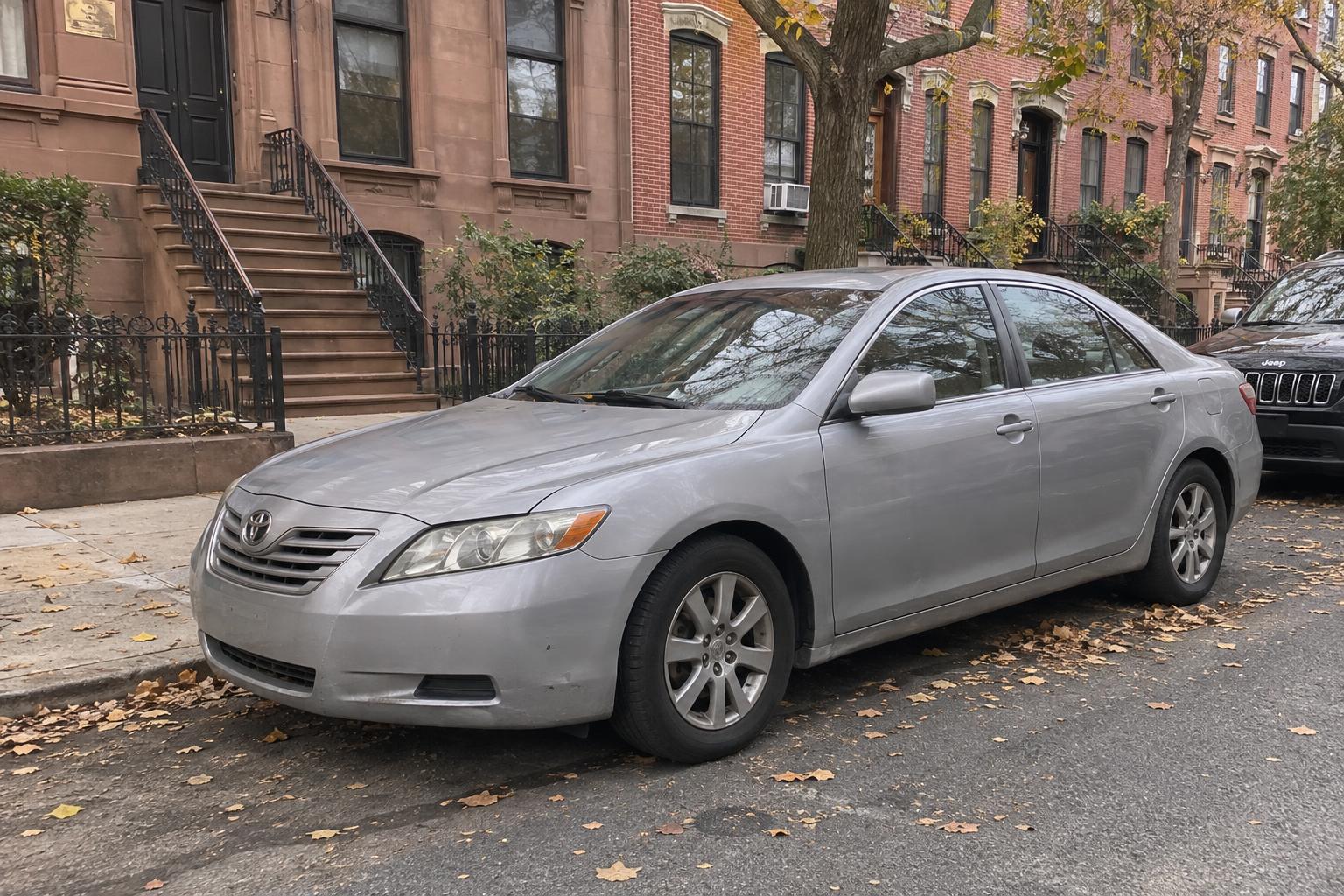
Silver sedan parked along a Brooklyn brownstone block with autumn street trees.

For your brooklyn car donation, Form 1098-C and Form 8283 serve different purposes. Form 1098-C is the charity’s vehicle-contribution information return and can provide your acknowledgment. Form 8283 is your noncash-contribution reporting form. Receiving an acknowledgment does not replace your responsibility to complete and file the required donor forms. The IRS overview of Form 1098-C and IRS overview of Form 8283 explain these separate roles.

We mail your tax receipt as soon as possible. Keep it with your donation records, and distinguish the receipt you receive from the forms and attachments your federal return requires.

Form 1098-C: the vehicle acknowledgment

A charity generally files Form 1098-C with the IRS for a qualified vehicle contribution with a claimed value of more than $500. Copy B can serve as your contemporaneous written acknowledgment. A separate written acknowledgment containing the required information can also satisfy the acknowledgment requirement.

For a vehicle sold in an arm’s-length transaction to an unrelated buyer, the acknowledgment must generally be furnished within 30 days after the sale. For specified exceptions involving charitable use, improvement or transfer to a needy individual, the deadline is generally 30 days after the contribution. Read the IRS Form 1098-C instructions for the applicable requirements.

Form 8283: your reporting responsibility

You use Form 8283 to report noncash charitable contributions. It does not calculate your deduction, and an acknowledgment does not take its place. For an individual donor, a deduction exceeding $500 generally triggers Form 8283 reporting.

The section you complete matters:

  • More than $500 through $5,000: generally complete Section A.
  • More than $5,000, with the deduction limited to vehicle-sale gross proceeds: use Section A when you have the required contemporaneous acknowledgment. A qualified appraisal is not required for this vehicle-sale exception.
  • More than $5,000, without the gross-proceeds limitation: generally complete Section B and obtain a qualified appraisal, including the required appraiser and donee signatures.

The IRS Form 8283 instructions explain these vehicle-specific exceptions. A vehicle’s estimated market value alone does not determine which section applies.

What must be attached to your return?

For a qualified vehicle deduction exceeding $500, attach Form 8283 and Copy B of Form 1098-C or an equivalent contemporaneous written acknowledgment meeting IRS requirements. Keeping the acknowledgment in a folder is not enough for this vehicle-specific attachment rule. See the vehicle-donation requirements in IRS Publication 526.

For electronic filing, arrange the acknowledgment attachment through your tax software or preparer. The Form 1098-C donor instructions explain electronic submission and the alternative of mailing the attachment with Form 8453.

How the $250 and $500 thresholds differ

A charitable contribution of $250 or more requires a contemporaneous written acknowledgment. You must obtain it by the earlier of the date you file your original return or the return’s due date, including extensions. The IRS acknowledgment requirements explain this timing.

A vehicle deduction of exactly $500 does not trigger the special rules for deductions exceeding $500. However, the $250 acknowledgment rule still applies. Form 8283 may also be necessary because of other noncash contributions. Use the applicable Publication 526 recordkeeping and reporting rules when reviewing your full return.

For an individual federal return, a vehicle contribution is a noncash gift claimed through itemized deductions. The nonitemizer charitable deduction beginning in tax year 2026 applies to eligible cash contributions, not donated cars. See IRS Topic 506.

Keep your donation records together

Consider keeping one folder with your receipt, acknowledgment, vehicle identification number, contribution date, vehicle description and copies of your completed tax forms. Before filing, ask your tax preparer to review the claimed amount, the appropriate Form 8283 section and the required attachments.

Ready to donate? Start with our Brooklyn car donation form, or call us at 1-646-402-6102. We arrange vehicle pickup at no cost to you and mail your tax receipt as soon as possible.
by TroopsReliefFund
https://troopsrelieffund.org/wp-content/uploads/2026/11/brooklyn-car-donation-tax-forms-glvzie.jpg 1024 1536 TroopsReliefFund https://troopsrelieffund.org/wp-content/uploads/2017/04/logo.png TroopsReliefFund2026-11-15 17:10:242026-11-15 17:10:25Form 1098-C and Form 8283: Which Car Donation Tax Forms Do What?

A Car Donation Deduction Is Not a Dollar-for-Dollar Tax Refund

Staten Island Car Donation Tips

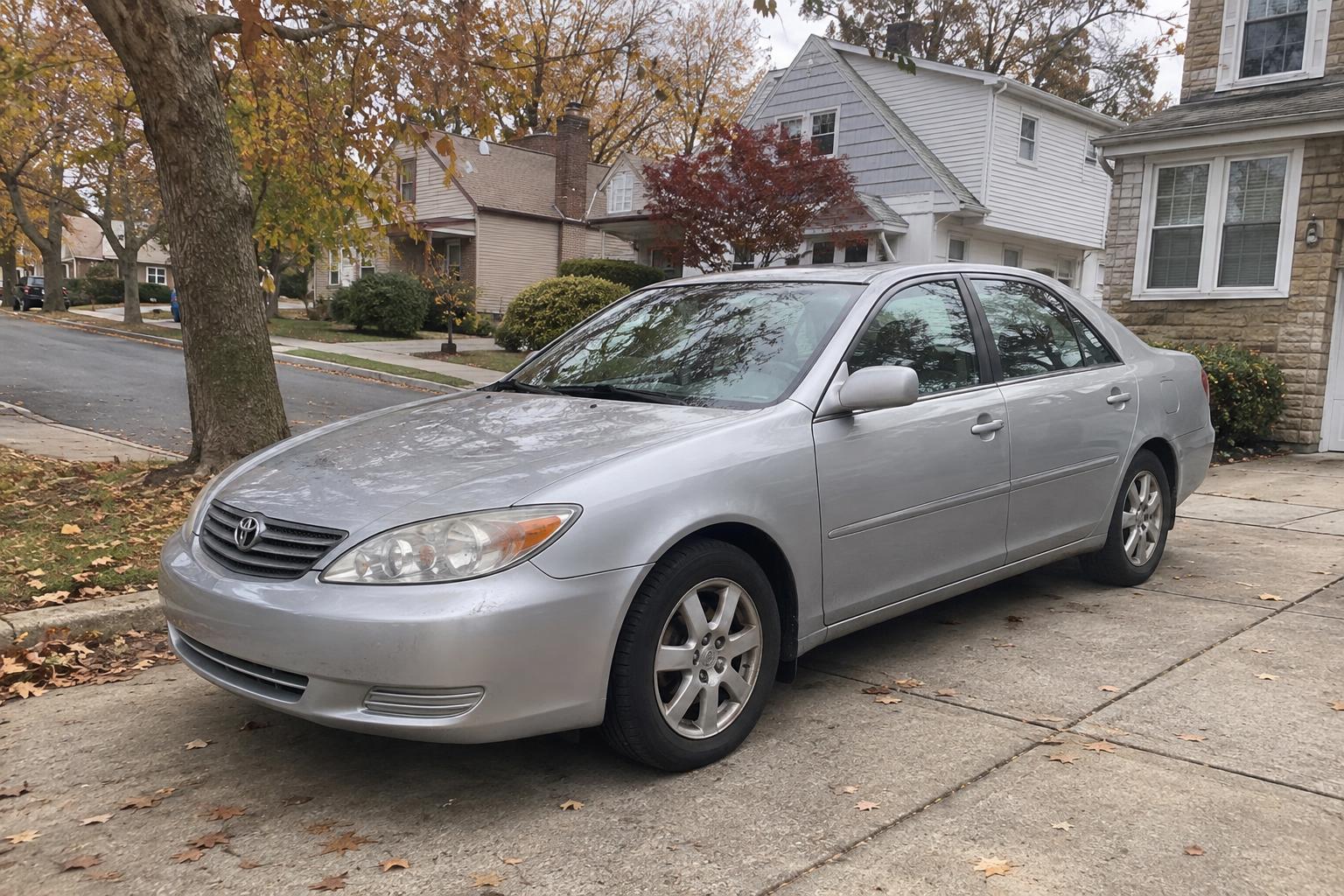
Silver sedan parked in a Staten Island residential driveway beside detached homes and autumn trees

A car donation deduction reduces taxable income, not your tax bill dollar for dollar. A tax credit reduces tax directly, while a refund reflects the final balance between your tax, payments and refundable credits. Cash from selling a car is different from all three. When you consider a staten island car donation with us, keeping those amounts separate can help you make a clearer decision.

Deduction: a reduction in taxable income

A deduction reduces the income used to calculate your tax. It does not mean the IRS returns the deducted amount to you. The IRS explains this distinction in its overview of credits and deductions.

Illustrative deduction arithmetic: Suppose an allowed deduction reduces taxable income by $1,000, and all $1,000 would otherwise be taxed at 22%. The simplified calculation is $1,000 × 22% = $220 less income tax, not a $1,000 refund. These example figures assume eligibility, all applicable limits have already been applied, and no other tax calculations change. They are not a vehicle valuation or an estimate for your return.

Credit: a direct reduction in tax

A tax credit works differently. An allowed $1,000 credit can reduce a $3,000 tax bill to $2,000. That dollar-for-dollar reduction is what separates a credit from a deduction.

Refundability is another distinction. A nonrefundable credit generally reduces tax only to zero. A refundable credit can produce a refund even when no tax remains due. Read the IRS explanation of refundable credits for details. A charitable car donation is considered under deduction rules, not as a dollar-for-dollar donation credit.

Refund: the balance after your return is calculated

A refund is not the same as a deduction or a vehicle’s value. It can arise when your tax payments exceed your final tax liability, or through refundable credits. The IRS explains these circumstances in its refund guidance.

Illustrative refund arithmetic: With $5,000 in federal tax payments and $4,400 in final federal tax, the difference is a $600 refund, assuming no other adjustments. With $4,000 in payments and that same $4,400 final tax, the balance due is $400. A deduction can affect the tax calculation without necessarily producing a refund.

Sale proceeds: money from selling the vehicle

Illustrative sale arithmetic: If you sell your own vehicle for $2,000 and incur $100 in selling expenses, you retain $1,900 before any other obligations or tax considerations. That is cash from a transaction, not a deduction, credit or IRS refund.

When you donate a vehicle to us instead, we sell it at auction or recycle it into new materials. The proceeds benefit our partner charities. After we receive your donation, we mail you a donation receipt. Keep that receipt with your donation records; it is not a refund check.

Federal rules for a vehicle donated in 2026

A donated car is a noncash contribution. For an individual federal income tax return, claiming a charitable vehicle deduction generally requires itemizing on Schedule A. The new deduction available to nonitemizers beginning in 2026 applies to qualifying cash contributions, not donated vehicles. See the IRS charitable contribution rules.

Beginning in tax year 2026, itemizers can deduct charitable contributions only to the extent they exceed 0.5% of adjusted gross income, subject to other applicable limits. For example, $60,000 × 0.5% = a $300 floor. That floor concerns the year’s charitable contributions, not a separate charge for donating a car. The 2026 IRS Publication 505 explains the calculation.

Vehicle valuation and documentation also matter. For a donated vehicle with a claimed value above $500 that the charity sells, the deduction is generally limited to the smaller of fair market value on the donation date or gross sale proceeds, unless an exception applies. Other adjustments can apply. Form 8283 and a timely acknowledgment containing the required vehicle information may also be necessary. Review the IRS Form 8283 instructions and vehicle donation acknowledgment requirements with your tax preparer.

Choose donation for the right reasons

If your priority is receiving cash for your vehicle, compare realistic selling options separately from any potential tax deduction. If you want to donate, we accept cars, trucks and motorcycles, including vehicles that do not run, and arrange pickup and towing at no cost to you.

Before filing, ask your tax preparer to evaluate itemizing, the 2026 contribution floor, applicable limits and required records for your circumstances. To begin your donation, start your donation online or call us at 1-646-402-6102.

by TroopsReliefFund
https://troopsrelieffund.org/wp-content/uploads/2026/11/staten-island-car-donation-deduction-refund-rcxl9l.jpg 1024 1536 TroopsReliefFund https://troopsrelieffund.org/wp-content/uploads/2017/04/logo.png TroopsReliefFund2026-11-15 17:10:132026-11-15 17:10:15A Car Donation Deduction Is Not a Dollar-for-Dollar Tax Refund

Brooklyn Car Donation: Receipt Questions and Recordkeeping

Brooklyn Car Donation Tips

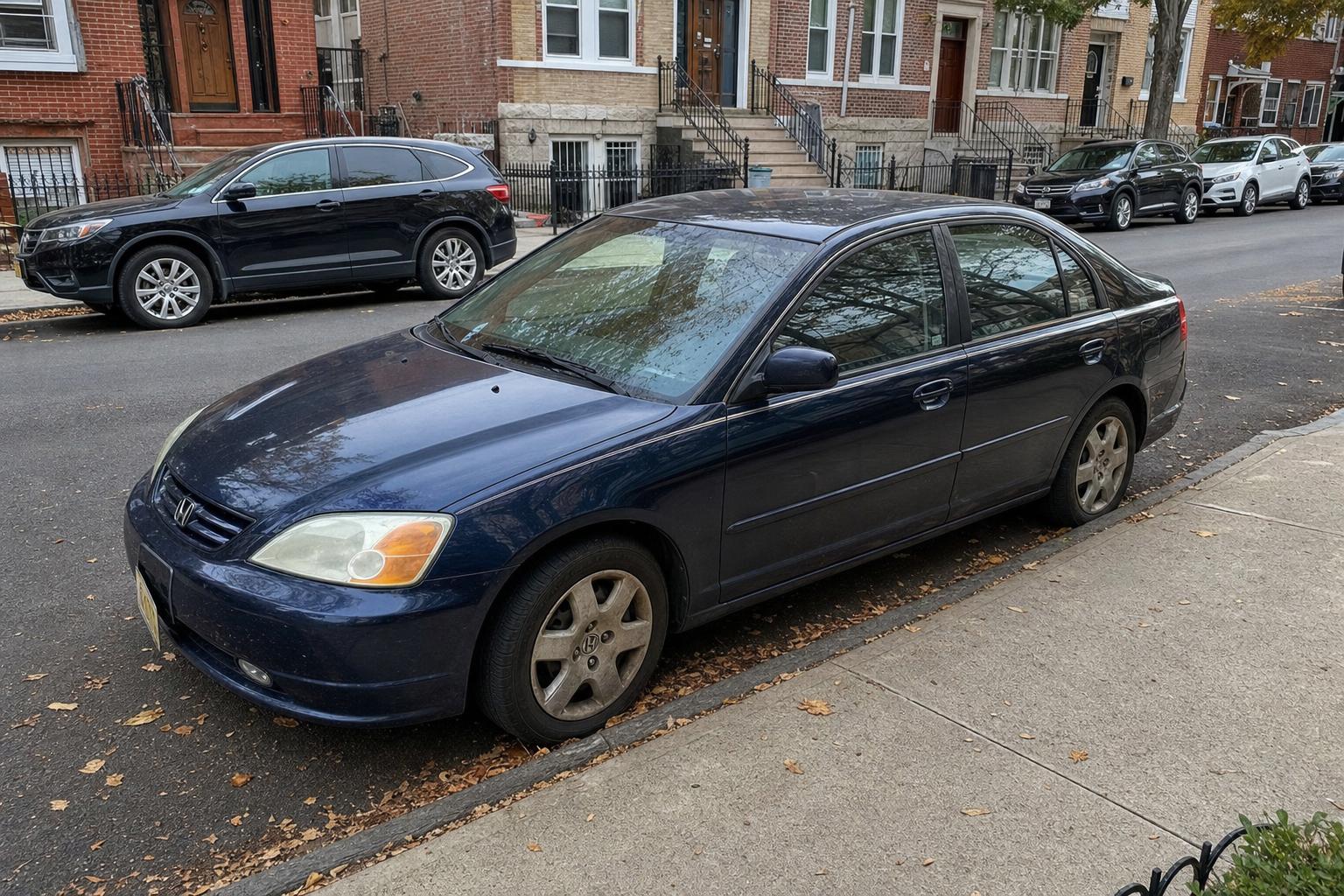
Dark blue sedan parked beside brownstone stoops on a Brooklyn residential street.

When you arrange your brooklyn car donation with us, remember to plan for the paperwork that follows. After we receive your vehicle donation, we mail you donation documentation for your annual tax records. Keep that document with your other donation records so you can find it when you need it.

A few questions during your conversation with us can help you prepare: What mailing address should we use? When should you expect the document? Who should you contact if it has not arrived? You can ask us about the mailing process when you begin your donation or arrange pickup.

What will we mail after your donation?

We mail your donation receipt after receiving your vehicle. This is a document to retain, rather than setting it aside with everyday mail. Choose a folder or another secure place for your donation records before it arrives.

If you have questions about the document you receive, call us with it nearby. Being able to refer to the wording in front of you can make it easier to explain your question clearly.

What should you ask before the mailing?

Use your donation conversation to check the practical details that matter to you. Consider keeping this short list handy:

  • Mailing address: Ask us to check the spelling of your name, street address and apartment number.
  • Expected timing: Ask when you should expect your mailed donation document.
  • Address changes: If you are moving, tell us and ask how to update your mailing details.
  • Follow-up: Ask when to call if the document has not arrived.

These questions are especially useful if your vehicle is being picked up somewhere other than your mailing address. Make that distinction clear during your conversation so the two locations are easy to identify.

Keep a simple donation record

You can make your own recordkeeping easier without creating a complicated filing system. Consider keeping the following together:

  • The mailed donation document.
  • A personal note identifying the vehicle you donated.
  • Your notes about pickup arrangements and the date the vehicle was collected.
  • Any donation-related correspondence you receive.
  • A short list of unresolved questions and notes from follow-up conversations.

For convenience, you may want to scan or photograph the mailed document and save a readable digital copy alongside your notes. Keep the original in your chosen folder. Use a descriptive file name that helps you recognize the donation without opening every file.

What if you need help after pickup?

If you are waiting for your receipt or have a question about something on it, contact us. Have your name, the donated vehicle’s basic details and your mailing address handy to help explain your question. Write down what you want to ask before calling, particularly if you have several concerns.

Ready to begin? Start your donation online, or call us at 1-646-402-6102. We can answer your donation questions and help arrange your Brooklyn vehicle pickup.

by TroopsReliefFund
https://troopsrelieffund.org/wp-content/uploads/2026/10/brooklyn-car-donation-receipt-records-vvwqod.jpg 1024 1536 TroopsReliefFund https://troopsrelieffund.org/wp-content/uploads/2017/04/logo.png TroopsReliefFund2026-10-25 16:00:002026-10-25 09:40:38Brooklyn Car Donation: Receipt Questions and Recordkeeping

Staten Island Car Donation: Donation Receipts Explained: What to Save for Your Records

Staten Island Car Donation Tips

Picture a simple neighborhood habit: the moment a car sits unused, it becomes a chance to help someone who served. What would the impact look like if everyone in Brooklyn and Staten Island donated their unused vehicles to Troops Relief Fund?

Troops Relief Fund is a 501(c)(3) vehicle donation program based in Staten Island. Its mission is to help veterans and their families lead more fulfilling and stable lives, and its work is funded primarily through vehicle donations that are auctioned or recycled. Troops Relief Fund serves Staten Island and Brooklyn communities, and also serves New Jersey communities.

Donation Receipts Explained: What to Save for Your Records

Donation receipts can feel confusing because they touch taxes, and nobody wants to get it wrong. With car donation receipt documentation, focus on what Troops Relief Fund provides: a preliminary tax receipt upon donation, plus documentation intended to support the biggest possible tax deduction by law. What that means for you personally can vary, so treat this as general information, not tax advice.

A practical habit is to keep a single folder, digital or physical, for anything you receive related to your donation. If you plan to claim a deduction, confirm the details with a qualified professional.

Donation steps

If you are considering staten island car donation, the process is usually straightforward, but small details can vary. Confirm specifics when you contact Troops Relief Fund.

  • Step 1: Answer a few simple questions by phone or through the website form.
  • Step 2: Schedule a convenient pick-up time and place. The vehicle is towed for auction or recycling.
  • Step 3: Profits from the sale support local troops and veterans. You receive the biggest possible tax deduction by law and a preliminary tax receipt.

How your donation can help, beyond the vehicle

  • Support veteran assistance programs: Proceeds can support military personnel and veterans in the NYC area, including help for vet dogs, overseas care packages, and local support for the Wounded Warrior Project.
  • Foster local job creation: Vehicle pickup, towing, auction preparation, and recycling work can support everyday jobs tied to logistics and auto services.
  • Promote recycling: Troops Relief Fund raises funds through auction and recycled automotive materials, keeping usable parts and materials in circulation.
  • Provide tax benefits: Vehicle donation may offer tax benefits. This is general information, not legal or tax advice. Troops Relief Fund provides documentation intended to support the biggest possible tax deduction by law.

A simple next step

If you are ready to begin staten island car donation, start with Troops Relief Fund’s online donation form or call 1-646-402-6102 to ask a few quick questions and schedule pickup.

One unused vehicle can become meaningful support. Multiply that choice across neighbors, and the community impact starts to add up.

by TroopsReliefFund
https://troopsrelieffund.org/wp-content/uploads/2026/01/donor-receipt.jpg 1006 1500 TroopsReliefFund https://troopsrelieffund.org/wp-content/uploads/2017/04/logo.png TroopsReliefFund2026-03-23 12:43:162026-03-23 12:44:17Staten Island Car Donation: Donation Receipts Explained: What to Save for Your Records

About Troops Relief Fund

We send overseas care packages and assist veterans with vet dogs, as well as provide support to the wounded warrior project. Donation proceedings go to Phillips Global ROTC Program for armed forces. Our focus is on the areas of Staten Island, Brooklyn, and Queens.

Learn More

Contact Us

Phone: 1-646-402-6102

Address: 400C Victory Boulevard
Staten Island, NY 10301
(Staten Island Chapter)

P.O. Box:PO Box 140580
Howard Beach, NY 11414

How It Works

Call Us! (or Click)
Speak to a professional who will walk you through our fast and easy process. (You can also click here and do everything yourself online!)
Schedule Your Pickup
We always make sure to choose a time that’s most convenient to you. You tell us where your vehicle can be picked up, and we’ll do everything else!.
Donation
Your vehicle will be sold in an auction or recycled into new materials. The proceeds from either of these sales will benefit the charities that have partnered with Troops Relief Fund.
Tax Deduction
Finally, once we have your donation, we mail you a tax-deductible receipt. Save it, and use it on next year’s taxes to claim your deduction. It’s that easy!.

© Copyright - Troops Relief Fund Web Design by NB Technologies
Scroll to top Scroll to top Scroll to top