What Brooklyn Businesses Should Prepare Before Donating a Vehicle
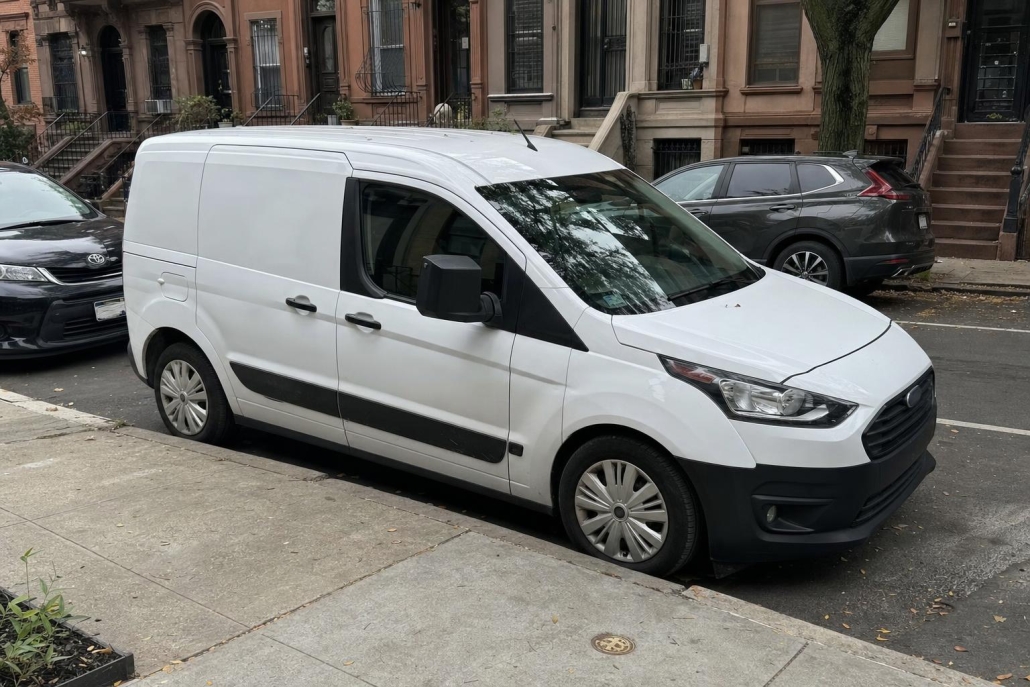
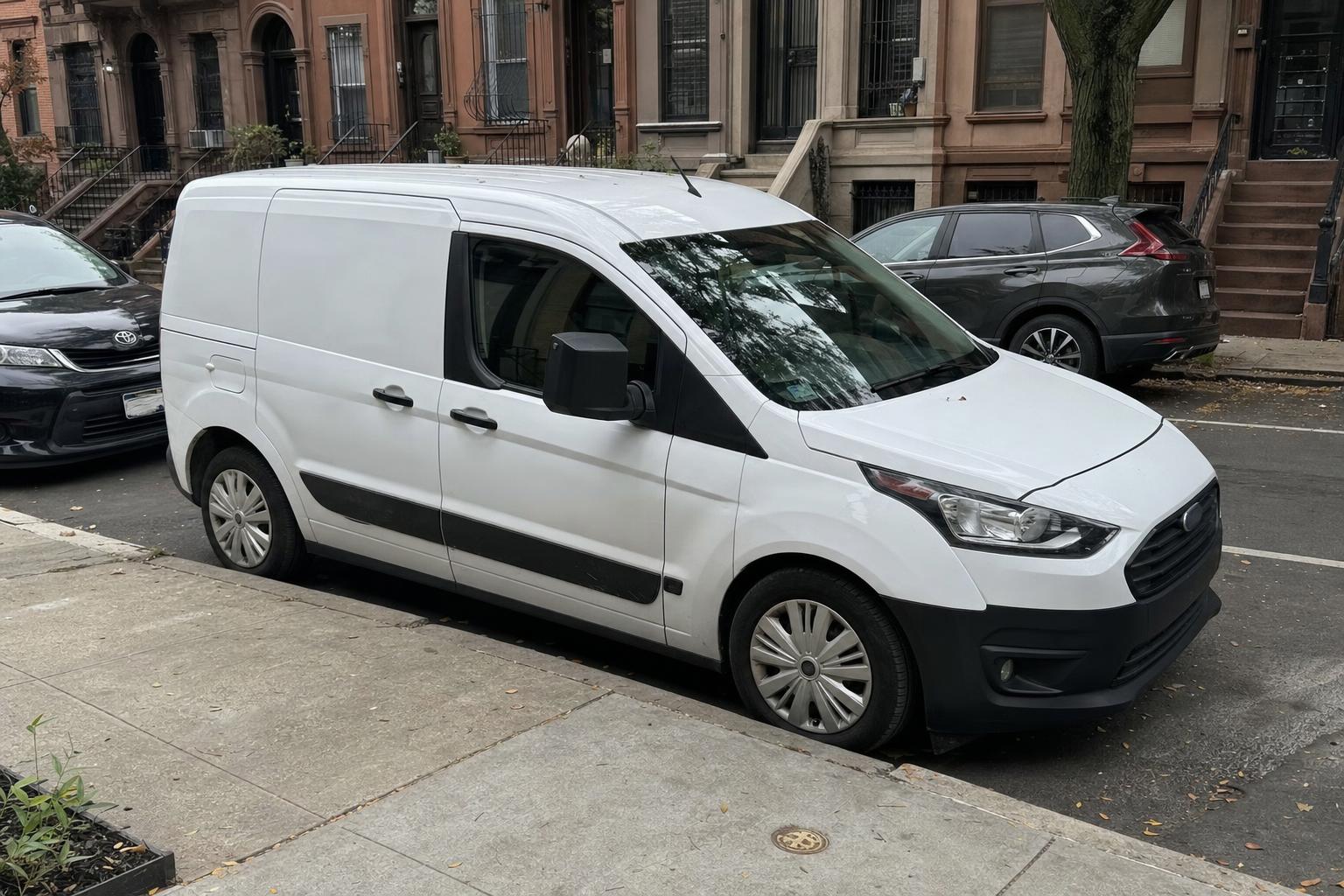
Donating a vehicle owned by a business involves more coordination than simply choosing a pickup time. Before making a brooklyn car donation inquiry, identify who is authorized to act for the business, gather the vehicle and access details, and decide who will handle tax questions. Keeping these tasks separate can help the donation conversation stay practical while ensuring financial and legal questions go to the right adviser.
Choose the right person to make the inquiry
Start by checking who can speak for the business about transferring or donating its vehicle. Depending on how the vehicle is owned and how the business is organized, that may be an owner, an authorized employee, or another representative. Do not assume that the person who regularly drives or manages the vehicle can approve a donation. If authority is unclear, check with the business owner or the person responsible for company records before submitting information.
It can also help to decide who will be the main contact during the process. That person should be reachable to answer follow-up questions and coordinate access to the vehicle. If several employees are involved, agree on one contact so details about timing and location do not become mixed up.
Gather practical vehicle and pickup details
Before contacting Troops Relief Fund, collect the information that will make a scheduling discussion more straightforward. You might have ready:
- The vehicle’s make, model, approximate year, and current condition.
- Its exact location in Brooklyn and any instructions needed to reach it.
- Whether the vehicle is in a lot, garage, loading area, or curbside space, and any access limitations.
- Days and time windows when someone can provide access or meet for pickup.
- The name and contact details of the person coordinating the vehicle.
- Any questions about vehicle records or business authorization that need clarification.
These are useful details to have on hand, not a statement that every item is required. If you do not know an answer, say so and ask what information is needed. For a company vehicle in a shared lot or controlled building, consider whether advance notice, gate access, or coordination with a property manager may be necessary. Avoid promising access or a pickup window until the relevant people have agreed.
Plan the logistics around your workplace
Brooklyn business locations can have busy curbside conditions, limited parking, loading rules, or building access procedures. Think through what a pickup appointment would mean for your location: where the vehicle is parked, whether it can be reached without moving other vehicles, and who can be present if access arrangements require assistance. Share accurate details when discussing timing, and ask directly about any site-specific questions.
We work with donors to choose a pickup time that fits their needs and schedule. If you donate online, we will contact you within about 24 hours to schedule a pickup. This is a time to arrange pickup, not a reason to assume a particular appointment before the details are confirmed.
Keep donation logistics separate from tax advice
A vehicle donation can raise questions about business ownership, records, reporting, and possible tax treatment. Those answers can depend on the facts of the business and the vehicle, so do not rely on a general conversation about pickup to settle them. Ask a qualified tax professional or other appropriate adviser how the donation should be handled for your organization. If you need to understand what records to retain or who should approve the transaction, consult the person responsible for your company’s accounting or legal matters.
For practical donation and scheduling questions, visit our Brooklyn car donation page or call 1-646-402-6102. We accept cars, trucks, and motorcycles in any condition. Confirm that the vehicle and arrangements fit your situation when you make the inquiry.
Make a short checklist before you call or submit the form
- Confirm who is authorized to make the inquiry for the business.
- Choose one point of contact for scheduling and follow-up.
- Gather the vehicle’s location, condition, and access details.
- Identify practical pickup windows, subject to confirmation.
- Direct tax and business-record questions to qualified advisers.
With those basics in place, your initial inquiry can focus on whether the vehicle can be considered and how to discuss pickup. Keep business approvals, scheduling, and tax guidance as distinct steps, and ask the appropriate person whenever a detail is uncertain.