Staten Island Car Donation | Troops Relief Fund
  • Home
  • How To Donate
  • Our Mission
  • Our Services
  • Why Donate Your Car?
  • Blog
  • Donate
  • Menu Menu

Tag Archive for: car donation checklist

How to Make Scheduling a Brooklyn Car Donation Easier

Brooklyn Car Donation Tips

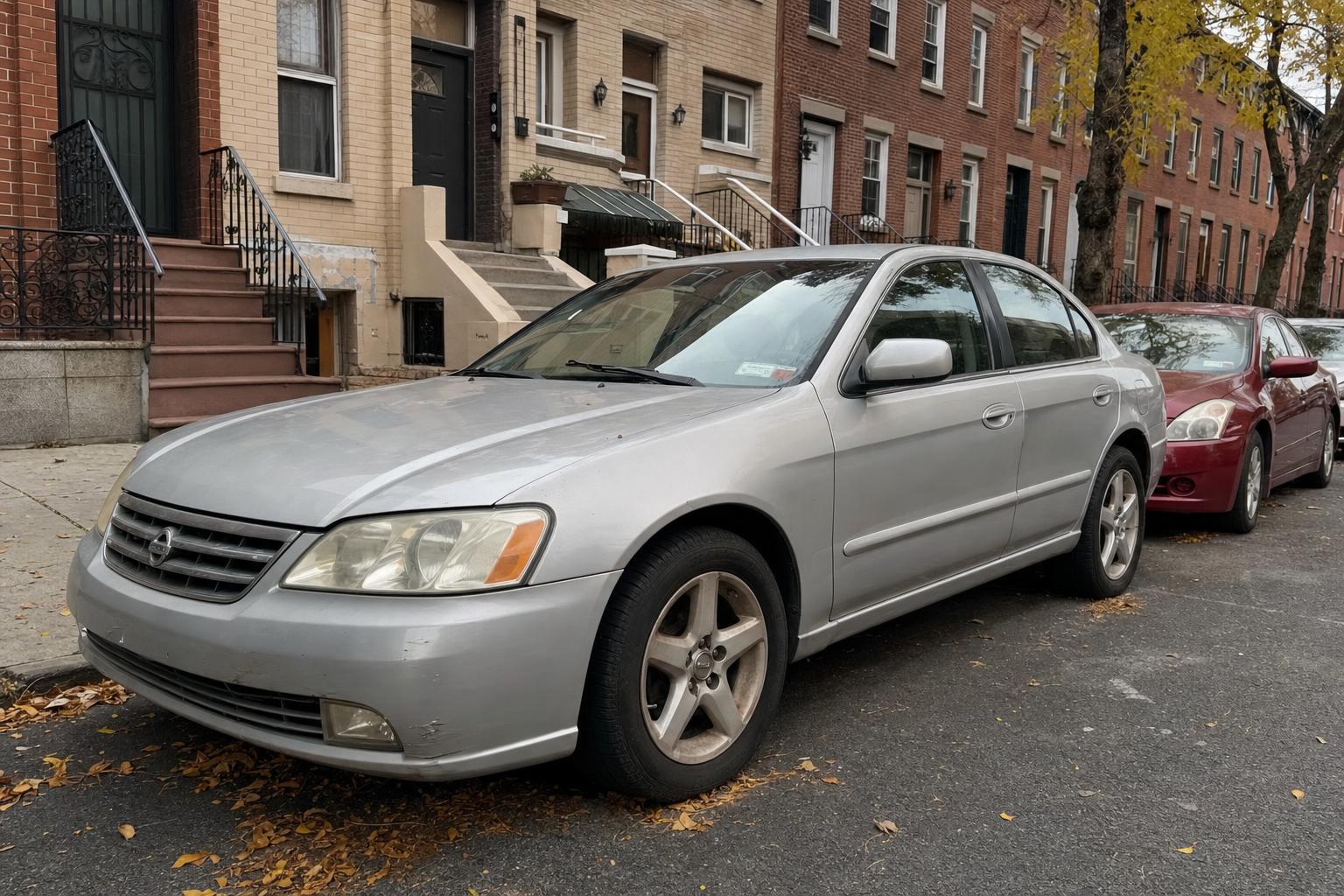
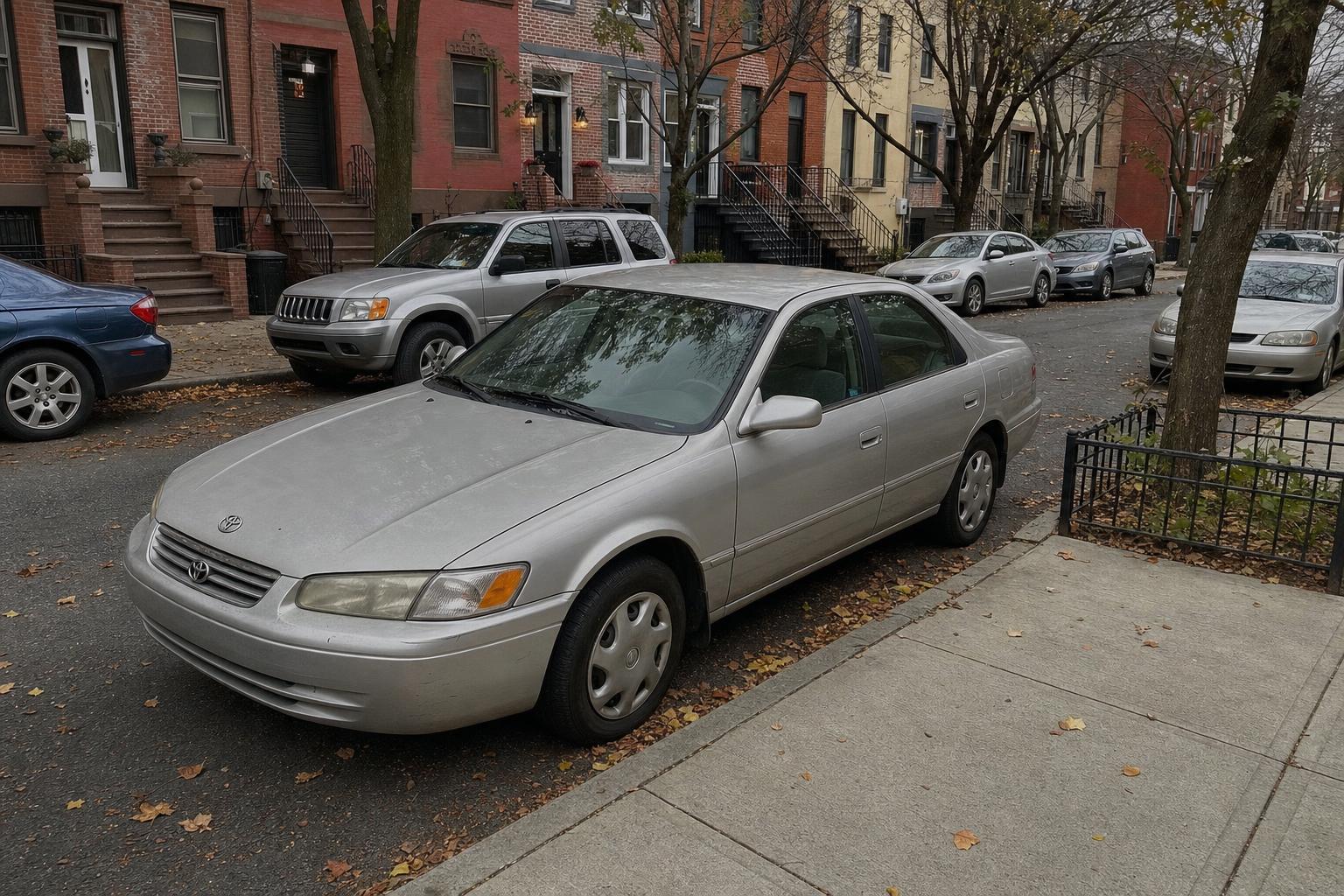
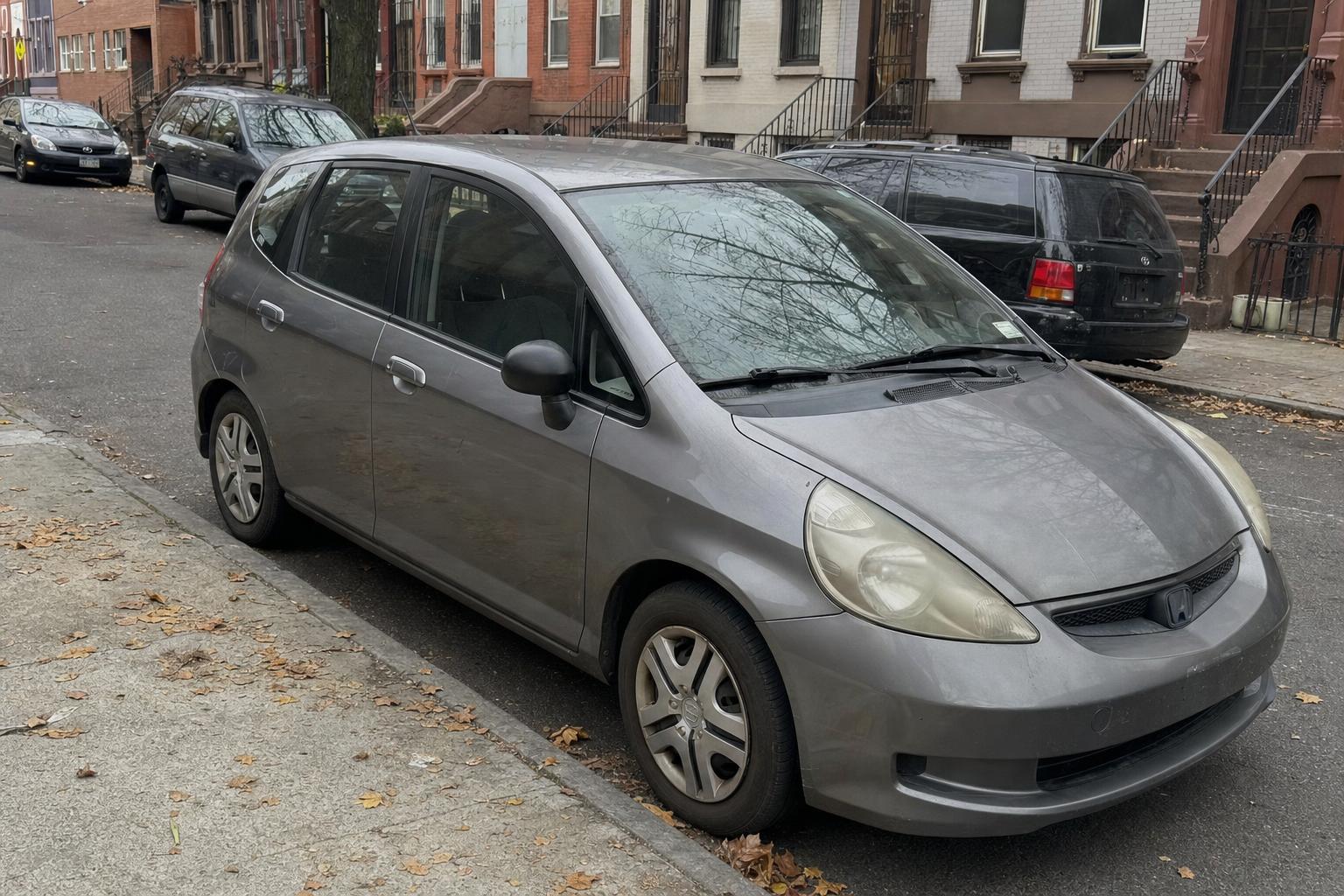
Silver sedan parked beside brick rowhouses and front stoops on a Brooklyn residential street.

To make scheduling your brooklyn car donation easier, gather three things before contacting us: your preferred pickup times, the vehicle’s exact location, and the questions you want answered. A few clear notes can help you explain what works for you without trying to remember every detail during the conversation.

We arrange vehicle pickup and towing at no cost to you. Tell us where and when you can make the vehicle available, and we will work with you to arrange pickup at a convenient time and location.

Choose your preferred timing before you contact us

Look at your calendar and identify a few times that would suit your routine. If you have flexibility, note an alternative day or time window as well. These are useful details to share, rather than extra steps you need to complete before reaching out.

  • Your first choice: Write down the day and time window that would work best.
  • An alternative: Consider another window you could offer if needed.
  • Any scheduling limits: Mention work hours, appointments, or other commitments that affect your availability.
  • A preferred contact number: Choose a number where we can reach you to discuss pickup.

If you have a particular date in mind, bring it up at the start of the conversation. Ask us what pickup timing can be arranged before adjusting other plans around the donation.

Describe the pickup location clearly

Start with the full Brooklyn address where the vehicle is currently located. Then add a short description of its position, such as curbside in front of a rowhouse, in a driveway, or inside a parking garage. If the vehicle is kept somewhere other than your home, make that distinction clear.

Useful location notes might include a nearby cross street, a driveway entrance, or access arrangements for a shared parking area. Describe what you know and ask us about any details you are unsure how to handle. You can also mention whether the location is likely to change before pickup.

Keep basic vehicle information nearby

Consider writing down the vehicle’s year, make, model, and whether it runs. These notes give you a simple reference when discussing your donation. We accept cars, trucks, and motorcycles, including vehicles that do not run.

If you call us to donate, we collect the information needed to schedule pickup. You can start the conversation even if you still have questions about what to prepare.

Bring a short list of questions

Choose the questions that matter to your situation. For example:

  • What pickup timing can we arrange around my availability?
  • What additional details do you need about the vehicle’s location?
  • What should I have ready for pickup?
  • Does anyone need to be present when the vehicle is collected?
  • How should I let you know if my availability or the vehicle’s location changes?

Keep a note of the arrangements you discuss, including the location, timing, and any next steps. This gives you a useful reference afterward and helps you spot anything you still want to ask.

Call us or start your donation online

Call us at 1-646-402-6102 to discuss your schedule and ask questions. You can also start your Brooklyn car donation online. After an online donation request, we contact you within about 24 hours to arrange pickup.

Have your preferred times, pickup address, and question list nearby when we speak. Sharing those details gives us a clear starting point for arranging your vehicle donation around your needs.
by TroopsReliefFund
https://troopsrelieffund.org/wp-content/uploads/2026/11/brooklyn-car-donation-scheduling-mz4hsm.jpg 1024 1536 TroopsReliefFund https://troopsrelieffund.org/wp-content/uploads/2017/04/logo.png TroopsReliefFund2026-11-15 16:44:532026-11-15 16:44:54How to Make Scheduling a Brooklyn Car Donation Easier

Plan Everyday Transportation Before Donating Your Last Car in Brooklyn

Brooklyn Car Donation Tips

Gray compact hatchback parked at the curb on a Brooklyn street, in front of attached rowhouses with stoops and scattered fallen leaves.

Before donating your household’s last car, test how you will handle an ordinary week without it. Your plan should cover more than the commute: groceries, appointments, caregiving, weekend errands and the ride home after a late shift all matter. We want you to feel ready for that change before you start your Brooklyn car donation.

We operate locally in Staten Island and Brooklyn. When you are ready to donate, our team can answer your vehicle donation questions. First, give yourself time to build a transportation plan that works for everyone who depends on your car.

Map the trips your household actually makes

Start with your calendar and a week or two of travel notes. Ask every household member to contribute, including anyone you regularly drive. Record each destination, required arrival time, usual departure time and return trip.

  • Work and school: Include early starts, late finishes, activities and days when schedules overlap.
  • Shopping: List grocery runs, pharmacy visits and trips involving bulky or heavy purchases.
  • Care and appointments: Include recurring appointments, visits to relatives and any need for another person’s assistance.
  • Less frequent travel: Add weekend commitments, trips outside Brooklyn and seasonal responsibilities.

Mark which trips have fixed arrival times and which can move. Then write a possible replacement beside each one: walking, subway, bus, a paid ride, delivery or an agreed ride with someone you know. Leave a blank where you have not found a workable option. Those blanks deserve attention before you give up the car.

Test routes at the times you need them

Use the MTA’s trip-planning and service resources to look up your journeys and check service alerts. Plan the return journey separately, especially when you finish work late or travel on weekends.

Try a full week without using your car for routine travel, if practical. Keep the car available while you test the alternatives. Take your normal work bag, grocery trolley or other everyday items so the trial reflects your actual needs.

Record door-to-door time rather than only time aboard a train or bus. Include the walk to the stop, waiting, transfers and the final walk to your destination. Note whether you arrived comfortably or had to rush. Test a second route for any trip where one missed connection would create a serious problem.

Compare actual household costs

Use your own bills for the car side of the comparison: insurance, parking, fuel, tolls, maintenance and any loan payment. Separate recurring expenses from occasional ones, and count only savings that would actually follow from no longer having the vehicle.

For transit, the MTA’s current subway and bus fares list a $3 base fare for most subway and local bus riders and $7.25 for express buses. With the same OMNY card, payment card or device, fares are capped at $35 within a seven-day period for subway and local bus travel, or $67 including express buses.

Build your replacement budget for the whole household, not just one commuter. Add the paid rides, deliveries and occasional rentals you reasonably expect to use. Use receipts from your trial week and actual quotes for trips you could not test. Keep a separate allowance for unexpected travel rather than treating the cheapest possible week as your normal budget.

Make accessibility part of the route

If anyone needs step-free travel, start with the MTA’s accessible-trip tools and station resources. Check the complete journey, including transfers and the entrance you intend to use.

Check MTA elevator and escalator status before leaving. Write down an alternative route for an elevator outage, and test whether the extra walking or transfer is manageable for the person making the trip.

For eligible customers whose disabilities prevent them from using public buses and subways, MTA Access-A-Ride provides shared-ride paratransit service. Explore eligibility, application and booking arrangements before making it part of your household’s transportation plan.

Give late-night trips a separate backup

For each late shift or evening commitment, write down a primary route and a backup. Check service for the actual travel time, identify where you would wait and get a realistic price for a paid ride home. If you expect help from a friend or relative, agree on availability instead of leaving the arrangement open-ended.

Discuss what you will do if your phone battery runs out, a connection is missed or your usual companion cannot travel. Keep essential route details and contact numbers somewhere you can reach without your phone.

Donate when the plan works in practice

Review the trial together. Can everyone reach essential destinations on time? Does the budget include realistic backup travel? Have you resolved the trips that still depend on the car? If not, keep testing and adjust your donation timing.

Once you are comfortable with the change, explore our vehicle donation services. We provide towing at no cost to donors and answer questions about donating your vehicle. Start your donation online when your household is ready to take the next step.

by TroopsReliefFund
https://troopsrelieffund.org/wp-content/uploads/2026/11/brooklyn-last-car-transportation-plan-kobpla.jpg 1024 1536 TroopsReliefFund https://troopsrelieffund.org/wp-content/uploads/2017/04/logo.png TroopsReliefFund2026-11-04 16:00:002026-11-03 12:37:22Plan Everyday Transportation Before Donating Your Last Car in Brooklyn

Erase Your Personal Data Before Donating a Car on Staten Island

Staten Island Car Donation Tips

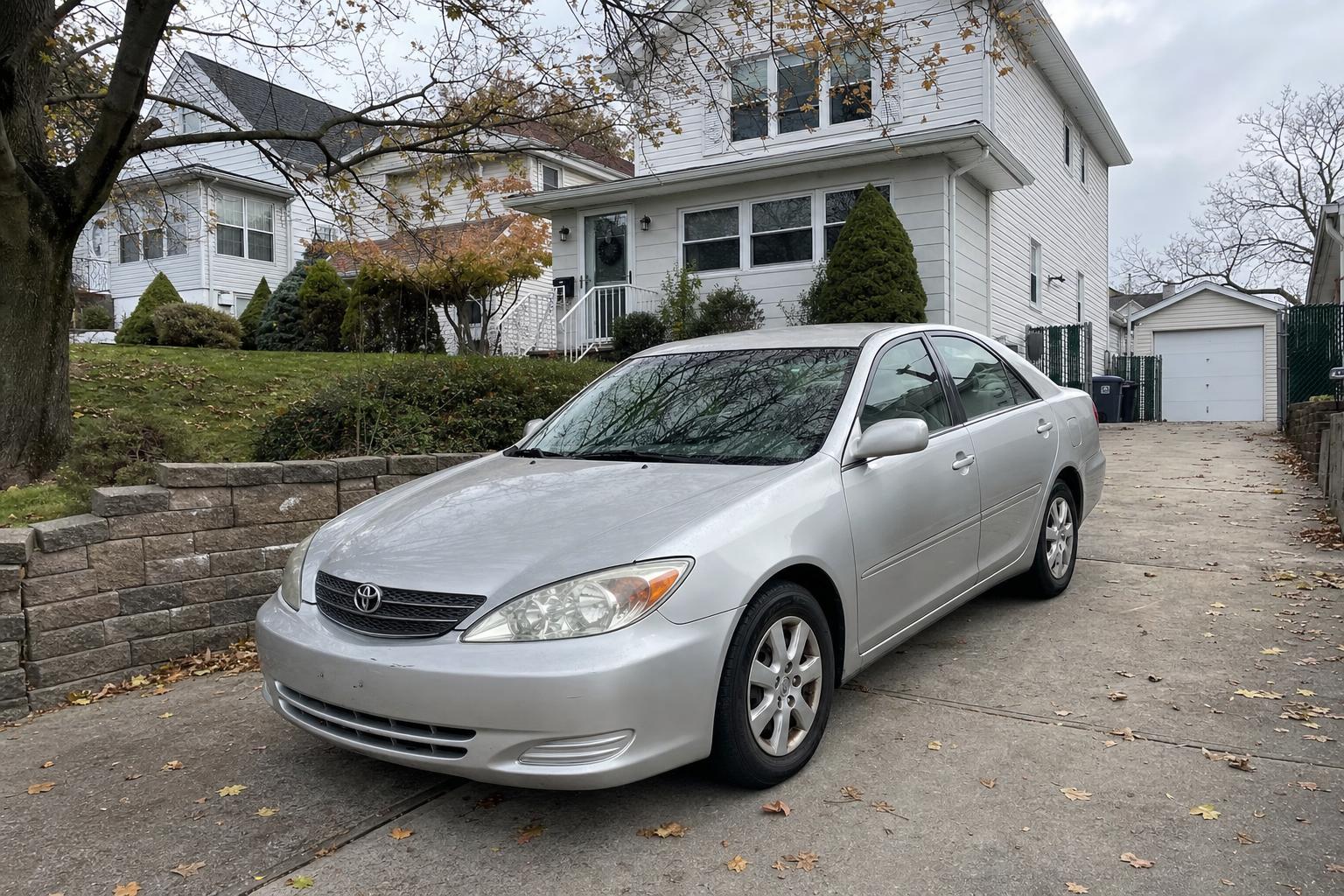
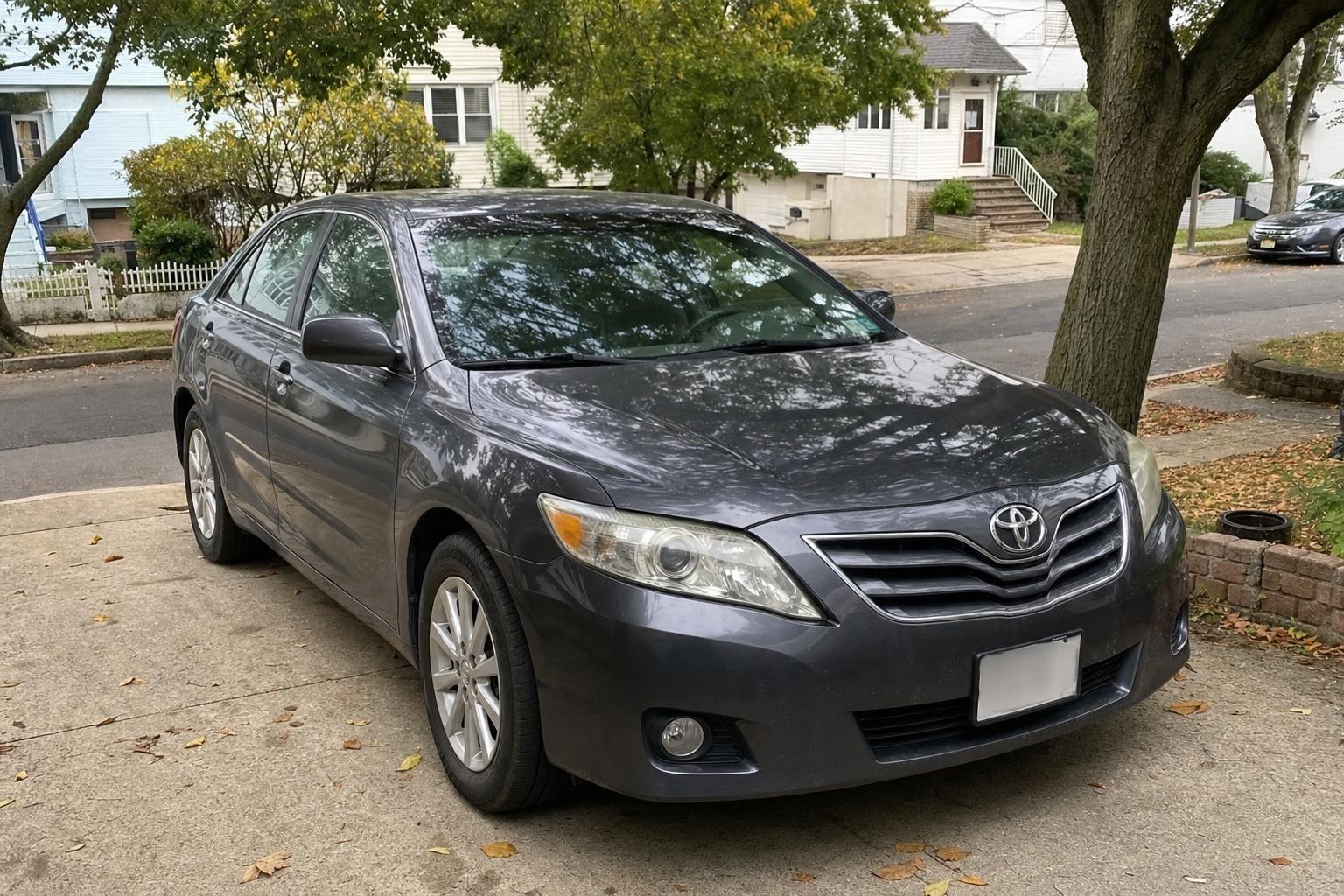
Sedan parked in a Staten Island driveway beside detached homes and autumn trees.

Before your staten island car donation, save the information you need, clear personal data from the vehicle, and disconnect its connected services. Your navigation system, paired phones, and vehicle apps deserve the same attention as your glove compartment. The Federal Trade Commission’s vehicle privacy checklist identifies saved addresses, contacts, app logins, and garage-door codes as information to remove before donating.

At Troops Relief Fund, we arrange free pickup at a convenient time and tow vehicles whether or not they run. Make your digital cleanup part of your own preparation before handing over the keys.

1. Save what you still need

Before deleting anything, make a short list of information you want to keep. Consider useful destinations, records you access through the vehicle app, and any personal files stored in the infotainment system. Copy needed details to a secure location you control, then check that you can open them without using the car.

  • Write down useful saved addresses without retaining unnecessary trip history.
  • Save any maintenance records or receipts you want for your personal files.
  • Remove your USB drives, memory cards, and other personal storage devices.
  • Ask other household drivers to check whether they have profiles or connected accounts to remove.

Find the owner’s manual for your exact model year and infotainment system before starting the reset. Keep those instructions available on your phone or in print.

2. Delete navigation history and paired phones

Check navigation menus for Home, Work, favorites, recent destinations, and saved routes. Clear the entries using your vehicle’s instructions. Also check for downloaded contacts, call history, saved app credentials, and programmed garage-door information. The FTC’s removal checklist can help you organize this sweep.

Remove each paired phone through the vehicle’s device settings, following the manual. On your phone, remove the vehicle’s saved connection as well. For an iPhone using CarPlay, the sequence is Settings, General, CarPlay, your vehicle, then Forget This Car, as shown in GMC’s CarPlay instructions. Use your phone manufacturer’s directions for other connection types.

3. Perform the correct infotainment reset

Use the manufacturer’s personal-data or factory-reset procedure for your particular vehicle, rather than borrowing instructions from a different model. Follow all displayed prompts and operating conditions, and allow the procedure to finish.

For example, Volvo’s factory-reset instructions vary by model and model year. Volvo states that its factory reset removes paired phones and stored data and settings. Its EX30 and EX90 models use different reset menu labels, illustrating why the exact instructions matter.

Afterward, inspect the accessible menus for your name, phone, contacts, and saved destinations. Consider keeping a private checklist of the settings you cleared. Do not reconnect your phone just to test the system.

4. Revoke connected-car access separately

Check the manufacturer’s app and online account for the procedure to remove your vehicle and end its connection to your account. Include any other household accounts linked to the car. Follow the manufacturer’s sequence, since account removal and an in-car reset may interact.

Deleting an app from your phone is not the same as disconnecting the vehicle. Ford’s connected-vehicle privacy instructions explain that deleting its app does not disable vehicle data sharing. Ford also identifies account-removal steps for vehicles with a Connectivity Device. Use the directions that apply to your own vehicle and equipment.

Review satellite radio, hotspot, and other vehicle subscriptions separately. A factory reset may leave those services active; the FTC recommends canceling or transferring them.

5. Finish your preparation before pickup

If the screen will not power on or you cannot complete a reset, contact the vehicle manufacturer or a dealer for model-specific help. You can still review account-removal options from your phone or computer while seeking assistance.

Keep digital preparation separate from arranging your donation: follow the manufacturer’s instructions for your data and accounts, and contact us to arrange vehicle pickup. Explore our Staten Island car donation options, start your donation online, or call us at 1-646-402-6102.

by TroopsReliefFund
https://troopsrelieffund.org/wp-content/uploads/2026/11/staten-island-car-donation-data-privacy-1dct3n.jpg 1024 1536 TroopsReliefFund https://troopsrelieffund.org/wp-content/uploads/2017/04/logo.png TroopsReliefFund2026-11-03 16:15:002026-11-01 09:34:11Erase Your Personal Data Before Donating a Car on Staten Island

Making a Staten Island Vehicle Donation Decision with Confidence

Staten Island Car Donation Tips

Silver sedan parked in a Staten Island driveway beside detached homes and autumn trees.

A confident vehicle donation decision starts with two questions: can you comfortably let the vehicle go, and does the cause reflect what you want your gift to support? If both answers are yes, donating may be a good fit. If you still need the car or need money from selling it, take time to weigh those needs first.

At Troops Relief Fund, donation proceeds go directly to local troops and veterans in the New York City area. We provide free vehicle pickup throughout Staten Island, whether your vehicle runs or not. Your decision can bring together a practical change at home and a meaningful way to support others.

Start with your transportation and household needs

Before deciding what to do with an unused vehicle, think about the role it still plays in your life. A car that rarely leaves the driveway may still be your backup for work, appointments or family responsibilities.

Ask yourself:

  • Will I need this vehicle in the next few months?
  • Do I have another workable way to handle the trips it currently covers?
  • Would anyone in my household be affected by letting it go?
  • Do I need sale proceeds for a replacement vehicle or another expense?

These questions help separate wanting more space from being ready to part with the car. You do not need to rush a charitable decision before your everyday needs are settled.

Compare donating with selling

If receiving money for the vehicle is your priority, consider whether a sale better serves your situation. Think about how much time you want to spend creating a listing, responding to inquiries and meeting prospective buyers.

If your priority is supporting troops and veterans while letting go of a vehicle you no longer need, donation offers a different path. With our free Staten Island pickup, you can discuss the vehicle with us rather than plan a private sale. We also accept vehicles that do not run, so a nonrunning car can still be part of your donation decision.

Choose a purpose that matters to you

The charitable reason deserves as much thought as the practical one. Consider whether supporting local troops and veterans is something you genuinely want your vehicle to help accomplish.

We support programs that assist veterans with assistance dogs, Wounded Warrior Project efforts and overseas care packages. You can explore reasons to donate your car to support troops and veterans as you consider whether our work matches your giving priorities.

You do not need an elaborate reason for giving. A sincere connection to the cause, together with readiness to let the vehicle go, can be enough to take the next step.

Bring your individual questions to us

Before you contact us, make a short list of anything you want to discuss. Useful details include the vehicle’s make and model, whether it runs, where it is located and any access concerns you have. These are conversation starters, not a substitute for asking about your particular situation.

  • Ask about pickup arrangements for your Staten Island location.
  • Describe the vehicle’s condition and any concerns you want to discuss.
  • Ask what information you should have ready before proceeding.
  • Tell us if timing is important to your decision.

Take the next step when you feel ready

A simple readiness check is to finish this sentence: I no longer need this vehicle, I am comfortable giving it rather than selling it, and I want to support local troops and veterans. If that describes your situation, you have a clear reason to move forward.

Call us at 1-646-402-6102 to talk through your questions, or start your donation online when you are ready.

by TroopsReliefFund
https://troopsrelieffund.org/wp-content/uploads/2026/10/staten-island-car-donation-decision-zzbi1u.jpg 1024 1536 TroopsReliefFund https://troopsrelieffund.org/wp-content/uploads/2017/04/logo.png TroopsReliefFund2026-10-31 16:15:002026-10-25 09:43:02Making a Staten Island Vehicle Donation Decision with Confidence

Donating a Vehicle in Brooklyn: A Practical Call Checklist

Brooklyn Car Donation Tips

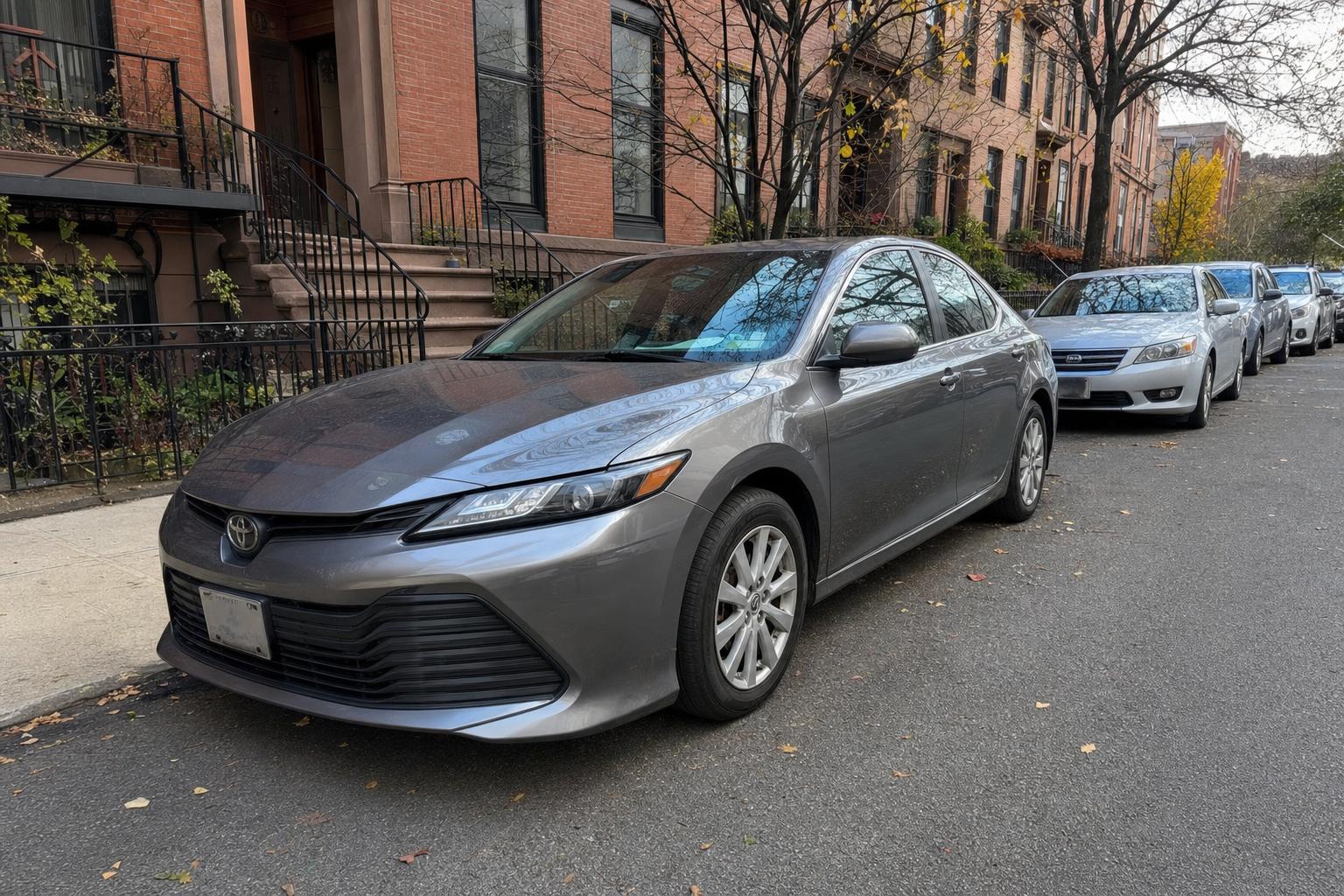
Silver sedan parked beside Brooklyn brownstones with front stoops and autumn leaves near the curb.

Ready to make a brooklyn car donation as October comes to a close? Start with a short list of what you know about your vehicle, where it is parked and when pickup would work for you. When you call us to donate, we collect the information needed to schedule your vehicle pickup. Your notes can help you explain your situation and keep your questions together.

You do not need to turn your preparation into a complicated project. Use the suggestions below to organize the conversation, then call us at 1-646-402-6102 to get started.

1. Write down a simple vehicle description

A few basic notes can give you a useful starting point. Consider keeping these details nearby:

  • The type of vehicle you want to donate, such as a car, truck or motorcycle.
  • The make, model and approximate year, if you know them.
  • Whether the vehicle currently runs.
  • Any condition details you want to discuss with us.

We accept cars, trucks and motorcycles, including vehicles that do not run. Describe what you know in everyday language. If you are unsure about a detail, make a note of the question rather than guessing or trying to diagnose a mechanical issue before calling.

2. Note the vehicle’s location and access details

Write down the Brooklyn address where the vehicle is currently parked. You might also note whether it is at the curb, in a driveway or inside a garage. Mention anything you think could help explain access, such as a narrow entrance or other vehicles nearby.

These are conversation prompts, not a list of required preparations. We arrange pickup and towing at no cost to you, and we work with you to arrange a convenient pickup time and location. Sharing a clear description gives us a starting point for discussing those arrangements.

3. Think through your availability

Before you call, look at your calendar and jot down a few times that would suit you. If you hope to move the vehicle before November begins, tell us that preference during the conversation and ask about scheduling.

  • Which days or time windows would be convenient?
  • Are there times when access to the vehicle is more difficult?
  • What questions would you like answered before arranging pickup?

Keep your preferred timing separate from the arrangements you discuss with us. After the call, write down the details you agreed on so you can refer to them later.

4. Keep a short question list beside you

Our staff can answer your donation questions. A written list can help you remember what matters most to you, especially if you are calling during a busy day. Useful questions include:

  1. What additional information do you need from me to schedule pickup?
  2. What pickup timing can we arrange for this location?
  3. Is there anything I should do before the pickup?
  4. What is my next step after this call?

Leave room beside each question to record the answer. Before ending the conversation, repeat back any next steps so you have a clear plan.

Start your Brooklyn donation conversation

Keep your vehicle notes, location details, preferred timing and questions in one place. That is a practical way to move from thinking about donating to discussing the arrangements with us.

Call us at 1-646-402-6102, or start your Brooklyn car donation online. If you begin online, we will contact you within about 24 hours to arrange pickup.

by TroopsReliefFund
https://troopsrelieffund.org/wp-content/uploads/2026/10/brooklyn-car-donation-call-checklist-4cnank.jpg 1024 1536 TroopsReliefFund https://troopsrelieffund.org/wp-content/uploads/2017/04/logo.png TroopsReliefFund2026-10-31 16:00:002026-10-25 09:42:52Donating a Vehicle in Brooklyn: A Practical Call Checklist

Donating a Truck on Staten Island: What to Confirm

Staten Island Car Donation Tips

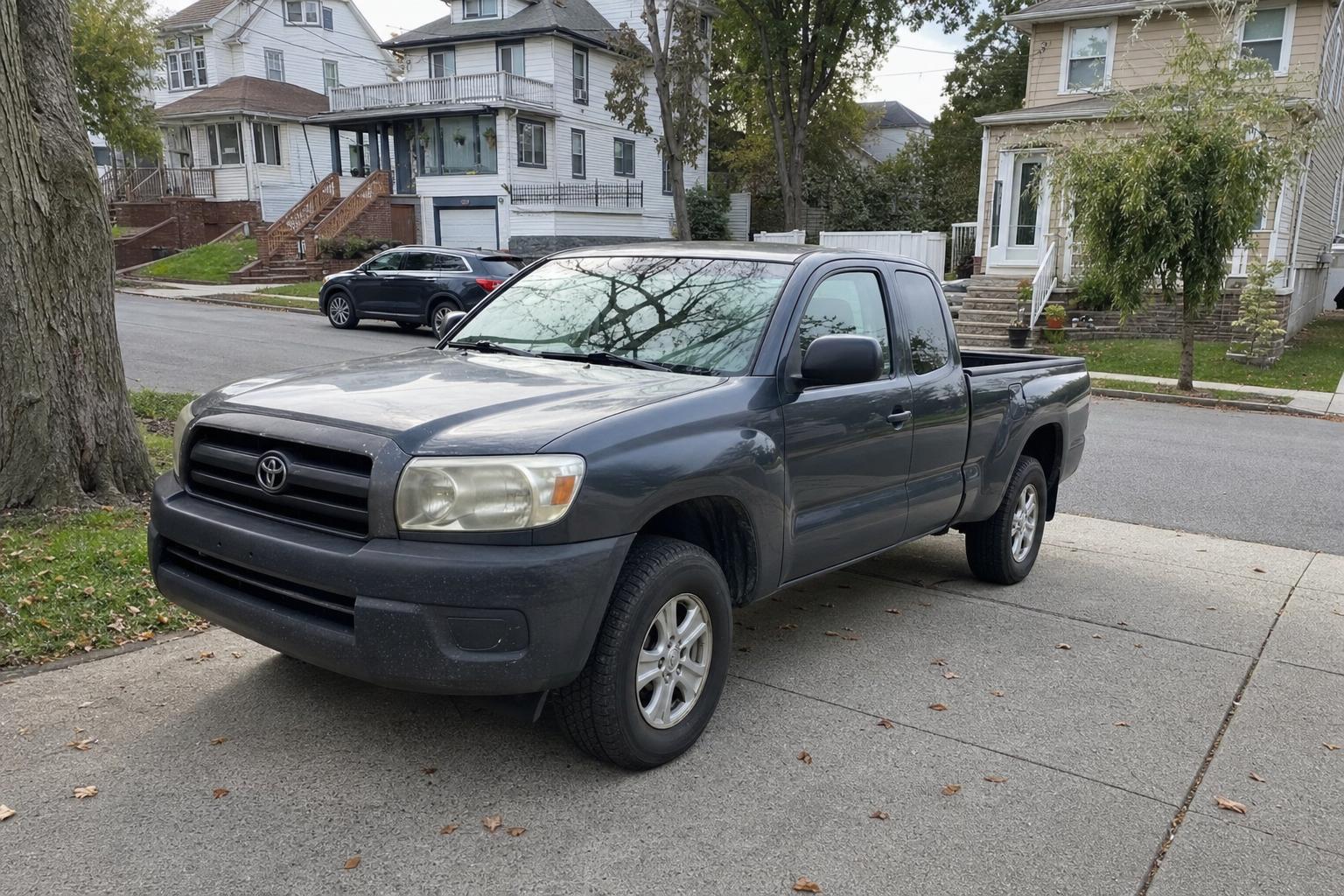
Used pickup truck parked in a Staten Island driveway beside detached homes and mature trees.

Yes, we accept trucks through our Staten Island car donation program, including trucks that do not run. Before arranging your donation, tell us what kind of truck you have, describe its current condition, and explain where it is parked. Those details give us a useful starting point for discussing your truck and its pickup.

We arrange vehicle pickup and towing at no cost to you. To get started, call us at 1-646-402-6102 or begin your staten island car donation online. Here are the details worth having nearby and the questions worth asking.

Describe the truck, not just its make

A short description can make the conversation more useful. Along with the year, make, and model, tell us whether you have a pickup, a truck with an enclosed cargo body, or another configuration. Mention anything that changes its overall size, such as an extended bed, a camper shell, or equipment attached to the body.

You can use this list to organize your notes before contacting us:

  • Basic identity: The truck’s year, make, model, and body style.
  • Size and configuration: Details such as cab style, bed length, or an attached cargo body.
  • Current condition: Whether it starts and runs, how long it has been parked, and any known damage.
  • Equipment and contents: Any racks, toolboxes, attachments, or belongings you want to discuss.

If you do not know a detail, tell us what you do know. Ask which additional information would help us discuss your particular truck rather than trying to guess.

Explain where the truck is parked

The pickup address is only part of the description. Tell us whether your truck is in a driveway, along a residential street, behind a gate, or in a garage. Mention narrow access, a sloped driveway, nearby parked vehicles, or anything overhead that you think may affect access.

For a nonrunning truck, describe its position as well as its condition. For example, let us know whether it is facing the street or parked behind another vehicle. You do not need to work out the towing method yourself. Ask us what details we need to plan pickup at that location.

Ask these questions before settling on pickup

  • Can we discuss my truck’s specific body style, size, and attached equipment?
  • What additional information do you need about its condition?
  • Is the current parking location suitable for the pickup arrangement?
  • What should I prepare before pickup, including keys and paperwork?
  • What should I do about belongings or equipment I want to keep?
  • Does anyone need to be present, and what timing should we discuss?

These questions help you turn a general interest in donating into a clear conversation about your own vehicle. Bring up any planned move, property access restriction, or availability issue early so we can discuss a convenient time and location with you.

Take the next step with your truck’s details ready

We sell donated vehicles at auction or recycle them into new materials, with proceeds benefiting charities partnered with Troops Relief Fund. Your first step is simply to tell us about the truck you would like to donate.

Call us at 1-646-402-6102 to discuss your truck and pickup questions, or start your donation online. Keep your notes handy so you can share the vehicle description, parking details, and scheduling questions in one conversation.

by TroopsReliefFund
https://troopsrelieffund.org/wp-content/uploads/2026/10/staten-island-truck-donation-pickup-dh7q09.jpg 1024 1536 TroopsReliefFund https://troopsrelieffund.org/wp-content/uploads/2017/04/logo.png TroopsReliefFund2026-10-28 16:15:002026-10-25 09:42:00Donating a Truck on Staten Island: What to Confirm

A Donor’s Checklist for Contacting Troops Relief Fund

Staten Island Car Donation Tips

Silver sedan parked in a Staten Island driveway beside detached homes and mature trees.

Getting ready for a staten island car donation? A few notes about your vehicle, its location and your availability can help you keep your first conversation with us focused. You can begin by calling us or completing our online donation form. We’ll explain exactly what information we need and help arrange the next step.

Use this checklist as a practical way to prepare, rather than a list of required answers. Bring your questions, too. Our staff is ready to help you understand the donation process.

Have a short vehicle description ready

Consider writing down the vehicle’s year, make and model so you can describe it easily. Mention whether you’re donating a car, truck or motorcycle, and whether it currently runs. We accept those vehicle types, including vehicles that do not run.

  • Basic description: Note the year, manufacturer and model if you know them.
  • Running condition: Be ready to tell us whether the vehicle starts and runs.
  • Questions about the vehicle: Write down anything you would like to discuss before moving forward.

Describe what you already know in everyday language. If you are unsure about a detail, make it a question for our conversation rather than guessing.

Note where the vehicle is parked

Have the Staten Island pickup address handy, along with a simple description of where the vehicle sits. A driveway, garage or curbside space gives us different details to discuss when arranging pickup.

You might also note anything you want us to know about reaching the vehicle, such as a narrow driveway or limited space nearby. These are useful conversation points, not a reason to decide on your own whether pickup can be arranged. Tell us about the location and ask any access questions you have.

Think through your availability

We arrange vehicle pickup and towing at no cost to you, at a convenient time and location agreed with you. Before contacting us, consider a few days or time windows that fit your schedule.

  • Write down your preferred pickup availability.
  • Keep an alternative time in mind if your schedule allows.
  • Have your preferred callback number ready.
  • Mention any timing concern you would like us to discuss.

When you call to make your donation, we collect the necessary information and schedule your pickup time right away. If you choose to donate online, we’ll get in touch within 24 hours to schedule your pickup. That contact window is for arranging pickup, so keep your availability notes nearby for the conversation.

Keep your questions together

A short question list can help you finish the conversation with clear next steps. You might ask:

  • What exact information do you need from me?
  • What should I have ready before pickup?
  • Is there anything about my vehicle’s location that we should discuss?
  • What happens after we arrange the pickup?

Leave room beside your questions to jot down our answers and any next steps. Keeping those notes in one place can make it easier to remember the arrangements afterward.

Start your donation with us

You do not need a polished vehicle description or a long explanation to begin. A few clear notes and your questions are a useful starting point.

Call us at 1-646-402-6102 to talk through your donation, or start your Staten Island car donation online. We’ll help you turn that first conversation into clear pickup arrangements.

by TroopsReliefFund
https://troopsrelieffund.org/wp-content/uploads/2026/10/staten-island-car-donation-checklist-njljus.jpg 1024 1536 TroopsReliefFund https://troopsrelieffund.org/wp-content/uploads/2017/04/logo.png TroopsReliefFund2026-10-26 16:15:002026-10-25 09:41:17A Donor’s Checklist for Contacting Troops Relief Fund

How to Plan a Donation Pickup for Multiple Vehicles in Staten Island

Staten Island Car Donation Tips

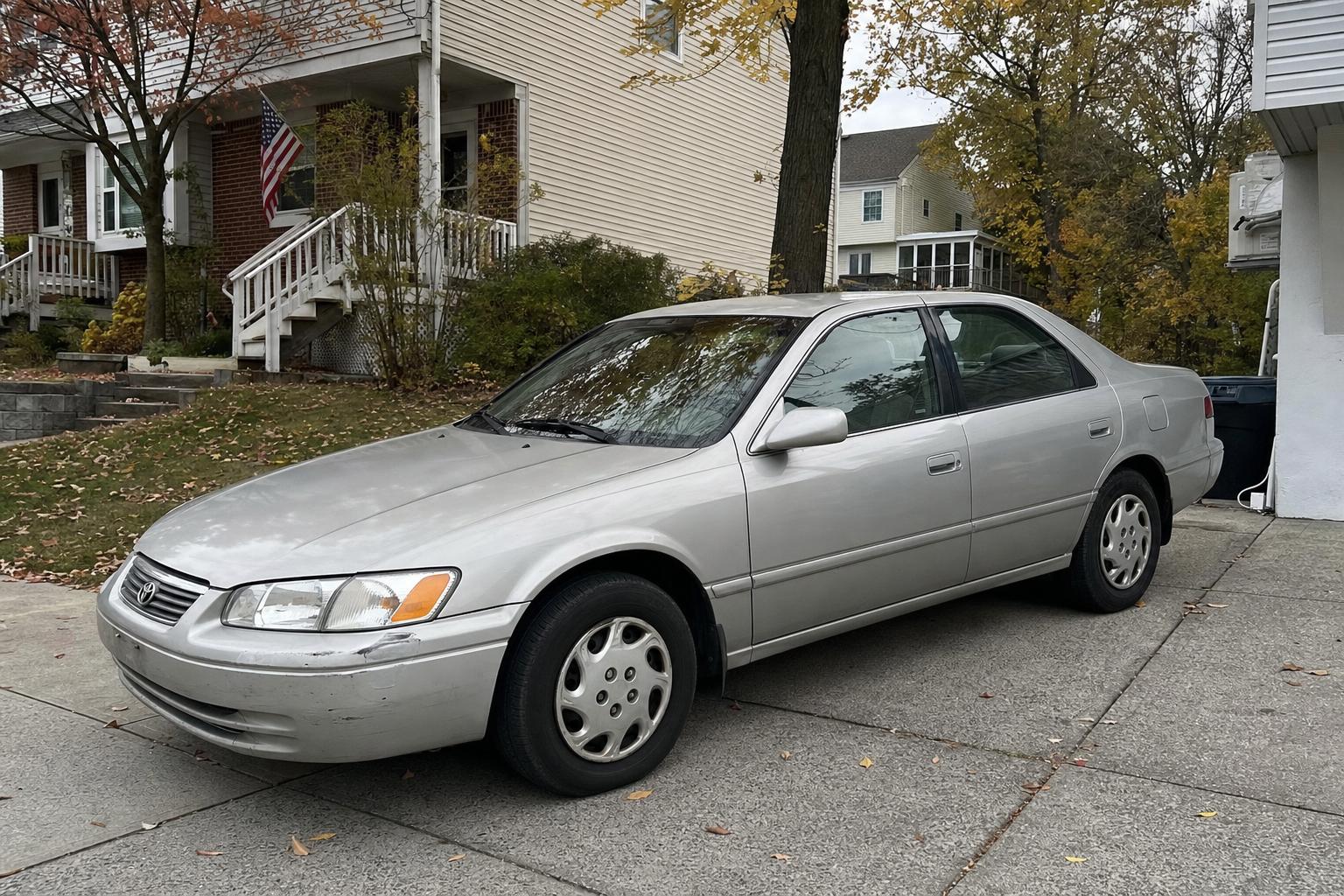
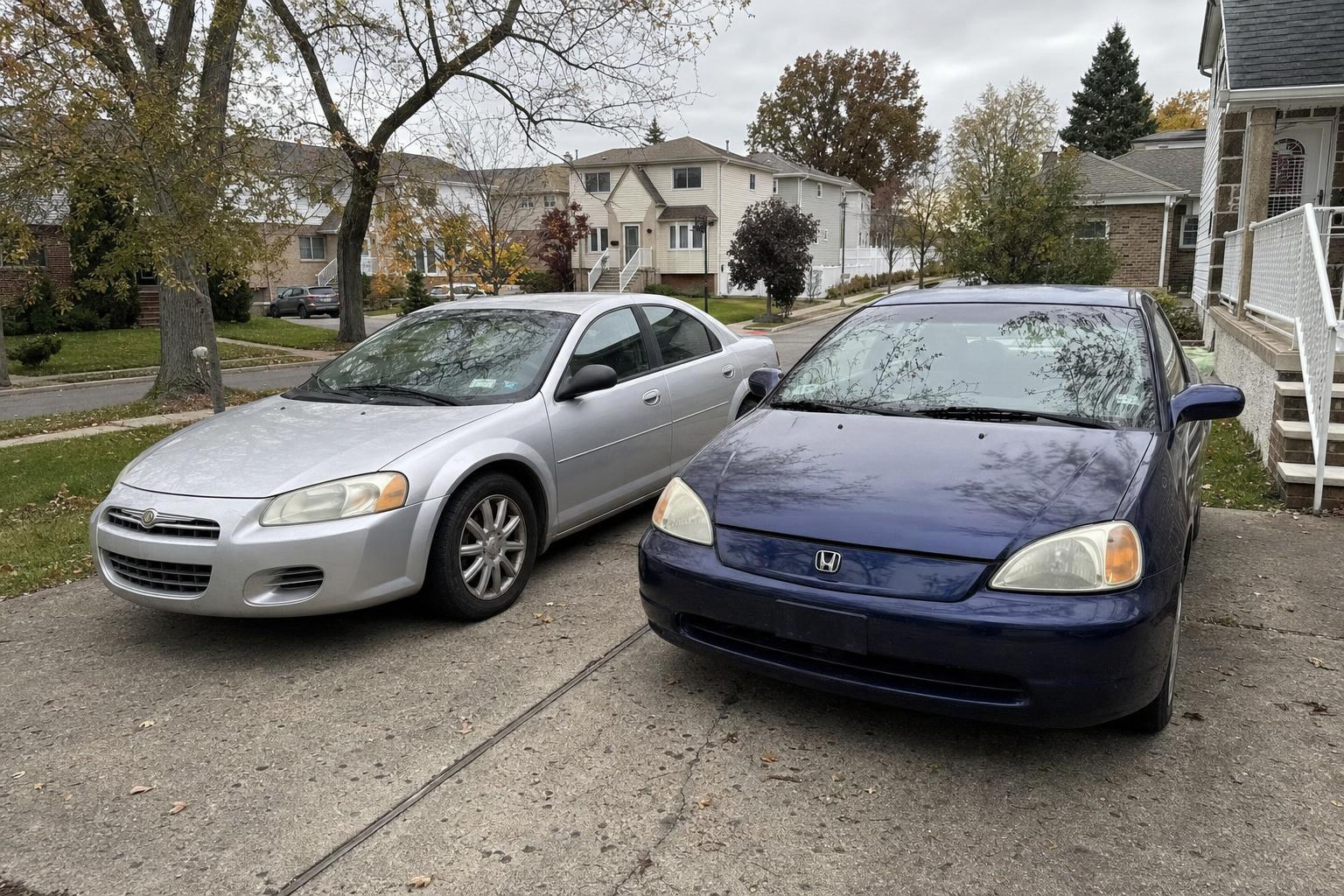
Two used cars parked side by side in a Staten Island residential driveway near detached homes.

If you have more than one vehicle to donate, start with a separate inventory for each vehicle, then call us to discuss the locations and your availability. Ask whether the pickups can be coordinated and whether they would require one visit or separate appointments. Set your plans around the arrangements discussed with us rather than assuming every vehicle will leave together.

We accept cars, trucks and motorcycles, including vehicles that do not run, and we arrange pickup and towing at no cost to you. For a multiple-vehicle donation, a clear list gives you a practical starting point for discussing each vehicle with us.

Make one inventory entry per vehicle

A notebook, spreadsheet or simple phone note can help you keep the details separate. Consider giving each entry an easy label, such as “blue sedan in driveway” or “motorcycle in garage,” so you can refer to the right vehicle during your call.

  • Basic description: Note the year, make, model, vehicle type and color.
  • Running condition: Record whether the vehicle runs, does not run or has not been started recently. Describe what you know rather than guessing.
  • Exact pickup location: List the address and where the vehicle sits on the property.
  • Access details: Note a garage, gate, narrow driveway or another vehicle parked in front of it.
  • Keys: Note whether you have located them and which vehicle they belong to.
  • Open questions: Keep a short list of anything you need to ask us about that particular vehicle.

These notes are a planning aid, not a list of required submission fields. Their purpose is to help you describe several vehicles without mixing up their locations or conditions.

Group the vehicles by location and availability

If the vehicles are at different Staten Island addresses, create a separate section for each address. Note who can provide access and which days or time periods would work for that person. If they are all at one property, describe where each vehicle is parked and whether one is behind another.

Choose a few possible time windows before you call. If you need to coordinate with another household member, discuss availability together first. Mention any move-out date or other scheduling concern early, and ask what arrangements are available before committing to a particular day.

Ask these questions when you call us

Tell us at the beginning of the conversation that you have multiple vehicles to discuss. Then use your inventory to work through each one.

  1. Can pickups for these vehicles be coordinated?
  2. Would the arrangements involve one visit or separate appointments?
  3. How should we organize pickups if the vehicles are at different addresses?
  4. What information do you need for each vehicle?
  5. What should I have ready for each pickup?
  6. What access details should we discuss before scheduling?

Write the answers beside the relevant vehicle. If separate appointments are arranged, keep each date, location and preparation note attached to the correct entry.

Keep your final checklist vehicle-specific

Before each arranged pickup, review your notes and check each vehicle for personal belongings. Keep keys and any materials discussed during scheduling clearly associated with the right vehicle. If a location, access arrangement or your availability changes, call us to discuss the change.

You do not need to solve every scheduling question before reaching out. A useful first step is simply knowing how many vehicles you want to discuss, where they are and when you are available.

Call us at 1-646-402-6102 with your inventory, or start your staten island car donation online. Let us know that you have multiple vehicles and ask about coordinating their pickups.

by TroopsReliefFund
https://troopsrelieffund.org/wp-content/uploads/2026/10/staten-island-multiple-vehicle-pickup-6cxjcb.jpg 1024 1536 TroopsReliefFund https://troopsrelieffund.org/wp-content/uploads/2017/04/logo.png TroopsReliefFund2026-10-23 16:15:002026-10-18 09:35:32How to Plan a Donation Pickup for Multiple Vehicles in Staten Island

A Busy Donor’s Shortlist for Starting a Car Donation

Staten Island Car Donation Tips

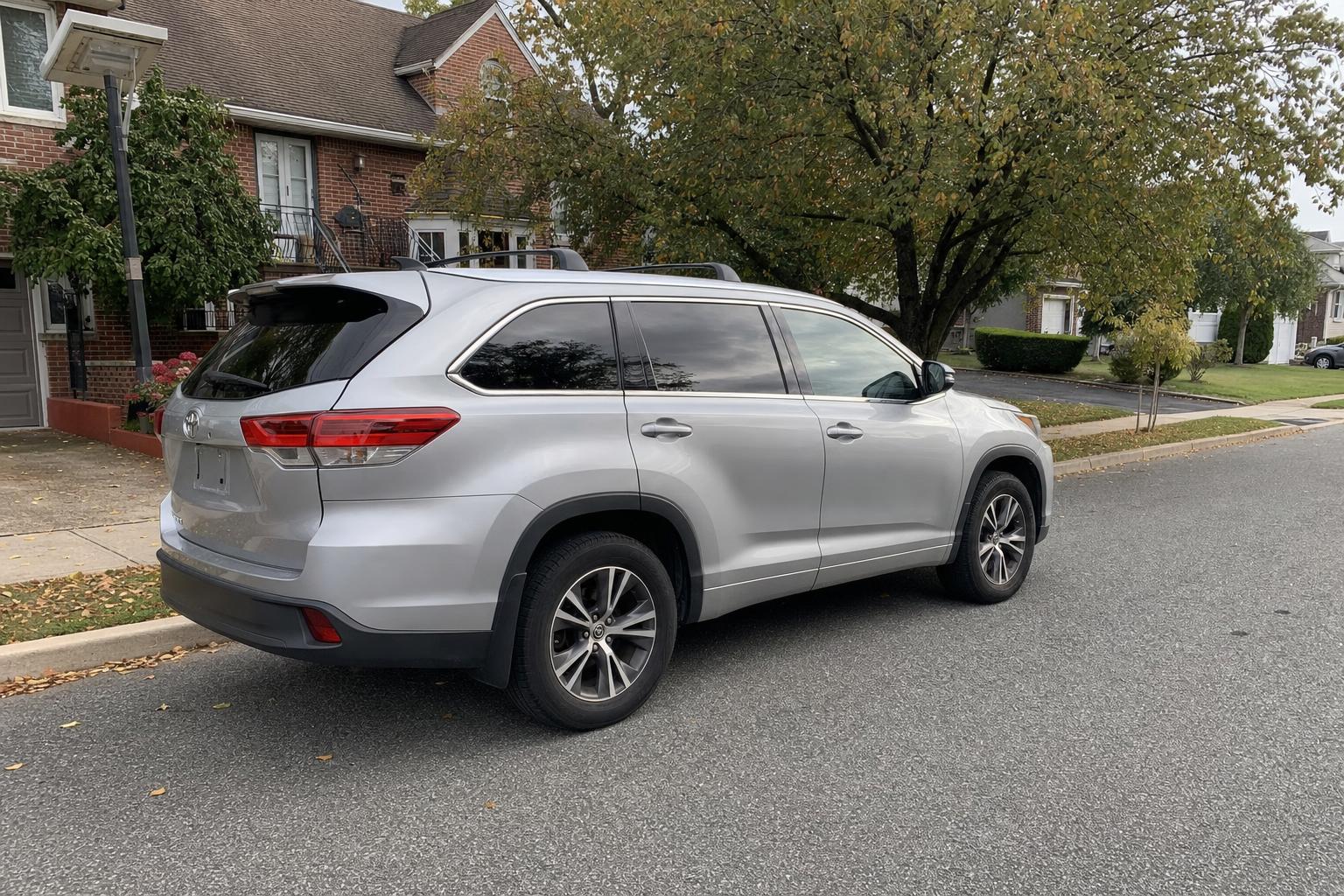
Silver SUV parked on a residential street in front of homes and mature trees on Staten Island

Starting a Staten Island car donation can begin with one short note: what vehicle you have, where it is parked, when pickup would suit you, and what you want to ask us. You can then call Troops Relief Fund or complete our online donation form. We accept cars, trucks and motorcycles, including vehicles that do not run, and arrange pickup and towing at no cost to you.

Five things to decide or gather before contacting us

  1. Write down the vehicle basics. Note the vehicle type, make, model and approximate year if you know them. Add whether it runs and any condition details you want to discuss. A few plain-language notes can make the conversation easier.
  2. Note its current location. Write down the Staten Island address where the vehicle is parked and whether it is in a driveway, garage or curbside space. Include useful details such as a shared driveway or a nearby landmark so you can explain the location clearly.
  3. Choose some convenient pickup windows. Look at your calendar and identify times that would work around your responsibilities. Keep those preferences handy when we discuss pickup arrangements with you.
  4. Choose phone or online. Call if you would like to talk through questions as you begin. Use our online donation form if you prefer to start by entering your information. Choose the option that fits your day.
  5. Keep your questions together. Make a short list of anything you want to ask about the vehicle, pickup location or next steps. Keeping those questions beside your vehicle notes can help you cover everything in one conversation.

What happens after you reach out?

Call us at 1-646-402-6102 to discuss your donation and schedule pickup. If you complete our online donation form, we contact you within 24 hours to arrange pickup. That contact is for scheduling; choose pickup preferences that fit your calendar rather than planning around an assumed collection time.

We arrange a convenient pickup time and location with you, and pickup and towing are at no cost to you. Tell us whether the vehicle runs when you contact us. A nonrunning car, truck or motorcycle can still be donated through our program.

Keep a small follow-up list

Once pickup is arranged, consider setting a reminder to collect personal belongings from the vehicle. Check the glove compartment, storage pockets and trunk for items you want to keep. If your availability or the vehicle’s location changes, contact us to discuss the arrangements.

We mail a donation receipt after receiving your vehicle. Choose a place to keep it with your donation records so it is easy to find later.

Put your shortlist to use

We sell donated vehicles at auction or recycle them into new materials. Proceeds benefit charities partnered with Troops Relief Fund, supporting work for military personnel and veterans.

Ready to begin? Start your Staten Island car donation online, or call us at 1-646-402-6102. Keep your vehicle notes, pickup preferences and questions nearby, and we can discuss the next steps with you.

by TroopsReliefFund
https://troopsrelieffund.org/wp-content/uploads/2026/10/staten-island-car-donation-donor-checklist-3lq3zs.jpg 1024 1536 TroopsReliefFund https://troopsrelieffund.org/wp-content/uploads/2017/04/logo.png TroopsReliefFund2026-10-20 16:15:002026-10-18 09:34:19A Busy Donor’s Shortlist for Starting a Car Donation

Preparing for a Brooklyn Vehicle Pickup: What to Confirm

Brooklyn Car Donation Tips

A parked sedan on a Brooklyn residential street with brownstone buildings nearby

Getting ready for a brooklyn car donation pickup is easier when you have the key details ready before arranging a time. Think through the vehicle’s location, how a pickup vehicle can reach it, and a time that works for you. Troops Relief Fund serves Brooklyn and arranges vehicle pickup and towing at no cost to the donor.

Share the vehicle and location details

When you contact us, be ready to identify the vehicle and tell us where it is located. If it is parked in a driveway, on a residential street, or in another spot, describe the location clearly. Mention practical access details that could help coordinate the pickup, such as a gate, a narrow entrance, or where the vehicle can be reached. Sharing these details can help make the arrangement clearer.

Tell us whether the vehicle runs. We accept cars, trucks and motorcycles, including vehicles that do not run. Knowing this in advance helps us discuss the pickup arrangement with you. If the vehicle is not in a place where it can be reached easily, explain that when you call or submit your online donation request.

Choose a convenient pickup time

We arrange pickup at a convenient time and location with the donor. Consider your own schedule and the vehicle’s location before you begin, then let us know what timing works for you. If you submit an online donation request, we contact you within about 24 hours to arrange pickup. You can also call us directly at 1-646-402-6102 to get started and discuss the vehicle.

Before pickup is arranged, consider who will be available and how the vehicle can be accessed at the agreed location. If the location or your availability changes, contact us so the pickup details can be discussed again. Clear communication helps both sides work toward a practical arrangement.

Prepare a few details ahead of time

  • Note the vehicle’s make, model and approximate location.
  • Be ready to say whether it runs.
  • Describe any access considerations at the pickup location.
  • Think about a convenient time for the pickup.
  • Keep any vehicle or donation records you already have available for reference.

This short preparation can make your first conversation more useful. We accept vehicles that do not run and arrange towing at no cost to the donor. If you have a question about your vehicle or pickup location, share it when you contact us rather than trying to solve every detail in advance.

Know what happens after pickup

Troops Relief Fund raises funds through donated vehicle auctions and the sale of recycled automotive materials. We sell donated vehicles at auction or recycle them into new materials, and the proceeds benefit charities partnered with us. Our support includes assistance dogs for veterans, overseas care packages for active troops and local Wounded Warrior Project efforts. We mail a donation receipt after receiving the vehicle.

For Brooklyn-specific donation information, visit our Brooklyn car donation details. When you are ready, start your donation online or call us at 1-646-402-6102. Share the vehicle’s condition, location and a convenient time, and we can work with you to arrange pickup.

by TroopsReliefFund
https://troopsrelieffund.org/wp-content/uploads/2026/10/brooklyn-vehicle-pickup-street-ovomgj.jpg 1024 1536 TroopsReliefFund https://troopsrelieffund.org/wp-content/uploads/2017/04/logo.png TroopsReliefFund2026-10-20 16:00:002026-10-18 09:31:24Preparing for a Brooklyn Vehicle Pickup: What to Confirm
Page 1 of 212

About Troops Relief Fund

We send overseas care packages and assist veterans with vet dogs, as well as provide support to the wounded warrior project. Donation proceedings go to Phillips Global ROTC Program for armed forces. Our focus is on the areas of Staten Island, Brooklyn, and Queens.

Learn More

Contact Us

Phone: 1-646-402-6102

Address: 400C Victory Boulevard
Staten Island, NY 10301
(Staten Island Chapter)

P.O. Box:PO Box 140580
Howard Beach, NY 11414

How It Works

Call Us! (or Click)
Speak to a professional who will walk you through our fast and easy process. (You can also click here and do everything yourself online!)
Schedule Your Pickup
We always make sure to choose a time that’s most convenient to you. You tell us where your vehicle can be picked up, and we’ll do everything else!.
Donation
Your vehicle will be sold in an auction or recycled into new materials. The proceeds from either of these sales will benefit the charities that have partnered with Troops Relief Fund.
Tax Deduction
Finally, once we have your donation, we mail you a tax-deductible receipt. Save it, and use it on next year’s taxes to claim your deduction. It’s that easy!.

© Copyright - Troops Relief Fund Web Design by NB Technologies
Scroll to top Scroll to top Scroll to top