Staten Island Car Donation | Troops Relief Fund
  • Home
  • How To Donate
  • Our Mission
  • Our Services
  • Why Donate Your Car?
  • Blog
  • Donate
  • Menu Menu

Tag Archive for: vehicle donation records

Does a Staten Island Car Donation Require a Qualified Appraisal?

Staten Island Car Donation Tips

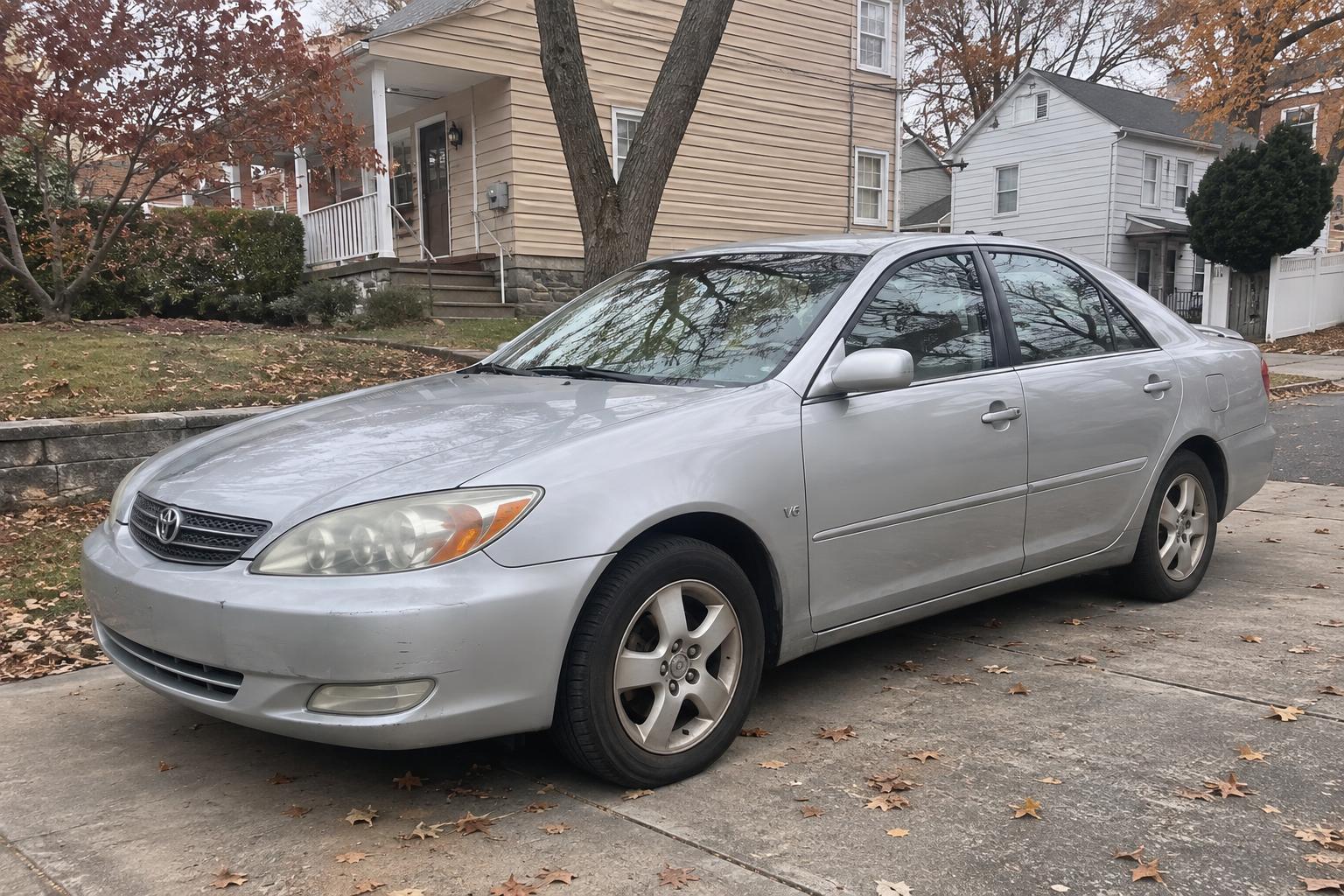
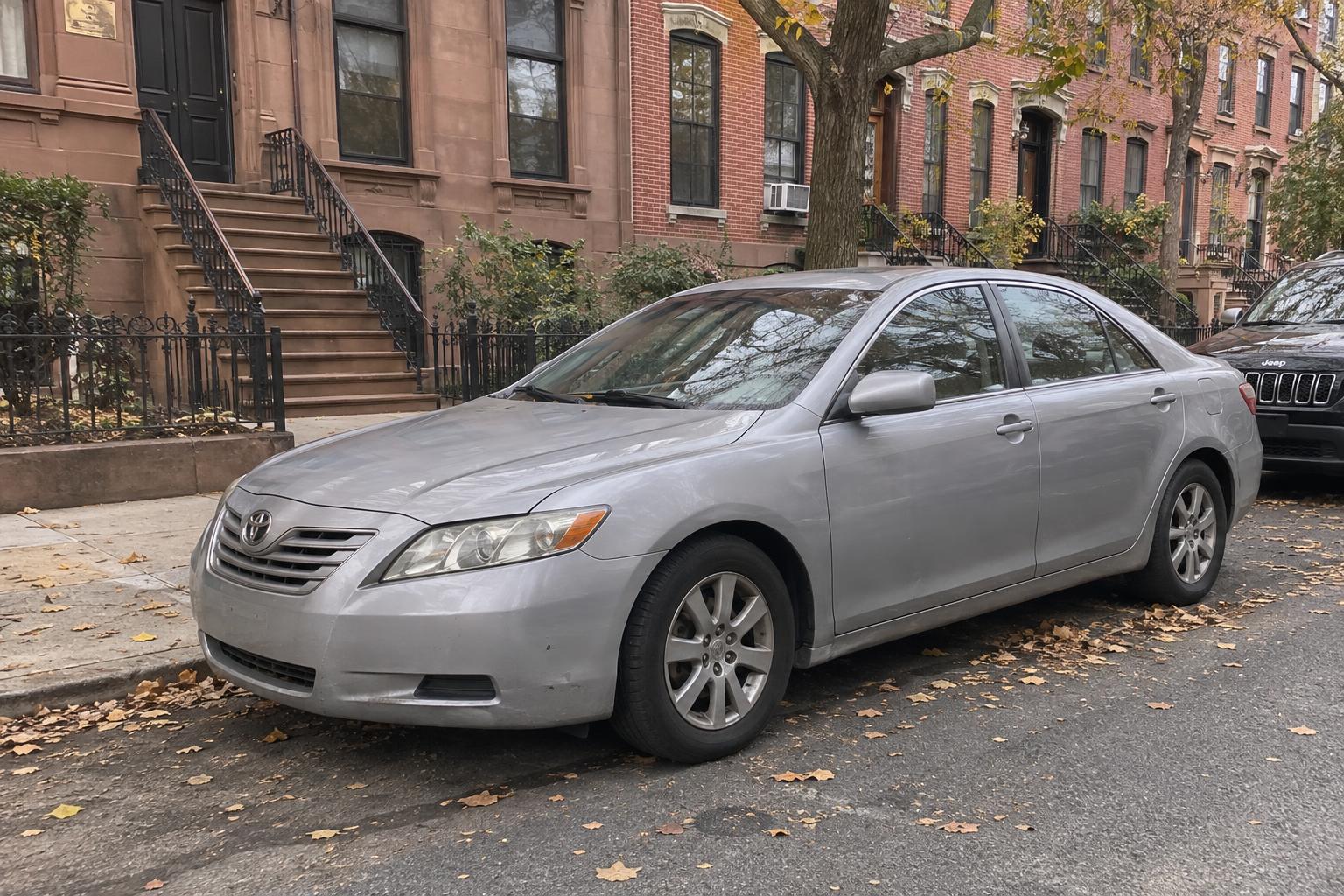
Older silver sedan in a Staten Island driveway beside detached homes and autumn trees

Not every car donation requires a qualified appraisal. If your federal deduction for a qualified vehicle is limited to its gross sale proceeds and you receive the required timely written acknowledgment, the IRS appraisal exception applies, even when the deduction exceeds $5,000. The important distinction is how your deduction is determined, not simply what an online pricing tool estimates your car is worth. See IRS Publication 526.

For your staten island car donation, we sell donated vehicles at auction or recycle them into new materials. You can start your donation with us online. Before paying for an appraisal, discuss the applicable deduction method with your tax preparer.

A price estimate is not a qualified appraisal

A used-car pricing guide can help you research fair market value, but a guide figure alone is not a qualified appraisal. The vehicle’s actual condition, mileage and equipment matter. Save photographs and notes about its condition to help organize your records.

A qualified appraisal is a signed, dated report meeting IRS content and professional standards. It identifies the property, explains the valuation method and supporting information, and documents the appraiser’s qualifications. A casual price opinion does not replace that report. IRS Publication 561 explains valuation and appraisal requirements.

Which dollar thresholds matter?

  • $500 or less: A vehicle deduction at this level does not trigger the qualified-appraisal requirement. Keep the applicable donation and valuation records.
  • More than $500 through $5,000: Complete Form 8283, Section A, and attach the required vehicle acknowledgment. A qualified appraisal generally is not required.
  • More than $5,000, limited to gross sale proceeds: The vehicle-sale exception removes the appraisal requirement. Use Section A and include the required acknowledgment.
  • More than $5,000, not limited to gross sale proceeds: A qualified appraisal and Form 8283, Section B, generally are required.

These thresholds concern your claimed deduction, not just an advertised asking price. The IRS instructions for Form 8283 explain which section applies.

When can fair market value replace sale proceeds?

Under the general vehicle rules, exceptions can apply when a charity significantly uses the vehicle, makes a material improvement, or gives or sells it substantially below fair market value to a needy individual to further its transportation-related charitable purpose. Those circumstances require specific written certifications. Simply directing sale proceeds toward charitable work does not establish the needy-individual exception.

A separate rule applies when a vehicle sells for $500 or less: an eligible donor may deduct the smaller of $500 or fair market value, with the required acknowledgment. Read A Donor’s Guide to Vehicle Donation for the vehicle-sale exceptions.

Appraisal timing and appraiser qualifications

When an appraisal is required, it must be signed and dated no earlier than 60 days before your contribution. Obtain it before the filing deadline, including extensions, for the return on which you first claim the deduction. For a deduction first claimed on an amended return, obtain it before filing that return. See the Form 8283 appraisal requirements.

Choose someone with verifiable expertise in valuing vehicles who regularly performs paid appraisals. The appraiser must have either a recognized designation for that property type or the required education plus at least two years of relevant valuation experience. IRS independence restrictions also apply: the donor and recipient charity cannot serve as the qualified appraiser. Fees cannot be a percentage of the appraised value. The appraiser must sign the required declaration on Section B. Review the qualified-appraiser rules in Publication 561 before hiring someone.

Plan your records before donating

Keep your estimates separate from your acknowledgment and any required appraisal. Ask your tax preparer which documents your intended deduction requires before filing, especially if you are considering a fair-market-value deduction above $5,000.

Ready to donate? We arrange vehicle pickup and towing at no cost to you, at a convenient time and location. Call us at 1-646-402-6102 to begin.
by TroopsReliefFund
https://troopsrelieffund.org/wp-content/uploads/2026/11/staten-island-car-donation-appraisal-zzghpa.jpg 1024 1536 TroopsReliefFund https://troopsrelieffund.org/wp-content/uploads/2017/04/logo.png TroopsReliefFund2026-11-15 17:10:352026-11-15 17:10:36Does a Staten Island Car Donation Require a Qualified Appraisal?

Form 1098-C and Form 8283: Which Car Donation Tax Forms Do What?

Brooklyn Car Donation Tips

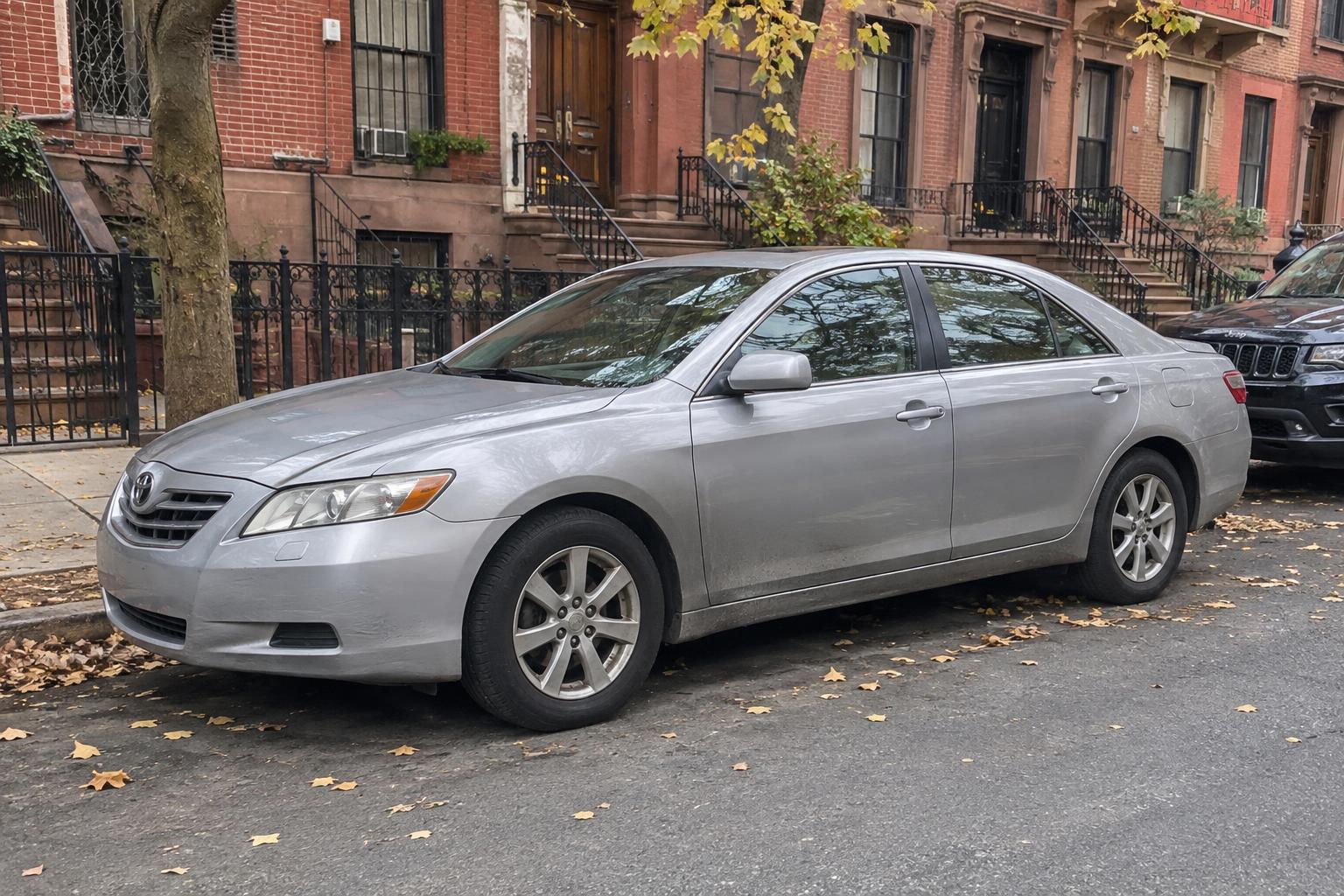
Silver sedan parked along a Brooklyn brownstone block with autumn street trees.

For your brooklyn car donation, Form 1098-C and Form 8283 serve different purposes. Form 1098-C is the charity’s vehicle-contribution information return and can provide your acknowledgment. Form 8283 is your noncash-contribution reporting form. Receiving an acknowledgment does not replace your responsibility to complete and file the required donor forms. The IRS overview of Form 1098-C and IRS overview of Form 8283 explain these separate roles.

We mail your tax receipt as soon as possible. Keep it with your donation records, and distinguish the receipt you receive from the forms and attachments your federal return requires.

Form 1098-C: the vehicle acknowledgment

A charity generally files Form 1098-C with the IRS for a qualified vehicle contribution with a claimed value of more than $500. Copy B can serve as your contemporaneous written acknowledgment. A separate written acknowledgment containing the required information can also satisfy the acknowledgment requirement.

For a vehicle sold in an arm’s-length transaction to an unrelated buyer, the acknowledgment must generally be furnished within 30 days after the sale. For specified exceptions involving charitable use, improvement or transfer to a needy individual, the deadline is generally 30 days after the contribution. Read the IRS Form 1098-C instructions for the applicable requirements.

Form 8283: your reporting responsibility

You use Form 8283 to report noncash charitable contributions. It does not calculate your deduction, and an acknowledgment does not take its place. For an individual donor, a deduction exceeding $500 generally triggers Form 8283 reporting.

The section you complete matters:

  • More than $500 through $5,000: generally complete Section A.
  • More than $5,000, with the deduction limited to vehicle-sale gross proceeds: use Section A when you have the required contemporaneous acknowledgment. A qualified appraisal is not required for this vehicle-sale exception.
  • More than $5,000, without the gross-proceeds limitation: generally complete Section B and obtain a qualified appraisal, including the required appraiser and donee signatures.

The IRS Form 8283 instructions explain these vehicle-specific exceptions. A vehicle’s estimated market value alone does not determine which section applies.

What must be attached to your return?

For a qualified vehicle deduction exceeding $500, attach Form 8283 and Copy B of Form 1098-C or an equivalent contemporaneous written acknowledgment meeting IRS requirements. Keeping the acknowledgment in a folder is not enough for this vehicle-specific attachment rule. See the vehicle-donation requirements in IRS Publication 526.

For electronic filing, arrange the acknowledgment attachment through your tax software or preparer. The Form 1098-C donor instructions explain electronic submission and the alternative of mailing the attachment with Form 8453.

How the $250 and $500 thresholds differ

A charitable contribution of $250 or more requires a contemporaneous written acknowledgment. You must obtain it by the earlier of the date you file your original return or the return’s due date, including extensions. The IRS acknowledgment requirements explain this timing.

A vehicle deduction of exactly $500 does not trigger the special rules for deductions exceeding $500. However, the $250 acknowledgment rule still applies. Form 8283 may also be necessary because of other noncash contributions. Use the applicable Publication 526 recordkeeping and reporting rules when reviewing your full return.

For an individual federal return, a vehicle contribution is a noncash gift claimed through itemized deductions. The nonitemizer charitable deduction beginning in tax year 2026 applies to eligible cash contributions, not donated cars. See IRS Topic 506.

Keep your donation records together

Consider keeping one folder with your receipt, acknowledgment, vehicle identification number, contribution date, vehicle description and copies of your completed tax forms. Before filing, ask your tax preparer to review the claimed amount, the appropriate Form 8283 section and the required attachments.

Ready to donate? Start with our Brooklyn car donation form, or call us at 1-646-402-6102. We arrange vehicle pickup at no cost to you and mail your tax receipt as soon as possible.

by TroopsReliefFund
https://troopsrelieffund.org/wp-content/uploads/2026/11/brooklyn-car-donation-tax-forms-glvzie.jpg 1024 1536 TroopsReliefFund https://troopsrelieffund.org/wp-content/uploads/2017/04/logo.png TroopsReliefFund2026-11-15 17:10:242026-11-15 17:10:25Form 1098-C and Form 8283: Which Car Donation Tax Forms Do What?

How to Check a Car Donation Charity’s Registration and Tax Status

Brooklyn Car Donation Tips

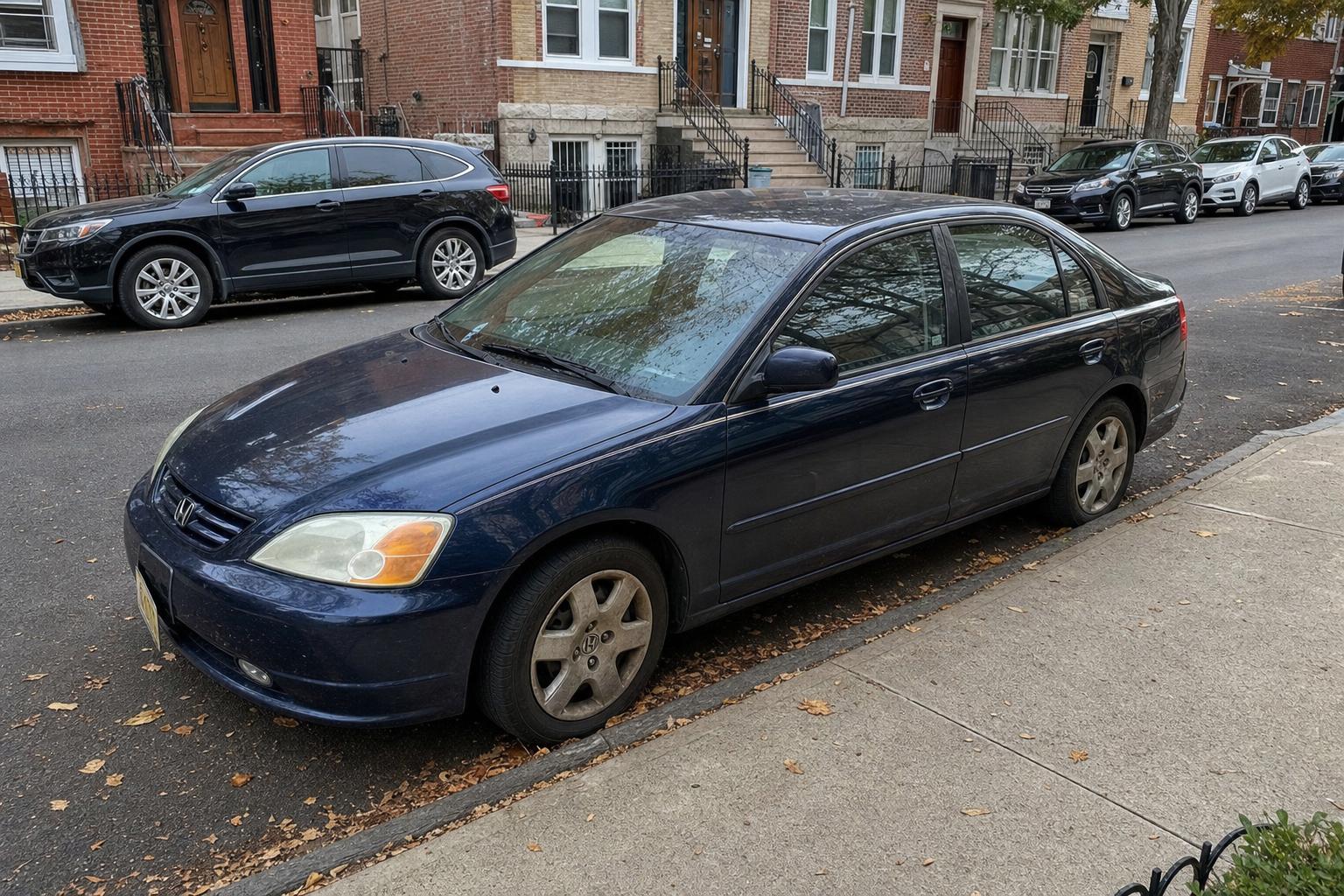
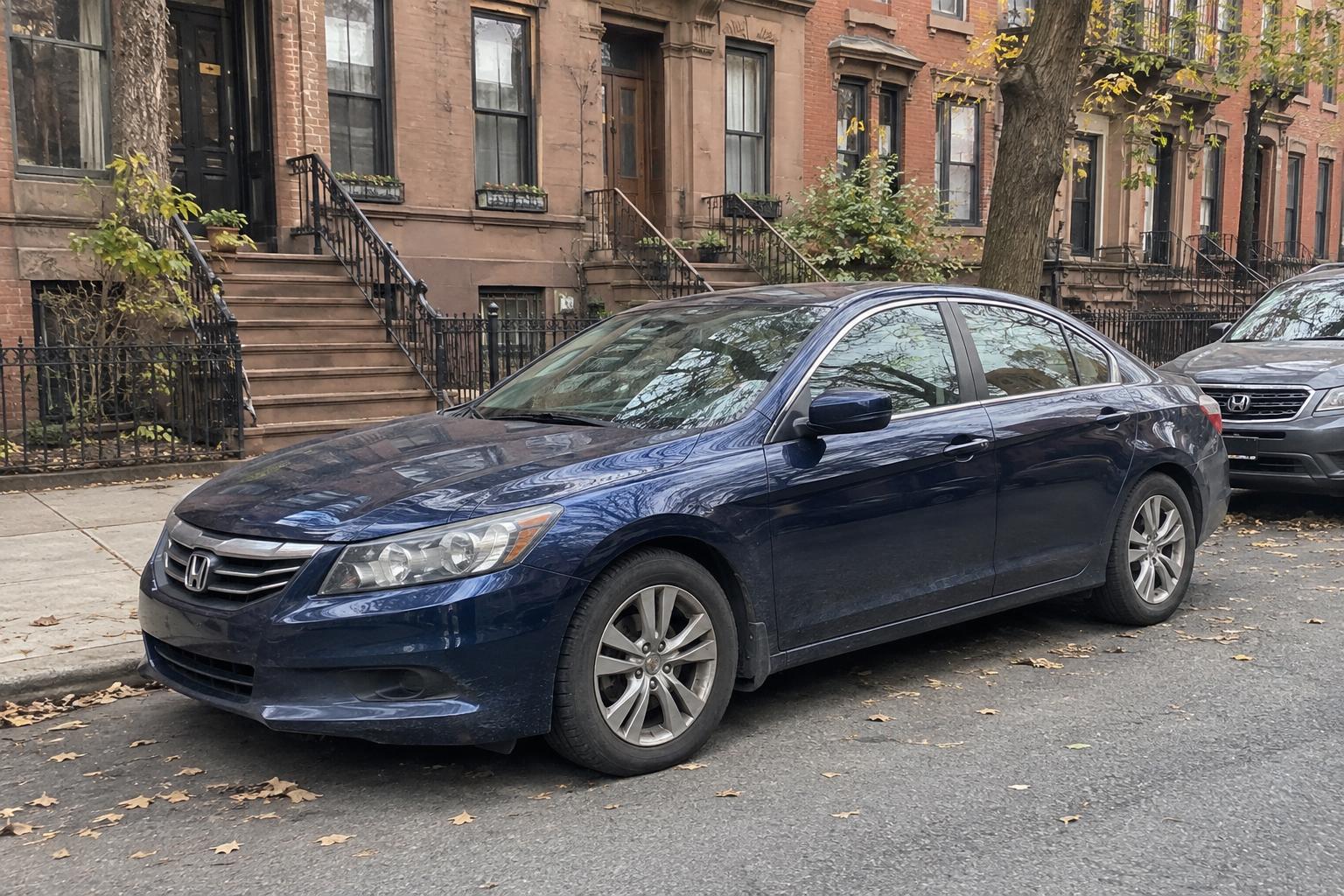
Dark blue sedan parked beside Brooklyn brownstones with stoops and autumn leaves.

Before arranging a brooklyn car donation, check two separate records: the charity’s federal eligibility to receive tax-deductible contributions and its New York charitable registration. Match the legal name and employer identification number, or EIN, throughout your search. The New York Attorney General’s vehicle-donation checklist recommends checking both registration and federal charitable status before donating.

We want you to feel comfortable asking questions before making your decision. Here is a practical way to organize those checks and resolve differences before handing over your vehicle.

Start with the legal name and EIN

Ask the organization accepting your donation for its full legal name, EIN and mailing address. If the donation program uses a different public-facing name, ask which legal entity will receive the contribution and issue the acknowledgment. Write those details together so you can compare the same organization across records.

The IRS Tax Exempt Organization Search instructions explain that Publication 78 data uses an organization’s official name, not its doing-business-as name. Searching by EIN can help you locate the intended organization when the name you recognize differs from its legal name.

Check federal eligibility through the IRS

Use IRS Tax Exempt Organization Search to check eligibility to receive tax-deductible charitable contributions through Publication 78 data. The tool also provides access to determination letters, Form 990-series filings, Form 990-N notices and automatic-revocation information.

  • Compare identity: Check the EIN, legal name and location against the details you received.
  • Read the relevant record: Distinguish a listing about contribution eligibility from an annual filing or an older letter.
  • Check dates: Note the effective dates on letters and any revocation or reinstatement records.
  • Save your results: Keep a dated copy with your donation correspondence.

An automatic-revocation entry needs further checking because an organization may subsequently have been reinstated. The IRS search guidance explains how to look for reinstatement through current eligibility data and determination letters. Read those records together rather than relying on a single historical entry.

Search New York’s Charities Bureau registry

Next, use the New York Attorney General’s charities database. It provides annual financial reports and other documents for registered organizations. Some charities, including certain religious organizations, are exempt from registration and may not appear.

Compare the legal name and EIN in available filings with your IRS results. Note the reporting period on each financial report, and consider whether the organization’s stated activities fit the charitable purpose you want to support.

Registration is not endorsement. The Attorney General expressly does not endorse organizations listed in its charities registry. State registration and federal contribution eligibility answer different questions; neither replaces your decision about whether an organization’s work matches your giving priorities.

Resolve missing or conflicting information first

If names, numbers or addresses differ, pause your donation arrangements and ask for a written explanation. Useful questions include:

  • What is the legal name and EIN of the entity receiving my vehicle donation?
  • Why does that name differ from the donation program’s name?
  • Which document explains a name or address change?
  • If a record shows revocation, where is the later reinstatement determination?

For an unresolved New York registration question, contact the Charities Bureau at 212-416-8401, the assistance number published with its registry search. If a federal record remains unclear, seek clarification from the IRS before relying on it for a donation decision.

Ask how your vehicle will support the mission

Official records are one part of choosing where to give. Ask what will happen to the vehicle and how the money will be used, questions included in the Attorney General’s vehicle-donation guidance.

We raise funds through the auction of donated vehicles and the sale of recycled automotive materials. We serve Brooklyn and Staten Island and support charities helping military personnel, veterans and their families in the New York City area. Learn more about our mission and vehicle donation program.

When you are ready to discuss your vehicle donation, call us at 1-646-402-6102. Take the time you need to review records and ask questions before deciding.

by TroopsReliefFund
https://troopsrelieffund.org/wp-content/uploads/2026/11/brooklyn-car-donation-charity-check-pwtyxl.jpg 1024 1536 TroopsReliefFund https://troopsrelieffund.org/wp-content/uploads/2017/04/logo.png TroopsReliefFund2026-11-15 17:01:202026-11-15 17:01:21How to Check a Car Donation Charity’s Registration and Tax Status

What to Do About Plates and Insurance When Donating a Car in Brooklyn

Brooklyn Car Donation Tips

Silver sedan parked beside brick rowhouses and brownstone stoops on a Brooklyn street in autumn.

When planning your brooklyn car donation, keep pickup arrangements separate from your registration and insurance decisions. We arrange pickup of your vehicle at zero cost to you. For a New York-registered car, DMV requires you to surrender your plates and registration before canceling liability insurance. Use the current NY DMV surrender instructions to plan that sequence, and speak with your insurer before choosing a cancellation date.

Coordinate pickup with us first

Tell us where your vehicle is located and when you can make it available. We arrange a convenient pickup time and location with you. Mention practical access details, such as a narrow driveway, garage entrance or limited space around the car, so you can discuss the pickup arrangements.

You can start your Brooklyn car donation online or call us at 1-646-402-6102. After an online donation request, we contact you within about 24 hours to arrange pickup.

Use that conversation to settle the vehicle handoff. Separately, make a plan for your plates, registration and insurance with DMV and your insurance company. A scheduled pickup date should not become an automatic insurance cancellation date.

Decide whether to surrender or transfer your plates

If you are replacing your car, ask DMV about transferring your registration and plates before starting a surrender transaction. New York distinguishes between surrendering plates and transferring them to a replacement vehicle. Read DMV guidance on removing and transferring plates and ask which steps apply to your situation.

If you are surrendering your plates, follow DMV’s instructions for removing the plates and windshield registration and inspection stickers. DMV offers surrender by mail or at an office and requires a Plate Surrender Application, form PD-7. Check the plate surrender methods and preparation checklist before mailing anything or making a trip.

Plan plate removal around the handoff so you have time to complete the task without rushing. If a plate is missing, ask DMV about its lost, stolen or destroyed plate procedure rather than following the ordinary two-plate surrender process.

Speak with your insurer before changing coverage

A car that is no longer being driven still needs liability coverage while it remains registered in New York. Keeping it in a driveway or garage does not remove that requirement. Review New York’s liability insurance requirements before ending coverage.

Ask your insurer these practical questions while your donation is being arranged:

  • What documentation should I send after surrendering my plates and registration?
  • What cancellation or vehicle-removal date fits the required DMV sequence?
  • If I am replacing this car, how should I coordinate coverage for the replacement?
  • If my policy covers other vehicles, what change should I request for the donated car?

Write down the answers and request written confirmation of any policy change. Keep your pickup arrangements and insurance instructions together so you can track both without confusing their purposes.

Keep the DMV receipt with your records

DMV issues a plate surrender receipt, form FS-6T. Keep it with your registration records and insurance correspondence. If you surrender by mail, check the current DMV receipt and mailing instructions, including how to follow up if the receipt does not arrive.

Before pickup, make a short checklist: vehicle access discussed, plate plan settled, DMV steps understood and insurer contacted. Afterward, retain the relevant paperwork and written insurance confirmation. These separate tasks deserve their own checkmarks.

Ready to arrange the vehicle handoff? Start your donation online or call us to discuss pickup in Brooklyn.

by TroopsReliefFund
https://troopsrelieffund.org/wp-content/uploads/2026/11/brooklyn-car-donation-plates-insurance-picsiy.jpg 1024 1536 TroopsReliefFund https://troopsrelieffund.org/wp-content/uploads/2017/04/logo.png TroopsReliefFund2026-11-15 16:53:552026-11-15 16:53:56What to Do About Plates and Insurance When Donating a Car in Brooklyn

Brooklyn Car Donation: Receipt Questions and Recordkeeping

Brooklyn Car Donation Tips

Dark blue sedan parked beside brownstone stoops on a Brooklyn residential street.

When you arrange your brooklyn car donation with us, remember to plan for the paperwork that follows. After we receive your vehicle donation, we mail you donation documentation for your annual tax records. Keep that document with your other donation records so you can find it when you need it.

A few questions during your conversation with us can help you prepare: What mailing address should we use? When should you expect the document? Who should you contact if it has not arrived? You can ask us about the mailing process when you begin your donation or arrange pickup.

What will we mail after your donation?

We mail your donation receipt after receiving your vehicle. This is a document to retain, rather than setting it aside with everyday mail. Choose a folder or another secure place for your donation records before it arrives.

If you have questions about the document you receive, call us with it nearby. Being able to refer to the wording in front of you can make it easier to explain your question clearly.

What should you ask before the mailing?

Use your donation conversation to check the practical details that matter to you. Consider keeping this short list handy:

  • Mailing address: Ask us to check the spelling of your name, street address and apartment number.
  • Expected timing: Ask when you should expect your mailed donation document.
  • Address changes: If you are moving, tell us and ask how to update your mailing details.
  • Follow-up: Ask when to call if the document has not arrived.

These questions are especially useful if your vehicle is being picked up somewhere other than your mailing address. Make that distinction clear during your conversation so the two locations are easy to identify.

Keep a simple donation record

You can make your own recordkeeping easier without creating a complicated filing system. Consider keeping the following together:

  • The mailed donation document.
  • A personal note identifying the vehicle you donated.
  • Your notes about pickup arrangements and the date the vehicle was collected.
  • Any donation-related correspondence you receive.
  • A short list of unresolved questions and notes from follow-up conversations.

For convenience, you may want to scan or photograph the mailed document and save a readable digital copy alongside your notes. Keep the original in your chosen folder. Use a descriptive file name that helps you recognize the donation without opening every file.

What if you need help after pickup?

If you are waiting for your receipt or have a question about something on it, contact us. Have your name, the donated vehicle’s basic details and your mailing address handy to help explain your question. Write down what you want to ask before calling, particularly if you have several concerns.

Ready to begin? Start your donation online, or call us at 1-646-402-6102. We can answer your donation questions and help arrange your Brooklyn vehicle pickup.

by TroopsReliefFund
https://troopsrelieffund.org/wp-content/uploads/2026/10/brooklyn-car-donation-receipt-records-vvwqod.jpg 1024 1536 TroopsReliefFund https://troopsrelieffund.org/wp-content/uploads/2017/04/logo.png TroopsReliefFund2026-10-25 16:00:002026-10-25 09:40:38Brooklyn Car Donation: Receipt Questions and Recordkeeping

A Year-End Vehicle Donation Records Checklist for Staten Island

Staten Island Car Donation Tips

Parked car on a tree-lined residential street on Staten Island

Sorting out vehicle donation records before year-end is mostly about keeping a clear, dated trail, not predicting a tax result. If you are considering a staten island car donation, gather the details you already have, note what still needs confirmation, and keep the organization’s paperwork together. Tax and legal rules can change, so verify current requirements independently with an authoritative source or qualified adviser.

Make one folder for the donation

Use a paper folder or a dedicated digital folder. Give it a simple name, such as “Vehicle donation” plus the year. Save original documents where practical, and keep scans or photos as a backup. Avoid placing sensitive personal information in a folder that is broadly shared.

  • Vehicle details: Record the year, make, model, and vehicle identification number (VIN). Check the VIN against the vehicle itself or existing ownership records.
  • Contact notes: Write down when you contacted the organization, the contact method, and any questions you asked. Keep copies of messages and any written responses.
  • Scheduling information: If a pickup is arranged, save the confirmed date, location, and any instructions you receive. Do not assume a requested time is confirmed until you have confirmation.
  • Transfer paperwork: Keep copies of documents you complete or receive. Requirements can depend on current rules and individual circumstances, so verify what applies rather than relying on a general checklist.
  • Receipt and follow-up: File the receipt when it arrives and note its date. If you are waiting for paperwork, record whom you contacted and when.

What to check with the organization

Ask what information they need from you, what documents they will provide, and how or when you should expect them. Keep the answers with your other records. Troops Relief Fund’s Staten Island vehicle donation page says that, once it has the donation, it mails a receipt. The page does not establish a personal tax outcome or replace current tax guidance.

The same page says its Staten Island program accepts cars, trucks, and motorcycles, including vehicles that are not in working condition, and that pickup is arranged with the donor. For questions about a particular vehicle or the process, contact the organization directly rather than assuming every detail is covered by a general checklist.

Before you file everything away

  1. Check that your notes identify the vehicle and relevant dates.
  2. Keep the receipt and related correspondence together.
  3. Make a backup of digital records and store it securely.
  4. Review current tax and legal requirements independently. A receipt alone does not establish whether, or how, a donation affects your taxes.

A few minutes of organization can make it easier to find documents later, especially when year-end brings other paperwork. Keep the checklist practical: save what you receive, document what you ask, and follow up on missing records. If something is unclear, confirm it with the organization or a qualified adviser instead of relying on assumptions.

by TroopsReliefFund
https://troopsrelieffund.org/wp-content/uploads/2026/10/staten-island-car-donation-records-checklist-amygyd.jpg 1024 1536 TroopsReliefFund https://troopsrelieffund.org/wp-content/uploads/2017/04/logo.png TroopsReliefFund2026-10-16 16:15:002026-10-12 10:22:44A Year-End Vehicle Donation Records Checklist for Staten Island

About Troops Relief Fund

We send overseas care packages and assist veterans with vet dogs, as well as provide support to the wounded warrior project. Donation proceedings go to Phillips Global ROTC Program for armed forces. Our focus is on the areas of Staten Island, Brooklyn, and Queens.

Learn More

Contact Us

Phone: 1-646-402-6102

Address: 400C Victory Boulevard
Staten Island, NY 10301
(Staten Island Chapter)

P.O. Box:PO Box 140580
Howard Beach, NY 11414

How It Works

Call Us! (or Click)
Speak to a professional who will walk you through our fast and easy process. (You can also click here and do everything yourself online!)
Schedule Your Pickup
We always make sure to choose a time that’s most convenient to you. You tell us where your vehicle can be picked up, and we’ll do everything else!.
Donation
Your vehicle will be sold in an auction or recycled into new materials. The proceeds from either of these sales will benefit the charities that have partnered with Troops Relief Fund.
Tax Deduction
Finally, once we have your donation, we mail you a tax-deductible receipt. Save it, and use it on next year’s taxes to claim your deduction. It’s that easy!.

© Copyright - Troops Relief Fund Web Design by NB Technologies
Scroll to top Scroll to top Scroll to top