
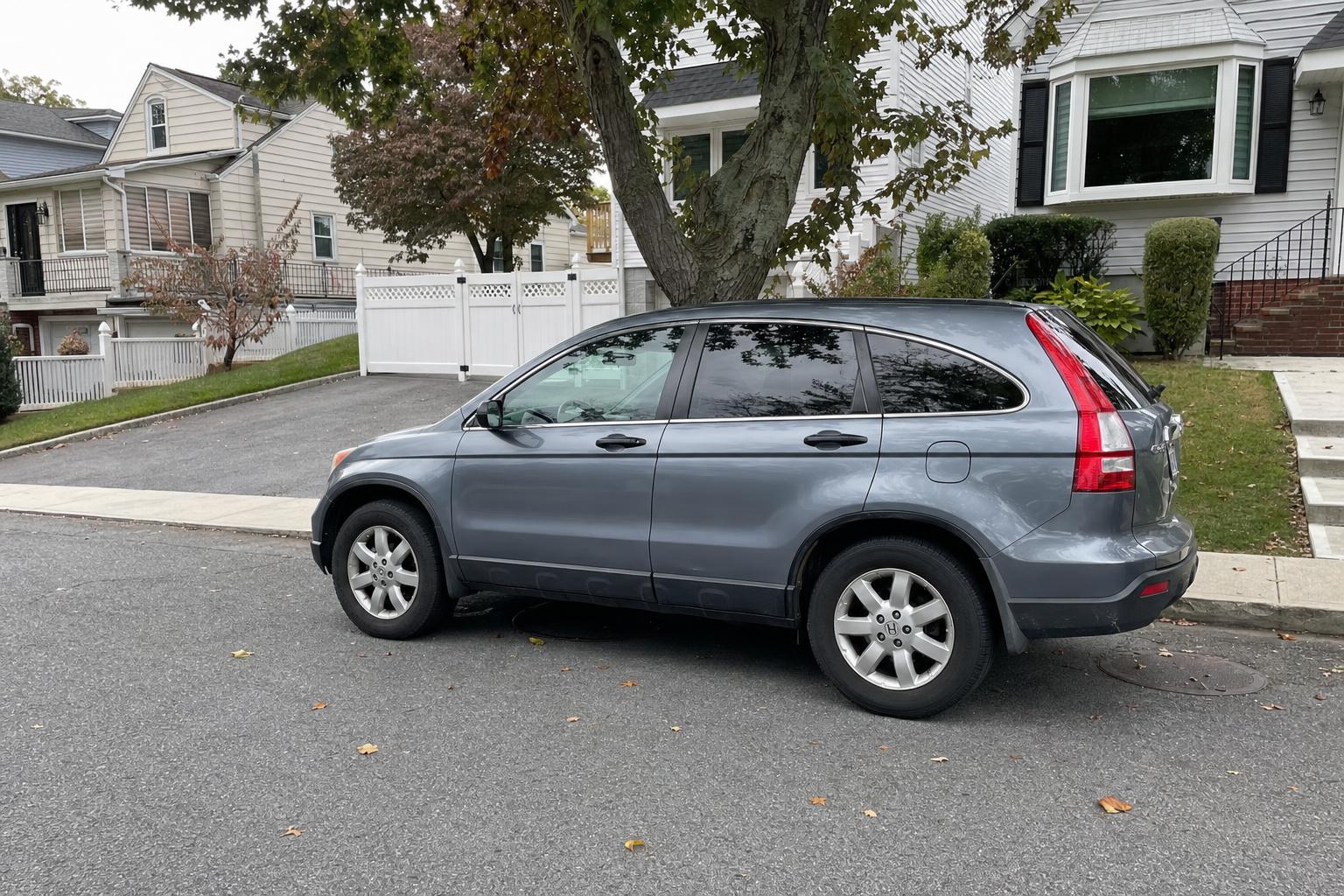
If you are considering a staten island car donation and your vehicle is an SUV, a few details can help make your first conversation more useful. Describe the vehicle accurately, explain where it is, and ask directly about eligibility and pickup logistics. Do not assume an SUV has the same acceptance details as another vehicle type.
Have the SUV details ready
Before calling or using the online form, note the basics. You do not need to guess at information you do not know; say so and ask what details are needed to continue.
- Make, model, and approximate year: These identify the vehicle and help distinguish its size and configuration.
- Condition: Say whether it starts, moves, and has any known mechanical or body issues. Mention missing parts or damage if relevant.
- Location: Give the Staten Island neighborhood or nearest cross streets, plus whether the SUV is in a driveway, garage, or curbside space.
- Access: Note anything that could affect reaching or moving it, such as a narrow approach, a blocked-in parking spot, or limited clearance. Ask whether the proposed pickup arrangement can accommodate the location.
- Timing and contact: Have a preferred pickup window in mind and a reliable way to be reached if the schedule needs discussion.
These are practical details to share, not special TRF SUV requirements. The page does not list SUV-specific acceptance terms, so confirm them rather than treating this checklist as an eligibility rule.
Questions to ask about pickup
Ask whether TRF can accept your particular SUV, including its condition, and what information or steps are needed next. Confirm the pickup address, how the vehicle should be positioned, who needs to be present, and whether you should prepare anything before the scheduled time. If the SUV cannot move under its own power, explain that clearly and ask how pickup would be handled.
TRF’s Staten Island car donation page says vehicle pickup is arranged at no cost to the donor and at a time and place that is convenient. The page describes calling to provide information and schedule pickup, or submitting the form for follow-up. Ask the staff to confirm the details for your specific vehicle and location.
Keep ownership and records questions clear
Ask what documents or ownership information you should have available and what happens after pickup. Requirements can depend on the vehicle and your circumstances, so do not rely on a general checklist as legal or tax advice. Keep copies of any records you receive, and consult a qualified tax professional for questions about reporting or any possible deduction.
TRF’s page says a preliminary tax receipt is mailed after the donation and explains that donated vehicles may be sold at auction or recycled, with proceeds benefiting its partnered charities. Those statements do not determine an individual donor’s tax treatment. For your first inquiry, the most useful approach is simple: describe the SUV honestly, share its exact location and condition, and ask what TRF can confirm before setting a pickup time.