
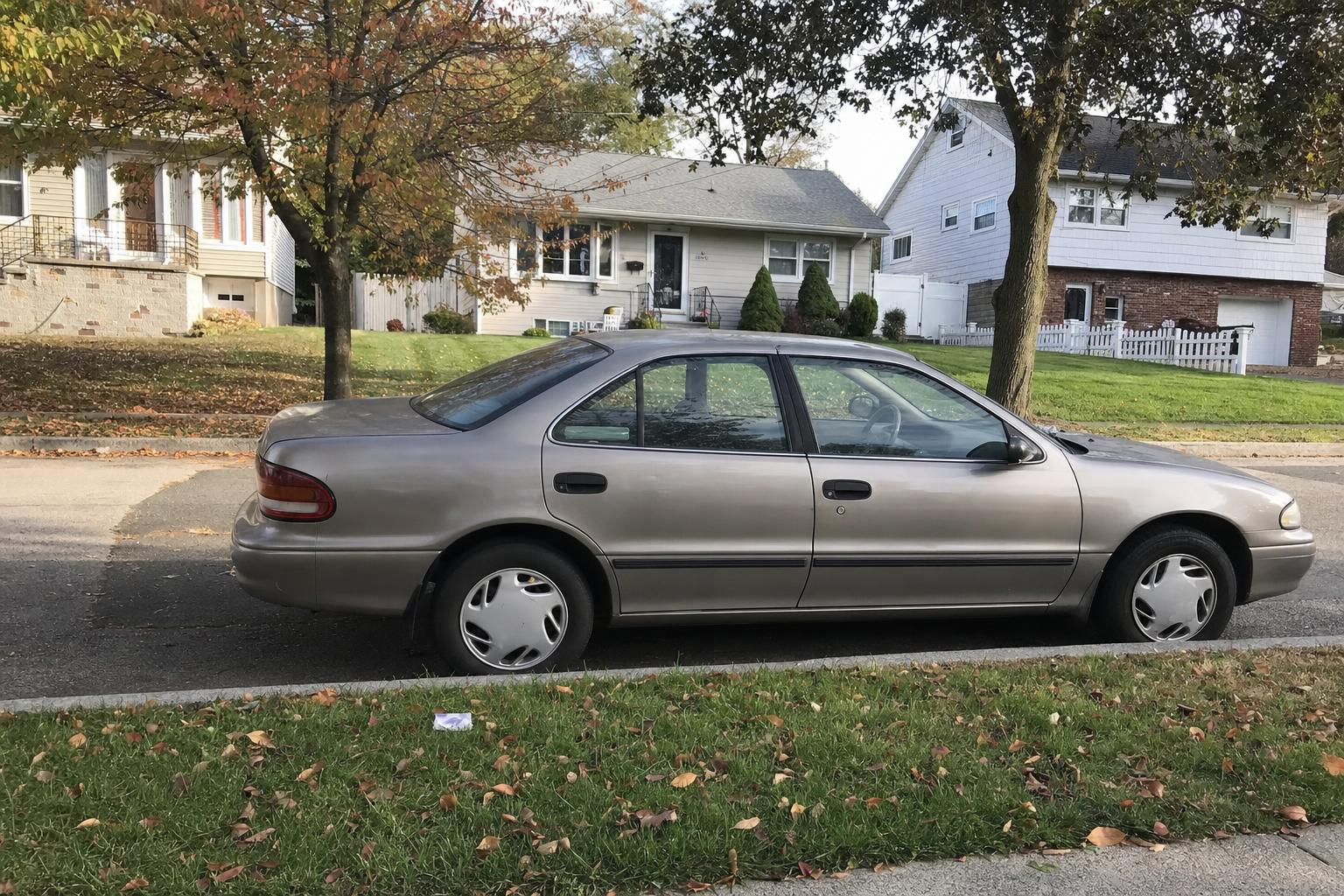
Considering a staten island car donation for a vehicle shared with family? Start with a conversation, not a pickup request. Discuss why the vehicle might be donated, when a decision could make sense, and who will contact Troops Relief Fund if the family wants more information. These are discussion steps, not statements of legal consent or ownership requirements.
Agree on the purpose first
People may value the same vehicle differently. One relative may see an unused car taking up space, while another remembers its sentimental value or expects to use it again. Before discussing logistics, ask what each person hopes to accomplish. Is the family looking to stop maintaining a vehicle no one uses, support a charitable cause, or understand its options? There is no need to rush toward an answer.
Try asking:
- How often is the vehicle being used, and by whom?
- Would anyone prefer to keep, sell, or continue using it?
- What information would help us compare donation with those alternatives?
- Is there a concern we should resolve before contacting anyone?
Talk about timing and practical details
A family can discuss a possible timeframe without committing to a date. Consider whether anyone depends on the vehicle, whether it is parked somewhere accessible, and whether the family needs time to discuss next steps. Avoid promising a pickup date or assuming how arrangements work until you have asked TRF directly.
It may help to write down questions together. The Staten Island page says TRF accepts cars, trucks, and motorcycles, including vehicles that are not in working condition. It also says staff can answer questions. The page describes pickup arrangements at a time and place convenient to the donor, but your family can confirm details for its situation.
Choose one point of contact
If the family decides to ask for information, agree on who will make the initial inquiry and how they will share the response. A point person can keep notes, relay answers, and bring unresolved questions back to the group. Choosing someone to call is a practical communication step. It does not establish who is authorized to make decisions or complete paperwork.
TRF’s page invites people to call about Staten Island vehicle donation and says its staff is ready to answer questions. Review the page together before deciding what to ask. For ownership, legal, or tax questions, seek appropriate guidance rather than assuming a donation process answers them.
Make the decision together
After gathering information, revisit the purpose, timing, and remaining concerns. If relatives disagree, pause and identify what information or discussion might help. A considered decision can be more useful than a rushed one. The first conversation need not settle every detail; it can help the family understand the choice and know what to ask next.